
Views: 223 Author: ANEBON Publish Time: 2025-11-03 Origin: Site


Content Menu
>> The Evolution of Machining Techniques
>>> Remote Monitoring and Control
>> Integration with Industry 4.0
>>> Sustainability Considerations
● Frequently Asked and Questions regarding CNC Machining
>> 1. How does CNC machining handle different materials compared to traditional methods?
>> 2. What are the typical maintenance requirements for CNC machines?
>> 3. In what ways can CNC machining improve supply chain management for manufacturers?
>> 4. What are the common challenges faced when transitioning from traditional to CNC machining?
>> 5. How does AI integration enhance CNC machining capabilities?
CNC machining has revolutionized the manufacturing industry, offering a level of precision and efficiency that traditional machining methods simply cannot match. As a leading CNC online processing service provider, ANEBON understands the importance of these advancements. This article explores the numerous advantages of CNC machining over traditional methods, highlighting its impact on production quality, efficiency, and cost-effectiveness.
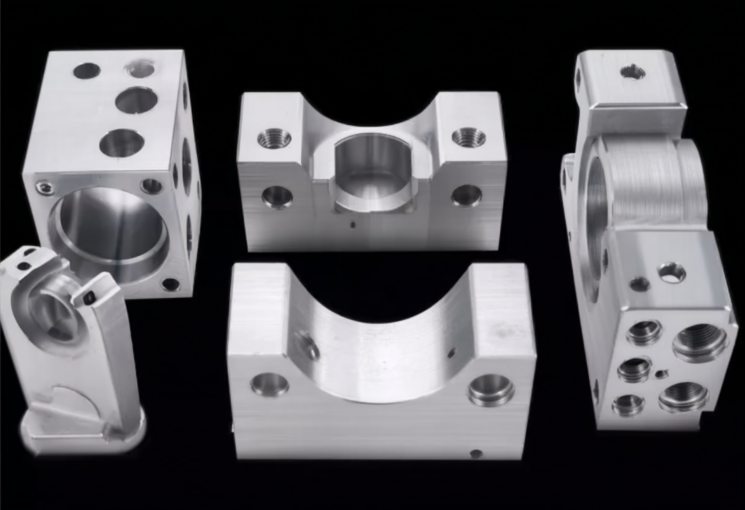
CNC, or Computer Numerical Control, machining refers to the automated control of machining tools through a computer. This technology allows for the precise and consistent production of parts and components across various industries. Unlike traditional machining, which relies heavily on manual operation, CNC machining utilizes computer programs to dictate the movements of tools and machinery. This shift from manual to automated processes has not only improved the speed of production but has also enhanced the ability to create complex designs that were previously unattainable.
Traditional machining methods, such as manual milling and turning, have been the backbone of manufacturing for centuries. These techniques involve human operators manually controlling the machines, which can lead to variations in quality and efficiency. With the advent of CNC technology, manufacturers have been able to streamline their processes, reduce human error, and enhance overall productivity. The transition to CNC machining represents a significant leap forward, allowing for the integration of advanced software and hardware that can adapt to various manufacturing needs, thus paving the way for more innovative production techniques.
One of the most significant advantages of CNC machining is its unparalleled precision. CNC machines can produce parts with tolerances as tight as a few microns. This level of accuracy is crucial in industries such as aerospace, automotive, and medical, where even the slightest deviation can lead to catastrophic failures. The ability to maintain such high precision consistently over time means that manufacturers can trust the quality of their products, leading to increased customer satisfaction and reduced returns.
CNC machining ensures that every part produced is identical, maintaining uniformity across large production runs. This consistency is vital for manufacturers who require high-quality components that fit together perfectly. Traditional machining methods, on the other hand, can result in variations due to human error or machine calibration issues. The reliability of CNC machining not only enhances product quality but also simplifies the assembly process, as parts manufactured with CNC technology are designed to fit together seamlessly, reducing the likelihood of assembly errors.
CNC machining significantly reduces production time compared to traditional methods. Once a CNC program is created, the machine can operate continuously, producing parts at a much faster rate. This efficiency is particularly beneficial for large-scale production, where time savings can translate into substantial cost reductions. The ability to run machines unattended during off-hours further maximizes productivity, allowing manufacturers to meet tight deadlines and respond quickly to market demands.
In traditional CNC machining, changing from one job to another often requires extensive setup time, including tool changes and recalibrations. CNC machines can be reprogrammed quickly, allowing for rapid transitions between different tasks. This flexibility enables manufacturers to respond swiftly to changing market demands. Additionally, the reduced setup times contribute to lower overall production costs, as manufacturers can take on smaller, more varied orders without incurring significant downtime.
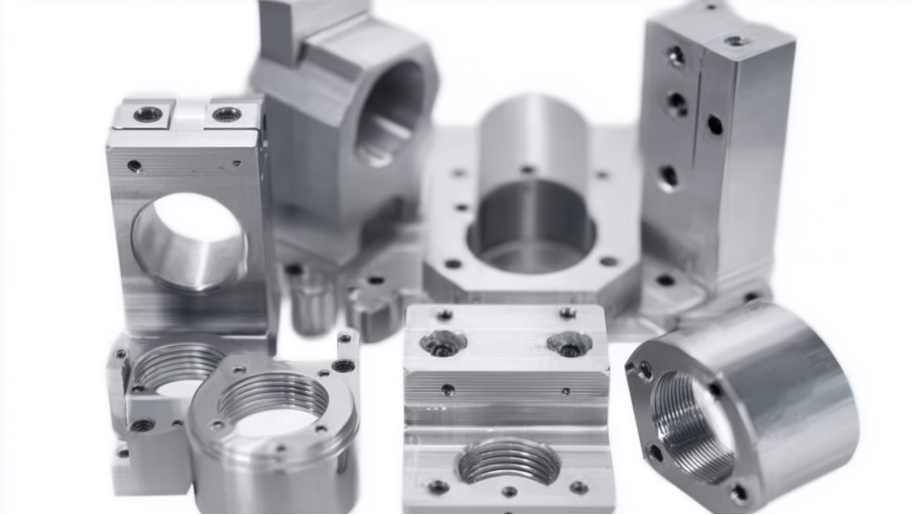
While the initial investment in CNC machinery can be high, the long-term savings are significant. The efficiency and precision of CNC machining lead to reduced material waste and lower labor costs. Additionally, the ability to produce high-quality parts consistently minimizes the need for rework and scrap, further enhancing cost-effectiveness. Over time, the return on investment for CNC machinery can be substantial, making it a financially sound choice for manufacturers looking to improve their operations.
CNC machining requires fewer operators than traditional methods, as the machines can run autonomously. This reduction in labor needs not only cuts costs but also allows skilled workers to focus on more complex tasks, such as programming and maintenance. By reallocating human resources to more strategic roles, companies can enhance their overall operational efficiency and foster a more skilled workforce.
CNC machining is compatible with a wide range of materials, including metals, plastics, and composites. This versatility allows manufacturers to choose the best material for their specific application without being limited by the capabilities of traditional machining methods. The ability to work with various materials also enables manufacturers to innovate and develop new products that meet evolving market needs.
CNC machines can create intricate designs and complex geometries that would be challenging or impossible to achieve with traditional machining. This capability opens up new possibilities for product design and innovation, enabling manufacturers to push the boundaries of what is possible. The flexibility of CNC machining allows for rapid prototyping and iterative design processes, which are essential in today’s fast-paced market environment.
CNC machining enhances workplace safety by reducing the need for manual intervention in potentially hazardous operations. With automated processes, the risk of accidents and injuries is significantly lowered, creating a safer working environment for employees. The integration of safety features in CNC machines, such as emergency stop buttons and protective enclosures, further contributes to a safer manufacturing environment.
Modern CNC machines often come equipped with advanced monitoring systems that allow operators to oversee multiple machines from a distance. This capability not only improves safety but also enhances efficiency, as operators can quickly address any issues that arise without being physically present at the machine. The ability to monitor machine performance in real-time also facilitates proactive maintenance, reducing the likelihood of unexpected breakdowns and downtime.
As technology continues to advance, the capabilities of CNC machining are expected to expand even further. Innovations such as artificial intelligence and machine learning are beginning to play a role in optimizing CNC processes, leading to even greater efficiencies and capabilities. These advancements will enable manufacturers to harness data analytics to improve production processes, predict maintenance needs, and enhance overall operational performance.
The rise of Industry 4.0, characterized by the integration of digital technologies into manufacturing, is set to transform CNC machining. Smart factories equipped with interconnected machines can share data in real-time, allowing for predictive maintenance and optimized production schedules. This interconnectedness not only improves efficiency but also enhances the ability to respond to market changes and customer demands swiftly.
As manufacturers increasingly focus on sustainability, CNC machining offers advantages in terms of material efficiency and waste reduction. The ability to produce parts with minimal waste aligns with the growing demand for environmentally friendly manufacturing practices. Furthermore, the energy efficiency of CNC machines contributes to lower carbon footprints, making them a more sustainable choice for manufacturers committed to reducing their environmental impact.
CNC machining represents a significant advancement over traditional machining methods, offering numerous advantages in precision, efficiency, cost-effectiveness, and safety. As a leading provider of CNC online processing services, ANEBON is committed to leveraging these benefits to meet the diverse needs of our global partners. The future of manufacturing lies in the continued evolution of CNC technology, promising even greater innovations and efficiencies in the years to come. By embracing CNC machining, CNC manufacturers can position themselves at the forefront of the industry, ready to tackle the challenges and opportunities of tomorrow.
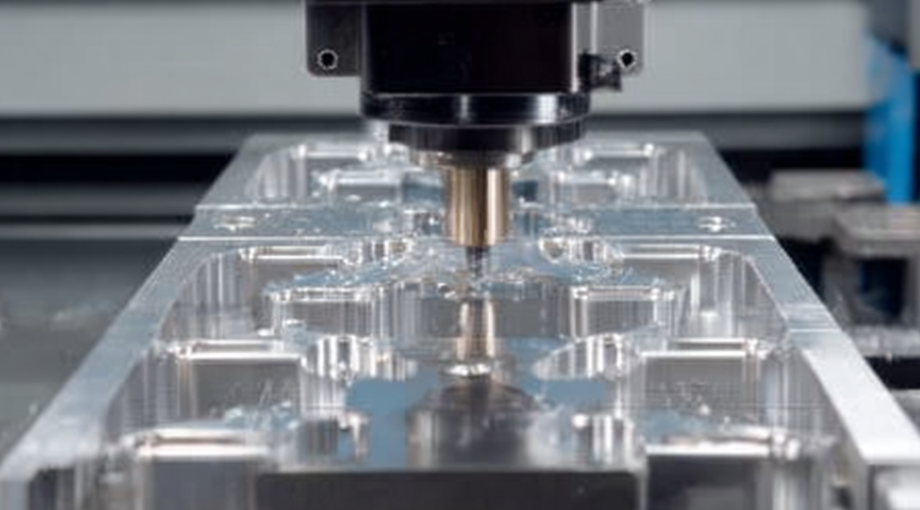
CNC machining can work with a wide variety of materials, including metals, plastics, and composites, thanks to its precise control and adaptability. Traditional methods may struggle with certain materials due to limitations in tooling and manual operation, while CNC machines can be programmed to optimize cutting parameters for each specific material, ensuring better results.
CNC machines require regular maintenance to ensure optimal performance. This includes routine checks of lubrication systems, cleaning of components, calibration of tools, and inspection of electrical systems. Scheduled maintenance helps prevent breakdowns and extends the lifespan of the machinery.
CNC machining enhances supply chain management by enabling faster production times and greater flexibility in manufacturing. With the ability to quickly reprogram machines for different tasks, manufacturers can respond to changes in demand more efficiently, reducing lead times and improving inventory management.
Common challenges include the initial investment cost for CNC equipment, the need for skilled operators who can program and maintain the machines, and potential resistance to change from employees accustomed to traditional methods. Additionally, there may be a learning curve associated with mastering CNC technology and software.
AI integration in CNC machining allows for predictive maintenance, real-time monitoring, and optimization of machining processes. By analyzing data from machine operations, AI can identify patterns and suggest adjustments to improve efficiency, reduce waste, and enhance product quality, leading to smarter manufacturing practices.


