
Views: 221 Author: ANEBON Publish Time: 2025-11-03 Origin: Site


Content Menu
>> The Role of Aluminum in Die Casting
● Benefits of Using Aluminum for Die Casting
>> Excellent Strength-to-Weight Ratio
● Applications of Aluminum Die Casting
● Frequently Asked and Questions regarding Aluminum for Die Casting
>> 1. What are the limitations of using aluminum in die casting?
>> 2. How does aluminum die casting compare to other die casting materials like zinc or magnesium?
>> 3. What are the latest advancements in aluminum die casting technology and processes?
>> 4. What industries benefit the most from aluminum die casting?
>> 5. How does the recycling process for aluminum impact its use in die casting?
Aluminum die casting is a manufacturing process that has gained significant popularity in various industries due to its numerous advantages. This article explores the benefits of using aluminum for die casting, highlighting its properties, applications, and the reasons why it is a preferred choice for manufacturers worldwide.
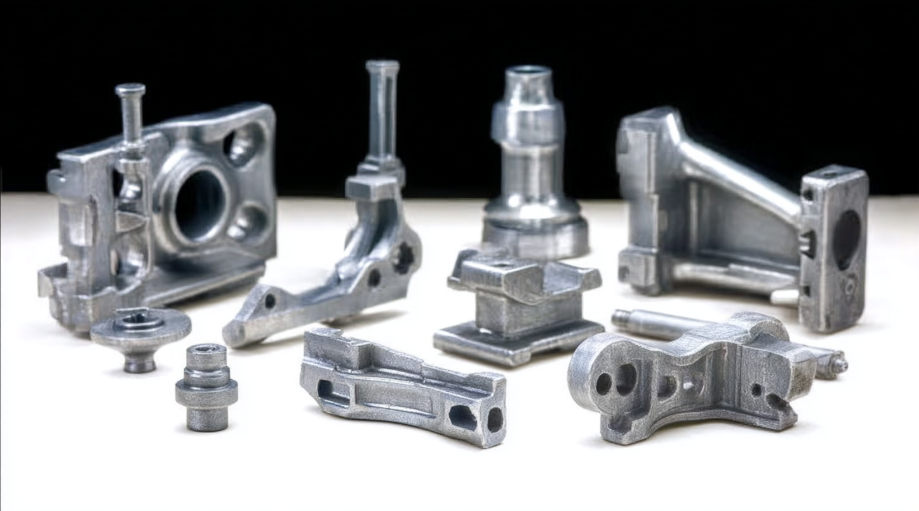
Die casting is a metal casting process that involves forcing molten metal under high pressure into a mold cavity. The molds, known as dies, are made from steel and are designed to produce complex shapes with high precision. The die casting process is widely used for producing parts in large volumes, making it an efficient manufacturing method. The process can be categorized into two main types: hot chamber and cold chamber die casting, each suited for different materials and applications. Hot chamber die casting is typically used for metals with low melting points, while cold chamber die casting is preferred for materials like aluminum, which require a different approach due to their higher melting temperatures.
Aluminum is one of the most commonly used materials in die casting. Its unique properties make it an ideal choice for various applications. The lightweight nature of aluminum, combined with its excellent strength-to-weight ratio, allows manufacturers to create durable and lightweight components. Additionally, aluminum's ability to be easily alloyed with other metals enhances its properties, making it suitable for a wide range of applications. The versatility of aluminum alloys means that manufacturers can tailor the material properties to meet specific performance requirements, further expanding its usability in die casting.
One of the most significant advantages of aluminum is its lightweight nature. Aluminum is approximately one-third the weight of steel, making it an excellent choice for applications where weight reduction is crucial. This characteristic is particularly beneficial in industries such as automotive and aerospace, where reducing weight can lead to improved fuel efficiency and performance. The lightweight nature of aluminum also allows for easier handling and transportation of components, reducing logistical costs and improving overall efficiency in the supply chain.
Aluminum offers a remarkable strength-to-weight ratio, which means that it can withstand significant stress while remaining lightweight. This property allows manufacturers to design components that are both strong and lightweight, making aluminum die casting an ideal choice for structural applications. The high strength of aluminum alloys enables the production of parts that can endure harsh operating conditions, ensuring reliability and longevity. This strength-to-weight advantage is particularly important in applications where performance and safety are paramount, such as in aerospace and automotive components.
Aluminum naturally forms a protective oxide layer when exposed to air, which helps prevent corrosion. This corrosion resistance is particularly advantageous for components that will be used in harsh environments or exposed to moisture. The longevity of aluminum die-cast parts reduces the need for frequent replacements, leading to cost savings over time. Furthermore, the ability to apply additional surface treatments, such as anodizing or powder coating, can enhance the corrosion resistance of aluminum components, making them suitable for even more demanding applications.
Aluminum has excellent thermal conductivity, which allows it to dissipate heat quickly. This property is essential in applications where heat management is critical, such as in electronic housings and automotive components. The ability to manage heat effectively can enhance the performance and reliability of the final product. In electronic applications, for instance, aluminum die-cast housings can help prevent overheating, thereby extending the lifespan of sensitive components. This thermal efficiency also contributes to the overall performance of automotive engines, where effective heat dissipation is crucial for optimal operation.
Aluminum die casting allows for intricate designs and complex geometries that may be challenging to achieve with other manufacturing methods. The fluidity of molten aluminum enables it to fill detailed molds, resulting in high-precision components. This versatility makes aluminum die casting suitable for a wide range of applications, from automotive parts to consumer electronics. The ability to produce complex shapes in a single casting reduces the need for additional machining or assembly, streamlining the manufacturing process and reducing production costs. Additionally, the design flexibility offered by aluminum die casting allows for innovative product designs that can enhance functionality and aesthetics.
While the initial cost of aluminum die casting may be higher than some other materials, the long-term benefits often outweigh these costs. The durability and lightweight nature of aluminum components can lead to reduced shipping costs, lower energy consumption, and improved overall efficiency. Additionally, the ability to produce high volumes of parts quickly makes aluminum die casting a cost-effective solution for manufacturers. The reduced need for secondary operations, such as machining or finishing, further contributes to cost savings, allowing companies to achieve a competitive edge in the market.
Aluminum is a highly recyclable material, making it an environmentally friendly choice for die casting. The recycling process for aluminum requires only a fraction of the energy needed to produce new aluminum from raw materials. This sustainability aspect is increasingly important for companies looking to reduce their environmental footprint and meet regulatory requirements. By choosing aluminum die casting, manufacturers can not only benefit from the material's properties but also contribute to a more sustainable manufacturing process. The recyclability of aluminum also supports a circular economy, where materials are reused and repurposed, minimizing waste and resource consumption.
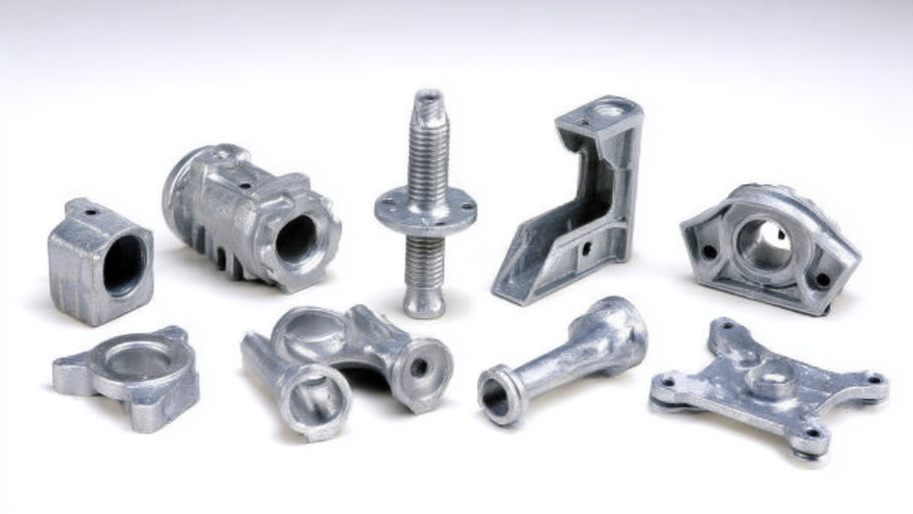
The automotive industry is one of the largest consumers of aluminum die-cast components. From engine blocks to transmission housings, aluminum parts contribute to weight reduction and improved fuel efficiency. The ability to produce complex shapes also allows for innovative designs that enhance vehicle performance. As the automotive industry increasingly focuses on sustainability and efficiency, aluminum die casting plays a crucial role in developing lightweight vehicles that meet stringent emissions standards. Furthermore, the use of aluminum in electric vehicles is on the rise, as manufacturers seek to optimize battery performance and overall vehicle range.
In the aerospace sector, weight reduction is critical for improving fuel efficiency and performance. Aluminum die casting is used to manufacture various components, including brackets, housings, and structural parts. The corrosion resistance of aluminum is particularly beneficial in this industry, where components are exposed to harsh environmental conditions. The aerospace industry also demands high precision and reliability, making aluminum die casting an ideal choice for producing components that must meet strict safety and performance standards. As the industry continues to innovate, aluminum die casting will remain a key technology for developing advanced aerospace solutions.
Aluminum die casting is widely used in the production of consumer electronics, such as smartphones, laptops, and tablets. The lightweight and durable nature of aluminum allows manufacturers to create sleek and robust designs that appeal to consumers. Additionally, the excellent thermal conductivity of aluminum helps manage heat in electronic devices. The aesthetic appeal of aluminum, combined with its functional properties, makes it a popular choice for high-end consumer electronics. Manufacturers can leverage aluminum die casting to create visually appealing products that also deliver superior performance and durability.
Many industrial applications benefit from aluminum die casting, including machinery components, housings, and frames. The strength and durability of aluminum make it suitable for heavy-duty applications, while its lightweight nature contributes to overall efficiency. In industrial settings, the ability to produce complex parts quickly and accurately is essential for maintaining productivity. Aluminum die casting enables manufacturers to create components that meet the rigorous demands of industrial applications, ensuring reliability and performance in challenging environments.
Aluminum die casting offers a multitude of benefits that make it a preferred choice for manufacturers across various industries. Its lightweight nature, excellent strength-to-weight ratio, corrosion resistance, and versatility in design contribute to its popularity. As industries continue to seek innovative solutions for weight reduction and efficiency, aluminum die casting will remain a vital manufacturing process. The eco-friendly aspect of aluminum further enhances its appeal, making it a sustainable choice for the future. By understanding the advantages of aluminum for die casting, manufacturers can make informed decisions that lead to improved product performance and cost savings. The ongoing advancements in aluminum die casting technology will likely open new avenues for innovation, ensuring that this manufacturing process remains at the forefront of modern production techniques.
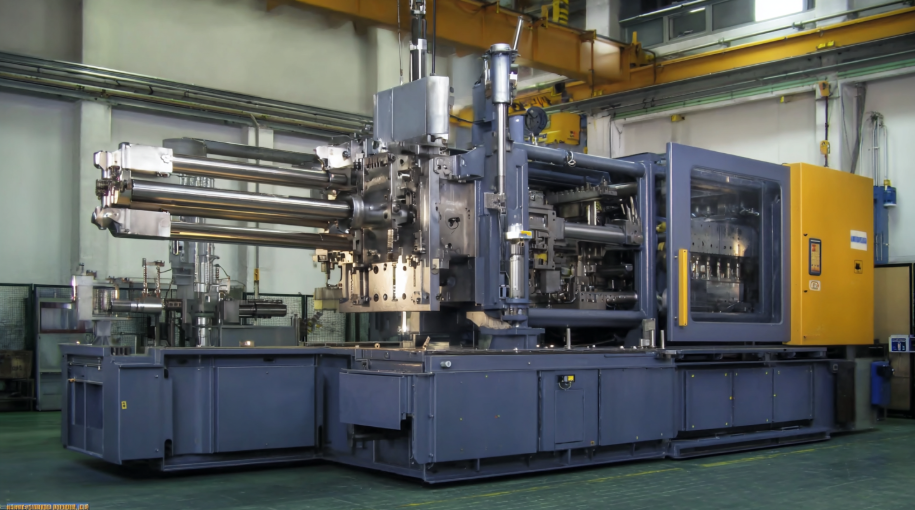
Aluminum can be more expensive than other materials like zinc or magnesium, which may limit its use in low-cost applications. Additionally, aluminum has a lower melting point, which can restrict its use in high-temperature environments. The die casting process also requires precise control of temperature and pressure, making it less forgiving than some other casting methods.
Aluminum is lighter and has a higher strength-to-weight ratio compared to zinc and magnesium. While zinc offers better dimensional stability and is often used for smaller, intricate parts, aluminum is preferred for larger components due to its strength and thermal conductivity. Magnesium is lighter than aluminum but is less corrosion-resistant and can be more expensive to process.
Recent advancements include the development of new aluminum alloys that enhance performance characteristics, such as strength and corrosion resistance. Additionally, improvements in die casting machinery and automation have increased production efficiency and precision. Techniques like 3D printing are also being integrated into the die casting process to create complex molds more quickly and cost-effectively.
The automotive and aerospace industries are the largest beneficiaries of aluminum die casting due to the need for lightweight, strong components. Other industries include consumer electronics, where aluminum is used for housings and frames, and industrial equipment, where durability and precision are critical.
Aluminum is highly recyclable, and the recycling process requires only about 5% of the energy needed to produce new aluminum from raw materials. This makes aluminum die casting an environmentally friendly option, as it reduces waste and energy consumption. The ability to recycle aluminum also supports a circular economy, making it a sustainable choice for manufacturers.


