
Views: 205 Author: ANEBON Publish Time: 2025-12-04 Origin: Site


Content Menu
● Understanding Rapid Prototyping
>> Definition of Rapid Prototyping
>> Importance of Rapid Prototyping
● Key Factors to Consider When Choosing a Rapid Prototyping Service Provider
>> Quality Assurance Processes
>> Customer Support and Communication
>> Client Portfolio and Testimonials
>> Scalability and Flexibility
● Frequently Asked and Questions regarding Rapid Prototyping Service Provider
>> 1. What are the most common rapid prototyping technologies?
>> 2. How can rapid prototyping reduce development costs?
>> 3. What materials are typically used in rapid prototyping?
>> 4. How important is customer support when selecting a rapid prototyping provider?
>> 5. What should I look for in a provider's portfolio?
In the fast-paced world of product development, rapid prototyping has become an essential process for companies looking to bring their ideas to market quickly and efficiently. As a leading Chinese CNC online manufacturing service provider with 15 years of experience, ANEBON understands the importance of selecting the right rapid prototyping service provider. This article will explore the key factors to consider when choosing a rapid prototyping service provider, ensuring that businesses can make informed decisions that align with their project needs.

Rapid prototyping refers to the process of quickly creating a scale model or prototype of a physical part or assembly using three-dimensional computer-aided design (CAD) data. This process allows designers and engineers to visualize and test their concepts before moving into full-scale production. The primary goal of rapid prototyping is to reduce the time and cost associated with product development. By utilizing various techniques such as 3D printing, CNC machining, and injection molding, rapid prototyping enables teams to iterate designs rapidly, fostering innovation and creativity in product development.
The significance of rapid prototyping lies in its ability to facilitate faster design iterations, improve product quality, and enhance collaboration among teams. By allowing for early detection of design flaws and enabling quick modifications, rapid prototyping helps companies save time and resources, ultimately leading to a more successful product launch. Moreover, it encourages a culture of experimentation, where teams can explore multiple design options without the fear of incurring excessive costs. This iterative process not only accelerates time-to-market but also enhances the overall quality of the final product, as it is refined through continuous feedback and testing.
When selecting a rapid prototyping service provider, it is crucial to consider their experience and expertise in the field. A provider with a proven track record in rapid prototyping will have the necessary skills and knowledge to handle various materials and technologies. ANEBON, for instance, has over 15 years of experience in CNC machining and rapid prototyping, making it a reliable choice for businesses seeking quality service. Experienced providers are more likely to understand the nuances of different industries and can offer tailored solutions that meet specific project requirements, ensuring that clients receive the best possible outcomes.
Different projects may require different types of prototyping services. It is essential to choose a provider that offers a comprehensive range of services, including CNC machining, 3D printing, injection molding, and more. This versatility ensures that the provider can meet the specific needs of your project. ANEBON excels in offering a wide array of services, allowing clients to select the most suitable options for their prototypes. A diverse service offering not only simplifies the procurement process for clients but also enables them to leverage the provider's expertise across various stages of product development, from initial concept to final production.
The technology and equipment used by a rapid prototyping service provider play a significant role in the quality and accuracy of the prototypes produced. Providers should utilize advanced machinery and software to ensure precision and efficiency. Companies like Stratasys and 3D Systems are known for their cutting-edge 3D printing technologies, which can significantly enhance the prototyping process. The latest advancements in technology, such as multi-material printing and high-speed sintering, allow for the creation of more complex and functional prototypes, enabling designers to test their products under real-world conditions before full-scale production.
The choice of materials is another critical factor in rapid prototyping. Different projects may require specific materials to achieve desired properties such as strength, flexibility, or heat resistance. A good service provider should offer a variety of material options, including plastics, metals, and composites. ANEBON provides a diverse selection of materials, ensuring that clients can find the right fit for their prototypes. The availability of various materials allows for greater design freedom and can significantly impact the performance and durability of the final product. Additionally, understanding the material properties can help teams make informed decisions that align with their project goals.
Quality assurance is vital in the prototyping process to ensure that the final product meets the required specifications and standards. A reliable rapid prototyping service provider should have robust quality control measures in place, including regular inspections and testing of prototypes. Companies like Protolabs are known for their stringent quality assurance processes, which help maintain high standards throughout the production cycle. Implementing comprehensive quality assurance protocols not only minimizes the risk of defects but also builds trust with clients, as they can be confident that their prototypes will perform as intended in real-world applications.
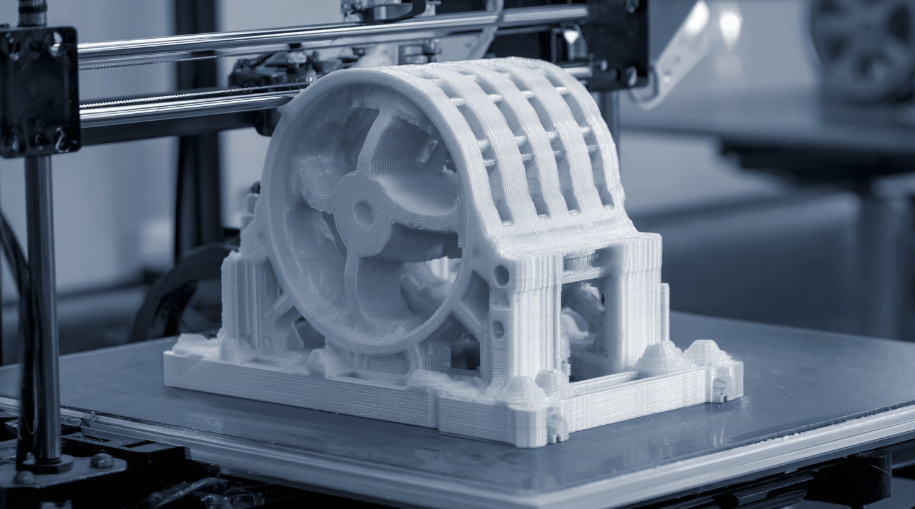
In the competitive landscape of product development, time is of the essence. The turnaround time for prototypes can significantly impact a project’s timeline. When choosing a rapid prototyping service provider, it is essential to inquire about their typical lead times and their ability to meet tight deadlines. ANEBON prides itself on its efficient processes, allowing for quick turnaround times without compromising quality. Fast turnaround times can be a game-changer for businesses, enabling them to respond swiftly to market demands and stay ahead of competitors. Providers that can deliver prototypes quickly often give their clients a significant advantage in the fast-evolving marketplace.
Effective communication and customer support are crucial when working with a rapid prototyping service provider. A provider that offers excellent customer service can help address any concerns or questions that may arise during the prototyping process. It is beneficial to choose a provider that maintains open lines of communication and provides regular updates on project progress. ANEBON emphasizes customer satisfaction and ensures that clients are informed every step of the way. Strong customer support not only enhances the client experience but also fosters long-term partnerships, as clients are more likely to return to providers that prioritize their needs and concerns.
While cost should not be the sole determining factor, it is essential to consider the pricing structure of a rapid prototyping service provider. Different providers may have varying pricing models based on the services offered, materials used, and complexity of the project. It is advisable to obtain quotes from multiple providers and compare them to find a solution that fits your budget without sacrificing quality. ANEBON offers competitive pricing while maintaining high standards of service. Understanding the cost implications of different prototyping methods and materials can help businesses make strategic decisions that align with their financial goals while still achieving high-quality results.
The location of the rapid prototyping service provider can impact shipping times and costs. Choosing a provider that is geographically closer to your business can help reduce shipping expenses and lead times. However, with advancements in logistics and shipping solutions, many companies, including ANEBON, can efficiently serve clients globally, ensuring timely delivery regardless of location. The ability to manage logistics effectively can enhance the overall efficiency of the prototyping process, allowing businesses to focus on their core competencies while relying on their provider to handle the complexities of shipping and delivery.
Reviewing a provider’s client portfolio and testimonials can provide valuable insights into their capabilities and reliability. A reputable rapid prototyping service provider should have a diverse range of clients and positive feedback from previous projects. Companies like Xometry and Fictiv showcase their client success stories, demonstrating their expertise and commitment to quality. Analyzing case studies and testimonials can help potential clients gauge the provider's experience in their specific industry, ensuring that they choose a partner that understands their unique challenges and requirements.
As projects evolve, the need for scalability and flexibility becomes increasingly important. A rapid prototyping service provider should be able to accommodate changes in project scope, whether it involves increasing production volume or adjusting design specifications. ANEBON’s ability to adapt to client needs makes it a strong contender in the rapid prototyping landscape. The capacity to scale operations up or down as needed allows businesses to respond to market fluctuations and changing project demands, ensuring that they can maintain momentum throughout the product development lifecycle.
Choosing the right rapid prototyping service provider is a critical decision that can significantly impact the success of a product development project. By considering factors such as experience, range of services, technology, material options, quality assurance, turnaround time, customer support, cost, location, client portfolio, and scalability, businesses can make informed choices that align with their specific needs. ANEBON stands out as a leading provider in the industry, offering comprehensive services and a commitment to quality that can help clients bring their ideas to life efficiently and effectively. By partnering with a reliable rapid prototyping service provider, companies can enhance their innovation capabilities and accelerate their journey from concept to market.
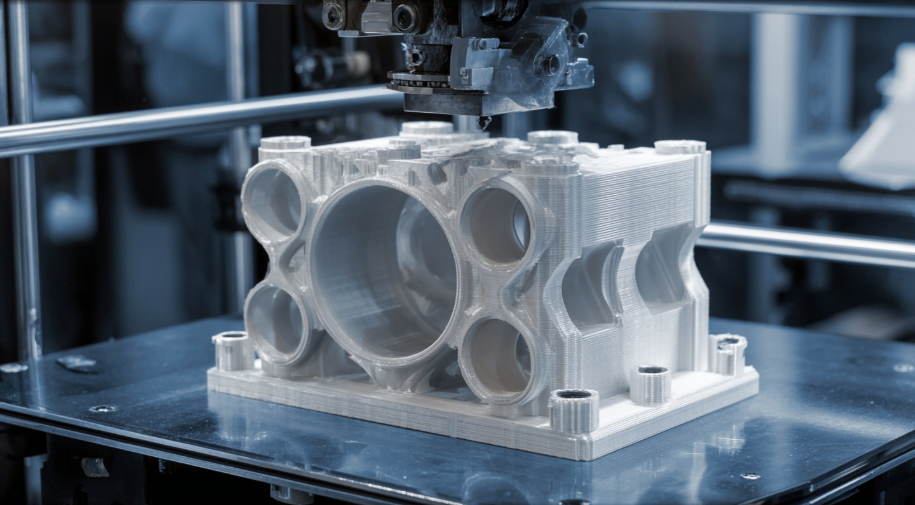
The most common rapid prototyping technologies include 3D printing (additive manufacturing), CNC machining, stereolithography (SLA), selective laser sintering (SLS), and injection molding. Each technology has its unique advantages and is suitable for different applications based on factors like material requirements, complexity, and production volume.
Rapid prototyping reduces development costs by allowing for early detection of design flaws, minimizing the need for extensive rework during later production stages. It enables quick iterations and testing of designs, which helps in refining the product before full-scale manufacturing, ultimately saving time and resources.
Common materials used in rapid prototyping include various plastics (such as ABS, PLA, and nylon), metals (like aluminum and stainless steel), and composites. The choice of material depends on the specific requirements of the prototype, including strength, flexibility, and thermal resistance.
Customer support is crucial when selecting a rapid prototyping provider, as effective communication can significantly impact the project's success. A provider that offers strong customer support can address concerns, provide updates, and ensure that the client's needs are met throughout the prototyping process.
When reviewing a provider's portfolio, look for diversity in projects, industries served, and the complexity of prototypes produced. Testimonials and case studies can also provide insights into the provider's capabilities, reliability, and the quality of their work, helping you assess whether they are a good fit for your specific needs.


