
Views: 206 Author: ANEBON Publish Time: 2025-12-16 Origin: Site


Content Menu
>>> Advantages of CNC Machining
● Comparing 3D Printing and CNC Machining for Prototyping
● Applications of 3D Printing and CNC Machining in Prototyping
● Future Trends in Prototyping
>> Automation and AI Integration
● Frequently Asked and Questions regarding 3D Printing Prototyping and CNC Machining
>> 1. What are the main differences in production speed between 3D printing and CNC machining?
>> 2. Which industries benefit the most from 3D printing for prototyping?
>> 3. How do material properties differ between parts produced by 3D printing and CNC machining?
>> 4. What are the cost implications of using 3D printing versus CNC machining for prototyping?
>> 5. Can 3D printing and CNC machining be used together in a single project?
In the rapidly evolving landscape of manufacturing, ANEBON stands out as a leading Chinese CNC online processing service provider with 15 years of experience. Specializing in a wide range of custom parts processing services, including die casting, 3D printing, sheet metal processing, CNC milling, and CNC turning, ANEBON has partnered with over 1,100 companies worldwide. This article explores the comparison between 3D printing and CNC machining for prototyping, highlighting their unique advantages, applications, and considerations.
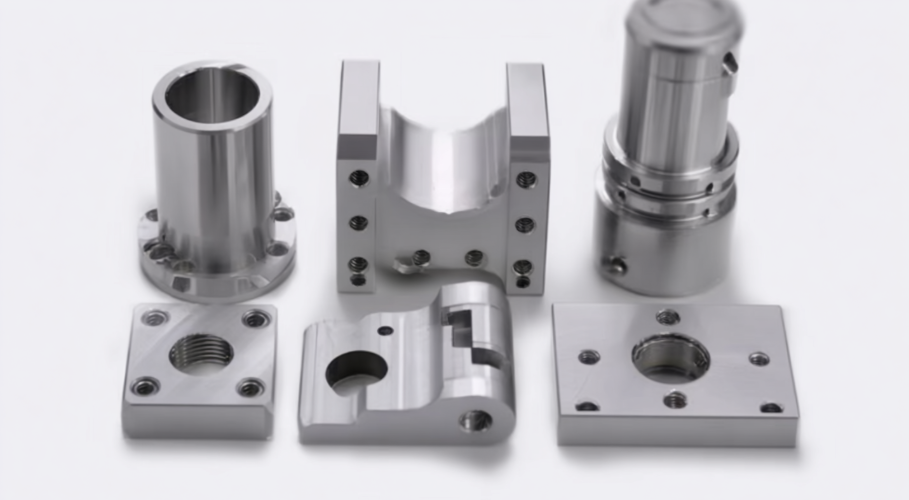
Prototyping is a crucial phase in product development, allowing designers and engineers to create tangible representations of their ideas. This process helps in testing concepts, validating designs, and identifying potential issues before full-scale production. Prototyping can take various forms, from simple sketches and models to fully functional prototypes that closely resemble the final product. Both 3D printing and CNC machining are popular methods for creating prototypes, each offering distinct benefits and challenges. The choice between these methods often depends on the specific requirements of the project, including the complexity of the design, the materials involved, and the intended use of the prototype.
3D printing, also known as additive manufacturing, involves creating objects layer by layer from a digital model. This technology has gained immense popularity due to its ability to produce complex geometries and customized designs quickly and cost-effectively. The process begins with a digital 3D model, which is sliced into thin horizontal layers. The printer then deposits material, typically plastic, resin, or metal, layer by layer until the object is complete.
One of the primary advantages of 3D printing is its design flexibility. Designers can create intricate shapes that would be impossible or prohibitively expensive to achieve with traditional manufacturing methods. This capability allows for innovative designs that can enhance product performance and functionality. Additionally, 3D printing allows for rapid prototyping, enabling companies to iterate designs quickly. This speed is particularly beneficial for startups and small businesses that need to bring products to market swiftly, as it reduces the time from concept to prototype significantly.
Another significant benefit is the reduction in material waste. Since 3D printing adds material only where needed, it minimizes excess waste compared to subtractive methods like CNC machining. This aspect not only makes 3D printing more environmentally friendly but also reduces material costs. Furthermore, the ability to produce complex geometries can lead to lighter and more efficient designs, which is particularly advantageous in industries such as aerospace and automotive, where weight reduction is critical.
CNC machining, or computer numerical control machining, is a subtractive manufacturing process that involves removing material from a solid block to create a desired shape. This method is widely used in various industries, including aerospace, automotive, and medical, due to its precision and reliability. CNC machines are programmed to follow specific paths and instructions, allowing for high levels of accuracy and repeatability in the production of parts.
CNC machining is renowned for its high accuracy and repeatability. This precision is crucial for industries where tolerances are tight, such as aerospace and medical device manufacturing. CNC machines can produce parts with intricate details and smooth finishes, making them ideal for functional prototypes. The ability to achieve tight tolerances ensures that prototypes can be tested under real-world conditions, providing valuable insights into their performance.
Another advantage of CNC machining is the variety of materials that can be used. From metals to plastics, CNC machining can work with a wide range of materials, allowing for prototypes that closely resemble the final product in terms of material properties and performance. This versatility is particularly beneficial for industries that require specific material characteristics, such as strength, durability, or heat resistance. Companies can select materials that best suit their application, ensuring that the prototype meets all necessary specifications.
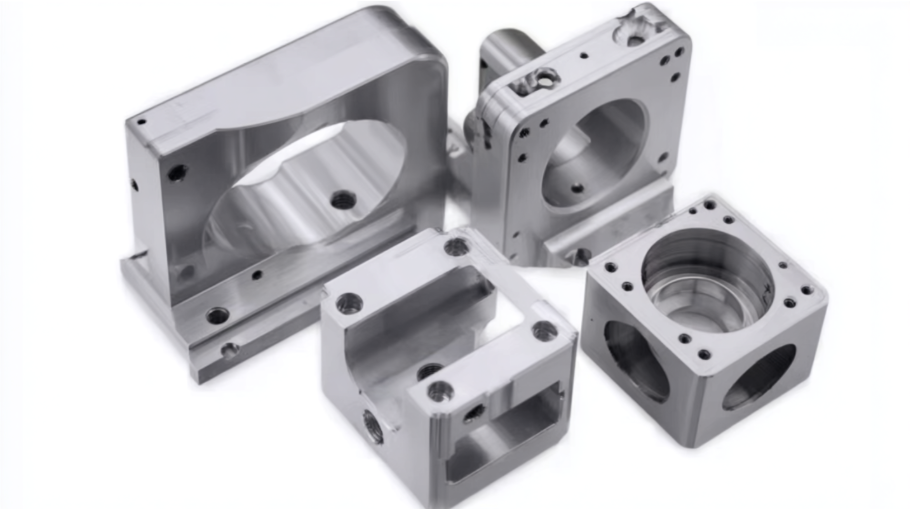
When deciding between 3D printing and CNC machining for prototyping, several factors come into play, including design complexity, material requirements, production speed, and cost. Understanding these factors can help companies make informed decisions that align with their project goals and timelines.
3D printing excels in producing complex geometries that would be challenging to achieve with CNC machining. For instance, companies like GE Aviation have utilized 3D printing to create intricate fuel nozzles for jet engines, which are lighter and more efficient than traditionally manufactured components. This capability allows for innovative designs that can enhance product performance. The freedom of design offered by 3D printing enables engineers to explore new possibilities, such as internal channels for cooling or lightweight lattice structures that reduce material usage without compromising strength.
In contrast, CNC machining is better suited for simpler designs that require high precision. For example, companies like Boeing rely on CNC machining for critical components in their aircraft, where accuracy and reliability are paramount. The ability to produce parts with tight tolerances makes CNC machining the preferred choice for many industries. While CNC machining may not offer the same level of design freedom as 3D printing, it excels in producing high-quality, functional prototypes that meet stringent industry standards.
The choice of materials can significantly impact the prototyping process. 3D printing typically uses thermoplastics, resins, and metals, depending on the technology employed. For example, companies like Stratasys offer a range of materials for 3D printing, including durable thermoplastics suitable for functional testing. The development of new materials for 3D printing continues to expand its applications, allowing for prototypes that can withstand various environmental conditions and stresses.
On the other hand, CNC machining can work with a broader array of materials, including metals, composites, and high-performance plastics. This versatility allows companies like Ford to create prototypes that closely mimic the final product's material properties, ensuring accurate testing and validation. The ability to use materials that are representative of the final product is crucial for industries where performance and safety are critical, such as automotive and aerospace.
In terms of production speed, 3D printing has the upper hand for rapid prototyping. The ability to quickly produce a prototype from a digital file allows companies to iterate designs and test concepts in a fraction of the time it would take with CNC machining. For instance, companies like Adidas have leveraged 3D printing to rapidly prototype shoe designs, enabling them to respond quickly to market trends. This speed is particularly advantageous in fast-paced industries where time-to-market can significantly impact competitiveness.
However, for larger production runs, CNC machining may be more efficient. Once a CNC machine is set up, it can produce multiple identical parts quickly and consistently. This efficiency is particularly beneficial for companies like Apple, which require high volumes of precise components for their products. The initial setup time for CNC machining can be offset by the speed of production, making it a viable option for companies looking to produce large quantities of prototypes or final products.
Cost is a critical factor in the decision-making process for prototyping. 3D printing can be more cost-effective for low-volume production and complex designs, as it eliminates the need for expensive tooling and setup costs. Companies like Formlabs have made 3D printing accessible to small businesses, allowing them to produce prototypes without significant upfront investment. This accessibility democratizes prototyping, enabling startups and smaller companies to innovate without the financial burden of traditional manufacturing methods.
Conversely, CNC machining may be more economical for larger production runs due to its efficiency and speed. However, the initial setup costs can be high, making it less suitable for one-off prototypes. Companies like Tesla often use CNC machining for their prototypes, balancing the need for precision with the volume of parts required. Understanding the cost implications of each method is essential for companies to align their prototyping strategies with their budgetary constraints.
Both 3D printing and CNC machining have found applications across various industries, each serving unique needs. The choice of method often depends on the specific requirements of the project, including the desired material properties, design complexity, and production volume.
In the aerospace industry, both methods are utilized for prototyping components. 3D printing is used for creating lightweight structures and complex geometries, while CNC machining is employed for producing critical components with tight tolerances. Companies like Boeing and Airbus have integrated both technologies into their prototyping processes to enhance efficiency and innovation. The ability to rapidly prototype and test components can lead to significant advancements in aircraft design and performance, ultimately benefiting the industry as a whole.
The automotive industry has also embraced both 3D printing and CNC machining for prototyping. 3D printing allows for rapid iteration of design concepts, enabling automotive manufacturers to explore new ideas and features without the constraints of traditional manufacturing. Companies like Ford and General Motors utilize both methods to streamline their development processes and reduce time to market. The combination of 3D printing for initial prototypes and CNC machining for final production parts allows for a more efficient and effective prototyping strategy.
In the medical field, 3D printing has revolutionized the way prototypes are developed. Custom implants and prosthetics can be created quickly and tailored to individual patients. Companies like Medtronic have leveraged 3D printing to produce patient-specific models for surgical planning. This customization enhances patient outcomes and reduces the risk of complications during surgery. CNC machining, on the other hand, is used for producing precise surgical instruments and devices, ensuring they meet regulatory standards. The ability to create both custom and standardized components is essential in the medical industry, where precision and reliability are critical.
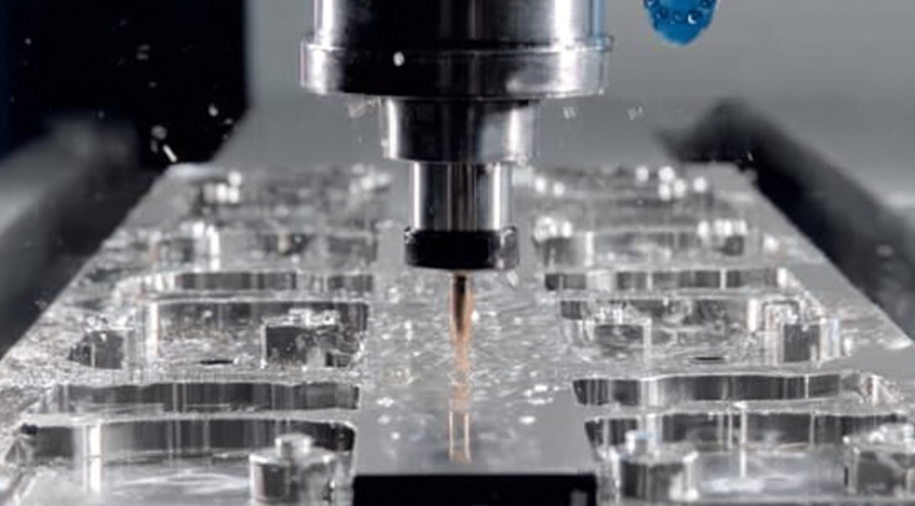
As technology continues to advance, the future of prototyping will likely see further integration of 3D printing and CNC machining. Hybrid approaches that combine the strengths of both methods are becoming more common, allowing for greater flexibility and efficiency in the prototyping process. This integration can lead to innovative solutions that enhance product development and manufacturing capabilities.
The development of new materials for both 3D printing and CNC machining will expand the possibilities for prototyping. Innovations in metal 3D printing, for example, are enabling the production of parts that were previously only achievable through CNC machining. Companies like Desktop Metal are at the forefront of this technology, pushing the boundaries of what is possible in additive manufacturing. As new materials are developed, the applications for both 3D printing and CNC machining will continue to grow, allowing for more complex and functional prototypes.
The integration of automation and artificial intelligence into both 3D printing and CNC machining processes will enhance efficiency and reduce human error. Smart manufacturing systems that can adapt to changing production needs will become increasingly important as companies strive for greater agility in their prototyping efforts. The use of AI can optimize production schedules, improve quality control, and streamline workflows, ultimately leading to faster and more efficient prototyping processes.
Both 3D printing and CNC machining offer valuable advantages for prototyping, each suited to different needs and applications. ANEBON, with its extensive experience in CNC online processing, exemplifies the importance of choosing the right method for specific project requirements. As technology continues to evolve, the integration of these methods will likely lead to more innovative and efficient prototyping solutions, enabling companies to bring their ideas to life faster and more effectively. The future of prototyping is bright, with advancements in materials, automation, and hybrid manufacturing methods paving the way for new possibilities in product development.
3D printing generally offers faster production speeds for low-volume and complex designs, allowing for rapid prototyping and quick iterations. In contrast, CNC machining is more efficient for larger production runs once the initial setup is complete, as it can produce multiple identical parts quickly and consistently.
Industries such as aerospace, automotive, and medical significantly benefit from 3D printing for prototyping. In aerospace, it allows for lightweight and complex components. In automotive, it enables rapid design iterations. In the medical field, it facilitates the creation of custom implants and surgical models tailored to individual patients.
Parts produced by CNC machining typically exhibit superior mechanical properties, such as strength and durability, due to the use of solid materials and precise machining processes. In contrast, 3D printed parts may have varying properties depending on the material used and the printing method, often resulting in lower strength and durability compared to machined parts.
3D printing can be more cost-effective for low-volume production and complex designs due to lower setup costs and reduced material waste. However, CNC machining may be more economical for larger production runs despite higher initial setup costs, as it can produce parts more quickly and consistently.
Yes, 3D printing and CNC machining can be effectively combined in a single project. This hybrid approach allows companies to leverage the strengths of both methods, using 3D printing for rapid prototyping and complex geometries, while employing CNC machining for high-precision, functional parts that require tight tolerances. This combination can enhance overall efficiency and product quality.


