
Views: 231 Author: ANEBON Publish Time: 2025-12-06 Origin: Site


Content Menu
● Understanding Aluminum Die Casting
>> Types of Aluminum Die Casting
● Advantages of Aluminum Die Casting
>> High Precision and Accuracy
>> Cost-Effective for High-Volume Production
● Applications of Aluminum Die Casting
● Frequently Asked and Questions regarding Aluminum Die Casting
>> 1. What are the common aluminum alloys used in die casting and their properties?
>> 2. How does aluminum die casting compare to other metal casting processes like sand casting?
>> 3. What are the latest advancements in aluminum die casting technology?
>> 4. What are the environmental considerations and sustainability practices in aluminum die casting?
>> 5. What industries benefit the most from aluminum die casting?
Aluminum die casting is a manufacturing process that has gained significant popularity in various industries due to its numerous advantages. ANEBON, a leading Chinese CNC online processing service provider with 15 years of experience, specializes in offering a wide range of custom parts processing services, including aluminum die casting. This article will explore the advantages and applications of aluminum die casting, highlighting its importance in modern manufacturing.
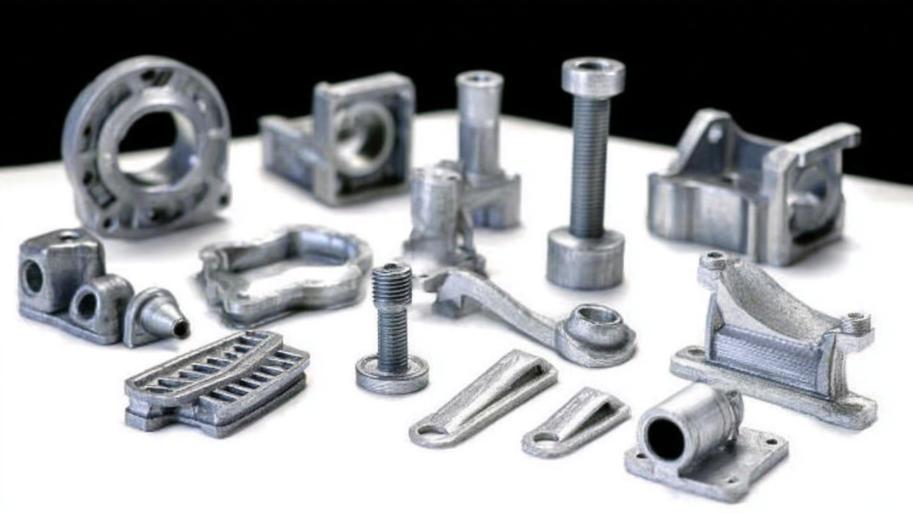
Aluminum die casting is a process that involves forcing molten aluminum into a mold cavity under high pressure. This method allows for the production of complex shapes with high dimensional accuracy and excellent surface finish. The molds used in this process are typically made from steel, which can withstand the high pressures and temperatures involved. The ability to create intricate designs makes aluminum die casting a preferred choice for manufacturers looking to produce parts that meet specific functional and aesthetic requirements.
The die casting process can be broken down into several key steps. First, the aluminum alloy is melted in a furnace, where precise temperature control is crucial to ensure the alloy's properties are maintained. Once the aluminum reaches the appropriate temperature, it is injected into the die at high speed. The pressure is maintained until the aluminum solidifies, after which the die is opened, and the finished part is ejected. This process can be repeated quickly, making it suitable for high-volume production. The efficiency of this process not only reduces lead times but also minimizes material waste, contributing to a more sustainable manufacturing approach.
There are two primary types of aluminum die casting: hot chamber and cold chamber. Hot chamber die casting is typically used for alloys with low melting points, allowing for faster production cycles. In contrast, cold chamber die casting is preferred for higher melting point alloys, which require a different approach to ensure quality. Each method has its advantages and is chosen based on the specific requirements of the project. Understanding the differences between these methods helps manufacturers select the most appropriate technique for their needs, optimizing both performance and cost.
Aluminum die casting offers several advantages that make it an attractive option for manufacturers. These benefits include:
One of the most significant advantages of aluminum die casting is its ability to produce parts with high precision and accuracy. The process allows for tight tolerances, which is essential for applications where dimensional accuracy is critical. This precision reduces the need for secondary machining operations, saving time and costs. Furthermore, the consistency achieved through die casting ensures that each part produced meets the same high standards, which is vital for industries that require reliability and uniformity in their components.
Aluminum die casting produces parts with a smooth surface finish, which often requires minimal post-processing. This characteristic is particularly beneficial for industries where aesthetics and surface quality are important, such as automotive and consumer electronics. The ability to achieve a high-quality surface finish directly impacts the final product's appearance and functionality, making aluminum die casting a preferred choice for manufacturers aiming to enhance their product's market appeal.
Aluminum is known for its lightweight properties, making it an ideal material for applications where weight reduction is essential. Despite its lightness, aluminum die cast parts exhibit excellent strength and durability, making them suitable for demanding environments. This combination of lightweight and strength is particularly advantageous in industries such as aerospace and automotive, where every gram saved can lead to significant improvements in fuel efficiency and overall performance.
The die casting process is highly efficient, especially for high-volume production runs. The ability to produce large quantities of parts quickly and with minimal waste makes aluminum die casting a cost-effective solution for manufacturers. The initial investment in tooling may be high, but the long-term savings in production costs can be substantial. Additionally, the rapid production capabilities of die casting allow companies to respond quickly to market demands, maintaining a competitive edge in their respective industries.
Aluminum die casting allows for a high degree of design flexibility. Manufacturers can create complex shapes and intricate designs that would be challenging or impossible to achieve with other manufacturing methods. This versatility enables engineers to innovate and develop new products that meet specific market needs. The ability to incorporate features such as ribs, bosses, and intricate geometries directly into the casting process reduces the need for additional assembly, streamlining production and enhancing product functionality.
Aluminum naturally forms a protective oxide layer that provides excellent corrosion resistance. This property makes aluminum die cast parts suitable for applications in harsh environments, such as marine and automotive industries, where exposure to moisture and chemicals is common. The longevity and durability of aluminum components contribute to lower maintenance costs and increased reliability, making them a smart choice for manufacturers looking to enhance the lifespan of their products.
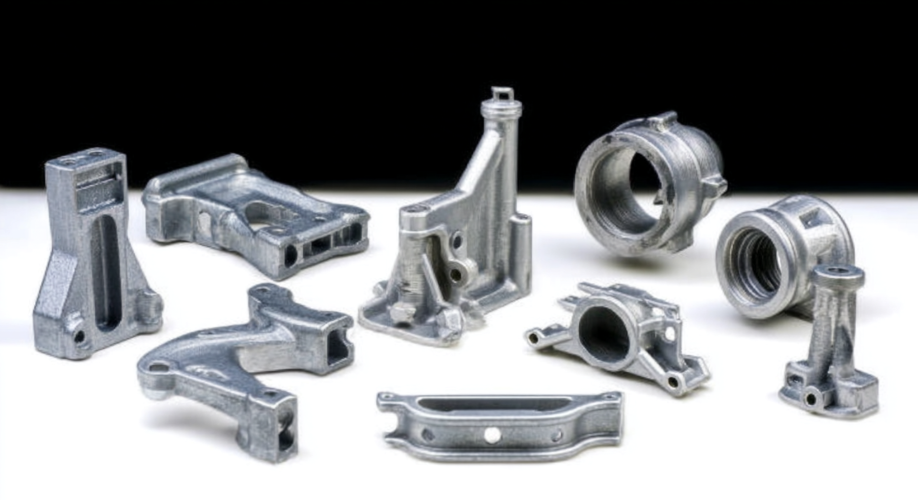
Aluminum die casting is used in a wide range of industries due to its numerous advantages. Some of the most common applications include:
The automotive industry is one of the largest consumers of aluminum die cast parts. Components such as engine blocks, transmission cases, and structural parts are often produced using this method. Companies like Ford Motor Company and General Motors utilize aluminum die casting to manufacture lightweight and fuel-efficient vehicles. The shift towards electric vehicles has further increased the demand for aluminum components, as manufacturers seek to reduce weight and improve battery efficiency.
In the aerospace sector, weight reduction is critical for improving fuel efficiency and performance. Aluminum die casting is used to produce various components, including brackets, housings, and structural parts. Boeing and Airbus are examples of companies that rely on aluminum die casting for their aircraft manufacturing processes. The stringent safety and performance standards in aerospace make aluminum die casting an ideal choice, as it ensures the production of reliable and high-quality components.
The consumer electronics industry benefits from aluminum die casting due to the need for lightweight and aesthetically pleasing components. Products such as smartphones, laptops, and tablets often feature aluminum die cast parts. Companies like Apple and Samsung utilize this technology to enhance the design and functionality of their devices. The sleek appearance and durability of aluminum components contribute to the overall user experience, making them a popular choice among consumers.
Aluminum die casting is widely used in the production of industrial equipment, including pumps, valves, and housings. The durability and corrosion resistance of aluminum make it an ideal choice for components that operate in challenging environments. Companies like Caterpillar and Siemens incorporate aluminum die cast parts in their machinery and equipment. The reliability of these components is crucial for maintaining operational efficiency and minimizing downtime in industrial applications.
In the medical field, precision and reliability are paramount. Aluminum die casting is used to manufacture components for medical devices, such as housings for diagnostic equipment and surgical instruments. Companies like Medtronic and Johnson & Johnson utilize aluminum die casting to ensure the quality and performance of their products. The stringent regulatory requirements in the medical industry necessitate the use of high-quality materials and manufacturing processes, making aluminum die casting a trusted choice.
The telecommunications industry requires components that can withstand harsh conditions while maintaining performance. Aluminum die casting is used to produce enclosures and housings for communication equipment. Companies like Cisco and Ericsson rely on aluminum die cast parts to protect their technology from environmental factors. The ability to produce lightweight yet robust components is essential for ensuring the reliability of telecommunications infrastructure.
Aluminum die casting is a versatile and efficient manufacturing process that offers numerous advantages, including high precision, excellent surface finish, and cost-effectiveness for high-volume production. Its applications span various industries, from automotive to aerospace, consumer electronics, and medical devices. ANEBON, with its extensive experience in CNC online processing services, is well-positioned to meet the growing demand for aluminum die cast parts. As industries continue to innovate and seek lightweight, durable solutions, aluminum die casting will remain a vital component of modern manufacturing. The ongoing advancements in die casting technology promise to further enhance the capabilities and applications of this essential manufacturing process, ensuring its relevance in the future.
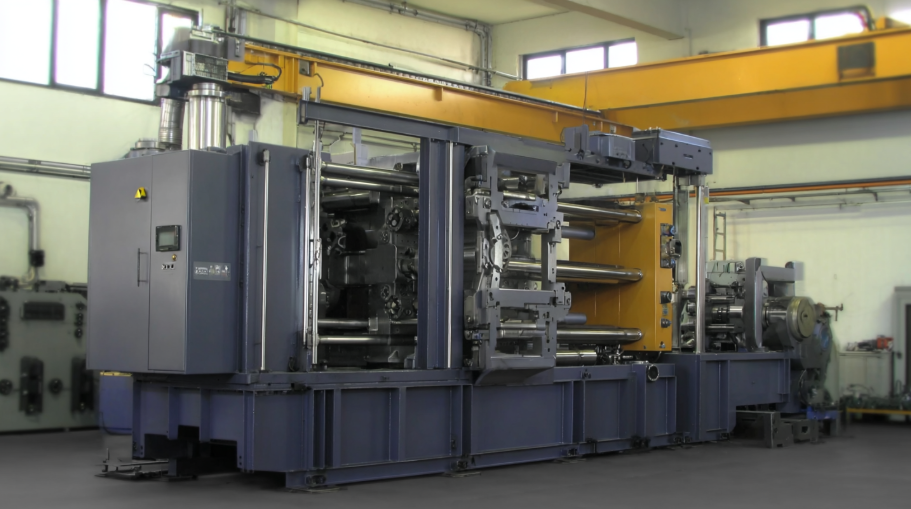
Aluminum die casting typically uses alloys such as A380, A383, and A356. Alloy A380 is known for its excellent fluidity and corrosion resistance, making it ideal for complex shapes. A383 offers good strength and is often used for automotive parts. A356 is favored for its high strength and weldability, making it suitable for structural applications.
Aluminum die casting is generally more efficient than sand casting for high-volume production due to its faster cycle times and better surface finish. Die casting produces parts with tighter tolerances and less material waste. However, sand casting is more versatile for larger parts and complex geometries, making it suitable for low-volume production runs.
Recent advancements in aluminum die casting include the development of improved die materials that enhance durability and reduce wear. Additionally, innovations in automation and robotics have streamlined the casting process, increasing efficiency and reducing labor costs. Advanced simulation software is also being used to optimize mold design and predict casting outcomes.
Aluminum die casting is considered environmentally friendly due to the recyclability of aluminum. Many manufacturers implement practices such as recycling scrap aluminum and using energy-efficient melting processes. Additionally, advancements in die casting technology aim to reduce energy consumption and minimize waste, contributing to more sustainable manufacturing practices.
Industries that benefit significantly from aluminum die casting include automotive, aerospace, consumer electronics, industrial equipment, and medical devices. Each of these sectors requires lightweight, durable, and precise components, making aluminum die casting an ideal manufacturing solution for their specific needs.


