
Views: 207 Author: ANEBON Publish Time: 2025-09-13 Origin: Site


Content Menu
>> How Does CNC Milling Work with Carbon Fiber?
● Advantages of Carbon Fiber CNC Milling Parts
>> High Precision and Tolerance
>> Cost-Effectiveness in the Long Run
● Applications of Carbon Fiber CNC Milling Parts
● Considerations When Using Carbon Fiber CNC Milling Parts
>> Tooling and Machining Techniques
● Frequently Asked and Questions regarding Carbon Fiber CNC Milling Parts
>> 1. What are the latest advancements in carbon fiber CNC milling technology?
>> 2. How does carbon fiber CNC milling compare to 3D printing with carbon fiber?
>> 3. What are the environmental considerations for carbon fiber CNC milling?
>> 4. What industries benefit the most from carbon fiber CNC milling parts?
>> 5. What are the challenges associated with machining carbon fiber?
Carbon fiber CNC milling parts have gained significant attention in various industries due to their unique properties and advantages. This article explores the benefits, applications, and considerations of using carbon fiber in CNC milling, providing a comprehensive understanding of why this material is becoming increasingly popular.
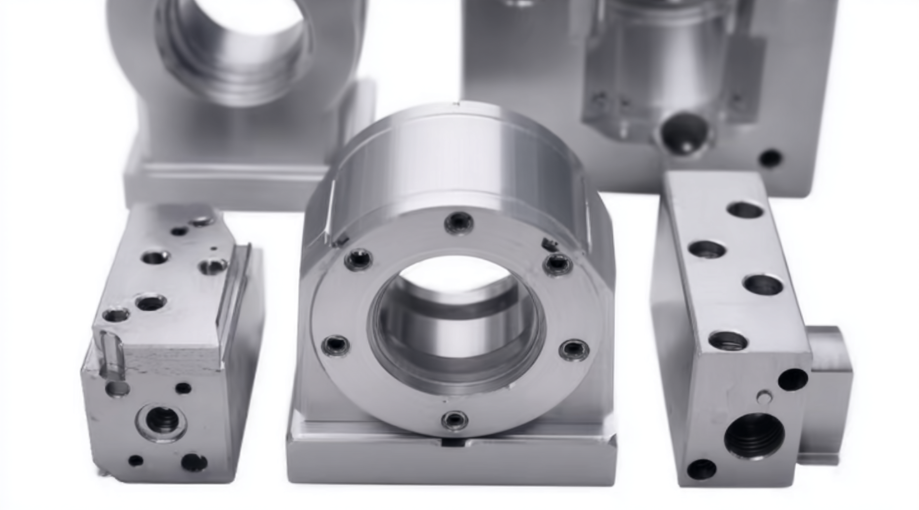
Carbon fiber is a lightweight, high-strength material made from thin strands of carbon atoms. These fibers are woven together to form a fabric, which can then be combined with a resin to create a composite material. The resulting carbon fiber composite is known for its exceptional strength-to-weight ratio, making it ideal for applications where weight reduction is crucial. The manufacturing process of carbon fiber involves heating the precursor material, typically polyacrylonitrile (PAN), to high temperatures in an inert atmosphere, which removes non-carbon elements and aligns the carbon atoms in a crystalline structure. This process not only enhances the strength of the fibers but also contributes to their stiffness and overall performance.
Carbon fiber possesses several key properties that make it an attractive choice for CNC milling parts. These include high tensile strength, low density, excellent fatigue resistance, and resistance to corrosion and chemicals. Additionally, carbon fiber has a low thermal expansion coefficient, which means it maintains its shape and dimensions under varying temperature conditions. The combination of these properties allows carbon fiber components to perform exceptionally well in demanding environments, such as aerospace and automotive applications, where both strength and weight are critical factors. Furthermore, carbon fiber's ability to dampen vibrations makes it an excellent choice for applications requiring noise reduction and improved performance.
CNC milling is a computer-controlled machining process that uses rotary cutters to remove material from a workpiece. This process allows for precise shaping and cutting of materials, making it ideal for creating complex parts with tight tolerances. CNC milling can be applied to various materials, including metals, plastics, and composites like carbon fiber. The automation of CNC milling not only increases efficiency but also reduces the likelihood of human error, ensuring consistent quality in the production of parts. The ability to program intricate designs into the CNC machine allows for rapid prototyping and production runs, making it a preferred method in modern manufacturing.
When milling carbon fiber, CNC machines utilize specialized tools designed to handle the unique properties of the material. The milling process involves feeding the carbon fiber composite into the machine, where it is cut and shaped according to the programmed specifications. The precision of CNC milling ensures that the final product meets the required dimensions and quality standards. The process also requires careful consideration of cutting speeds and feed rates to prevent delamination and damage to the fibers. Advanced CNC milling machines equipped with adaptive control systems can adjust parameters in real-time, optimizing the milling process for carbon fiber and enhancing the quality of the finished parts.
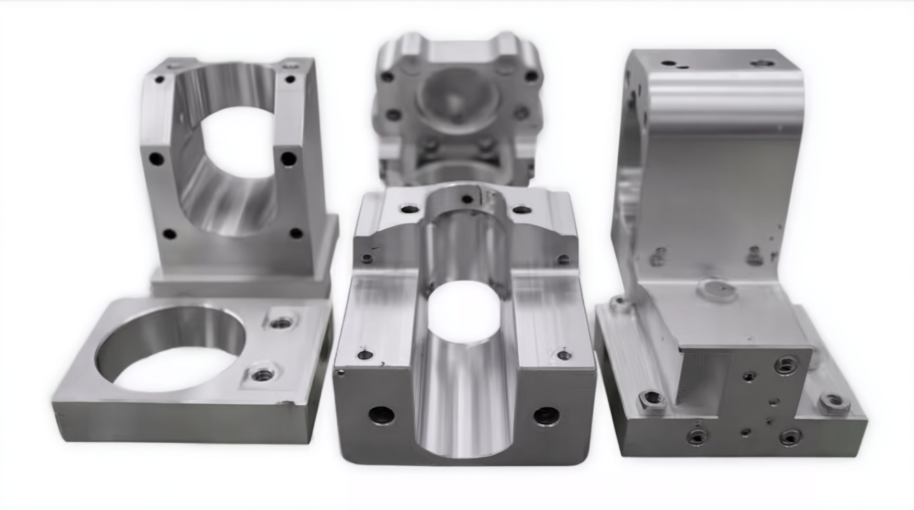
One of the most significant advantages of carbon fiber CNC milling parts is their lightweight nature. Carbon fiber is much lighter than metals like aluminum and steel, which can lead to significant weight savings in applications such as aerospace, automotive, and sporting goods. Despite its lightness, carbon fiber maintains a high level of strength, making it suitable for demanding applications. This combination of lightweight and strength allows manufacturers to design components that improve fuel efficiency and performance without compromising structural integrity. In the aerospace industry, for instance, reducing weight can lead to lower fuel consumption and increased payload capacity, making carbon fiber an invaluable material.
CNC milling allows for high precision and tight tolerances, which are essential in industries where accuracy is critical. Carbon fiber parts produced through CNC milling can achieve intricate designs and complex geometries that would be challenging to create using traditional manufacturing methods. This precision ensures that components fit together seamlessly, enhancing overall product performance. The ability to produce parts with tolerances as tight as a few microns is particularly beneficial in applications such as medical devices and aerospace components, where even minor deviations can lead to significant performance issues. The repeatability of CNC milling also ensures that each part produced is consistent, further enhancing the reliability of the final product.
Carbon fiber is known for its durability and resistance to wear and tear. CNC milling parts made from carbon fiber can withstand harsh environments, including exposure to chemicals, moisture, and extreme temperatures. This durability extends the lifespan of the components, reducing the need for frequent replacements and maintenance. In industries such as automotive and aerospace, where components are subjected to high stress and fatigue, the longevity of carbon fiber parts can lead to significant cost savings over time. Additionally, the resistance of carbon fiber to corrosion and environmental degradation makes it an ideal choice for applications in marine and chemical processing industries, where traditional materials may fail prematurely.
The versatility of carbon fiber allows for innovative designs that can be tailored to specific applications. CNC milling enables manufacturers to create custom shapes and sizes, accommodating unique requirements. This design flexibility is particularly beneficial in industries such as aerospace, where components must meet specific aerodynamic and structural criteria. The ability to rapidly prototype and iterate designs using CNC milling also accelerates the development process, allowing companies to bring products to market more quickly. Furthermore, the aesthetic appeal of carbon fiber, with its distinctive woven appearance, adds a modern touch to products, making it a popular choice in consumer goods and luxury items.
While the initial cost of carbon fiber materials and CNC milling may be higher than traditional manufacturing methods, the long-term benefits often outweigh these costs. The lightweight nature of carbon fiber can lead to fuel savings in transportation applications, while the durability of the material reduces maintenance and replacement costs. Additionally, the precision of CNC milling minimizes waste, further enhancing cost-effectiveness. Companies that invest in carbon fiber CNC milling can benefit from improved performance and reduced operational costs, making it a financially sound choice in the long run. As technology advances and production methods become more efficient, the cost of carbon fiber is expected to decrease, making it even more accessible to a wider range of industries.
In the aerospace industry, weight reduction is a critical factor in improving fuel efficiency and performance. Carbon fiber CNC milling parts are used in various applications, including aircraft components, structural elements, and interior fittings. The combination of lightweight and strong properties makes carbon fiber an ideal choice for this industry. Components such as wing structures, fuselage sections, and engine mounts benefit from the high strength-to-weight ratio of carbon fiber, contributing to overall aircraft performance. Additionally, the ability to create complex geometries through CNC milling allows for innovative designs that enhance aerodynamics and reduce drag, further improving fuel efficiency.
The automotive sector is increasingly adopting carbon fiber CNC milling parts to enhance vehicle performance and efficiency. Components such as body panels, chassis elements, and interior parts benefit from the lightweight and durable nature of carbon fiber. This shift towards carbon fiber helps manufacturers meet stringent fuel economy standards while improving overall vehicle performance. High-performance sports cars and luxury vehicles often feature carbon fiber components to reduce weight and enhance handling. Furthermore, the use of carbon fiber in electric vehicles can significantly extend battery range by reducing overall vehicle weight, making it a crucial material in the transition to sustainable transportation.
Carbon fiber is widely used in the production of sporting goods, including bicycles, golf clubs, and tennis rackets. CNC milling allows for the creation of custom designs that enhance performance and aesthetics. The lightweight nature of carbon fiber contributes to improved handling and maneuverability in sports equipment. Athletes benefit from the enhanced performance characteristics of carbon fiber products, which can lead to improved results in competitive sports. The ability to tailor designs to individual preferences also allows manufacturers to create personalized equipment that meets the specific needs of athletes, further enhancing their performance.
In the medical field, precision and reliability are paramount. Carbon fiber CNC milling parts are used in various medical devices, including surgical instruments and prosthetics. The biocompatibility and strength of carbon fiber make it suitable for applications where durability and precision are essential. Surgical instruments made from carbon fiber can be designed to be lightweight and ergonomic, reducing fatigue for surgeons during long procedures. Additionally, carbon fiber prosthetics offer a combination of strength and comfort, allowing for improved mobility and quality of life for patients. The ability to create custom-fitted devices through CNC milling further enhances the effectiveness of medical applications.
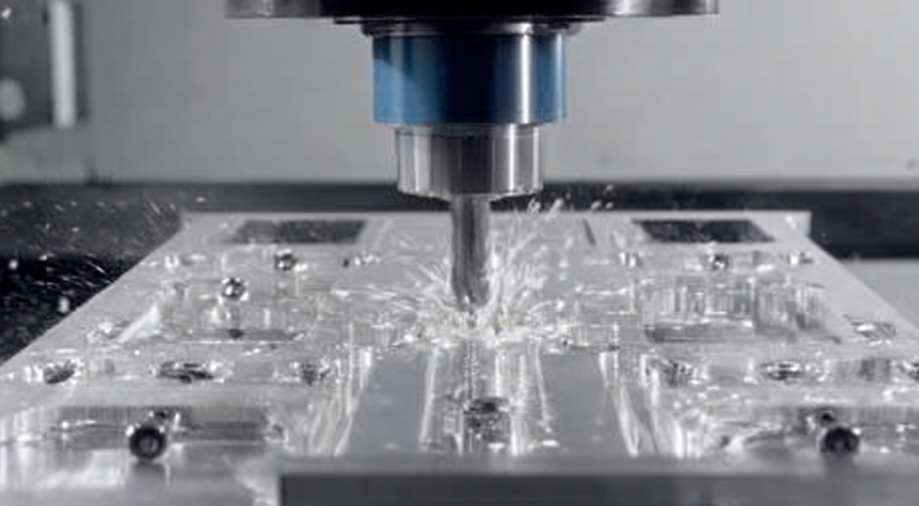
Choosing the right type of carbon fiber composite is crucial for achieving the desired performance characteristics. Different grades of carbon fiber offer varying levels of strength, stiffness, and weight. Manufacturers must carefully consider the specific requirements of their applications when selecting materials. Factors such as environmental conditions, load-bearing requirements, and aesthetic preferences all play a role in material selection. Additionally, the choice of resin used in the composite can impact the overall performance and durability of the final product, making it essential to select materials that align with the intended application.
Machining carbon fiber requires specialized tools and techniques to prevent damage to the material. The use of diamond-coated tools and appropriate feed rates can help achieve optimal results. Additionally, proper dust collection systems are essential to manage the fine particles generated during the milling process. The abrasive nature of carbon fiber can wear down standard cutting tools quickly, necessitating the use of high-quality tooling designed specifically for composite materials. Furthermore, implementing best practices in machining, such as using coolant and optimizing cutting parameters, can enhance the quality of the finished parts and extend tool life.
While carbon fiber CNC milling parts offer numerous advantages, the initial investment can be significant. Manufacturers must weigh the benefits against the costs to determine if carbon fiber is the right choice for their applications. Long-term savings in maintenance and performance should be considered when evaluating the overall cost-effectiveness. Additionally, as the demand for carbon fiber increases, economies of scale may lead to reduced material costs in the future. Companies should also consider the potential for increased market competitiveness that comes with adopting advanced materials and manufacturing techniques, as this can offset initial investment costs.
Carbon fiber CNC milling parts represent a significant advancement in manufacturing technology, offering a unique combination of lightweight, strength, and precision. As industries continue to seek innovative solutions to improve performance and efficiency, the adoption of carbon fiber is likely to grow. Understanding the advantages, applications, and considerations of carbon fiber CNC milling will enable manufacturers to make informed decisions that enhance their products and meet the demands of the market. The future of carbon fiber in CNC milling looks promising, with ongoing research and development paving the way for even more applications and improvements in manufacturing processes. As technology evolves, the potential for carbon fiber to revolutionize various industries remains vast, making it a material to watch in the coming years.
Recent advancements in carbon fiber CNC milling technology include the development of high-speed machining techniques, improved cutting tools specifically designed for carbon fiber, and enhanced software for better simulation and programming. These innovations allow for faster production times, reduced wear on tools, and improved precision in machining complex geometries.
Carbon fiber CNC milling typically offers higher precision and better surface finish compared to 3D printing. CNC milling is ideal for producing parts with tight tolerances and complex shapes. However, 3D printing allows for greater design flexibility and can be more cost-effective for low-volume production. The choice between the two methods depends on the specific requirements of the application, including volume, complexity, and budget.
The environmental considerations for carbon fiber CNC milling include the management of dust and waste generated during the machining process. Carbon fiber dust can be hazardous, requiring proper ventilation and dust collection systems. Additionally, the production of carbon fiber itself can be energy-intensive, so manufacturers are increasingly looking for sustainable sourcing and recycling options to minimize their environmental impact.
Industries that benefit significantly from carbon fiber CNC milling parts include aerospace, automotive, sporting goods, and medical devices. In aerospace, the lightweight and strong properties of carbon fiber help improve fuel efficiency. In automotive applications, carbon fiber components enhance performance and reduce weight. Sporting goods manufacturers use carbon fiber for high-performance equipment, while the medical industry relies on its precision and durability for surgical instruments and prosthetics.
Machining carbon fiber presents several challenges, including tool wear, delamination, and the generation of fine dust. The abrasive nature of carbon fiber can quickly wear down standard cutting tools, necessitating the use of specialized tooling. Delamination can occur if the machining parameters are not optimized, leading to compromised part integrity. Additionally, managing the dust produced during machining is crucial for worker safety and equipment maintenance.


