
Views: 225 Author: ANEBON Publish Time: 2025-09-30 Origin: Site


Content Menu
>> The Role of Automation in CNC Turning
● Advantages of Automated CNC Turning for Small Batches
>> Enhanced Precision and Accuracy
>> Increased Efficiency and Productivity
>> Scalability
>> Integration with Other Technologies
● Frequently Asked and Questions regarding CNC Turning for Small Batches
>> 1. How does CNC turning compare to other machining processes for small batches?
>> 4. Can CNC turning be used for materials other than metals?
>> 5. How does automation in CNC turning impact labor requirements?
CNC (Computer Numerical Control) turning has revolutionized the manufacturing industry, particularly for small batch production. This technology allows for precision machining of various materials, making it an ideal choice for businesses looking to produce small quantities of parts with high accuracy and efficiency. In this article, we will explore the numerous advantages of using automated CNC turning for small batches, highlighting its impact on productivity, cost-effectiveness, and quality.
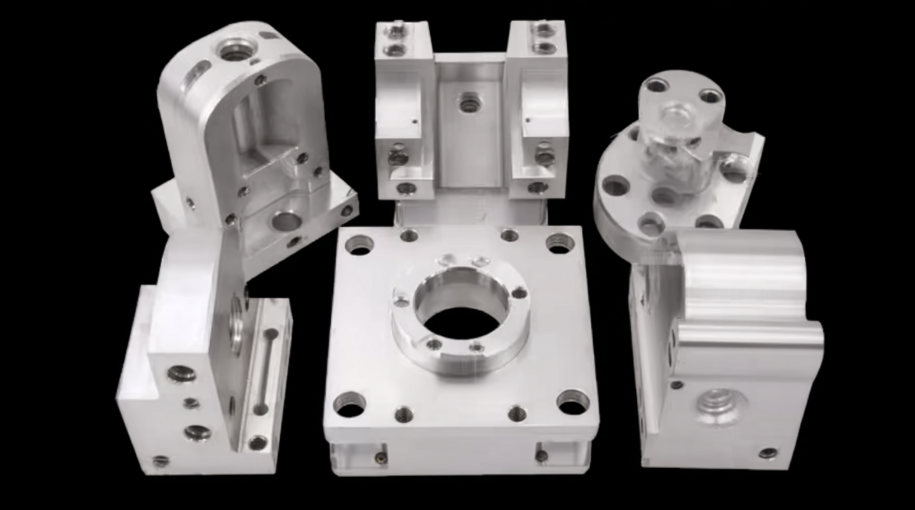
CNC turning is a manufacturing process that involves rotating a workpiece against a cutting tool to create cylindrical parts. The process is controlled by a computer, which allows for precise movements and adjustments. CNC turning machines can produce a wide range of components, from simple shapes to complex geometries, making them versatile tools in modern manufacturing. The ability to program intricate designs into the CNC system means that manufacturers can produce parts that meet specific requirements without the need for extensive manual labor. This capability is particularly beneficial in industries where customization is key, such as in the production of specialized automotive components or bespoke medical devices.
Automation in CNC turning refers to the use of computer systems to control the machinery and processes involved in manufacturing. This automation enhances the efficiency and accuracy of the turning process, reducing the need for manual intervention. Automated CNC turning systems can operate continuously, allowing for increased production rates and reduced lead times. Furthermore, automation minimizes the variability that can occur with human-operated machines, leading to more consistent output quality. As technology advances, the integration of artificial intelligence and machine learning into CNC systems is also becoming more common, enabling predictive maintenance and further optimizing production processes.
One of the primary advantages of automated CNC turning is the enhanced precision it offers. CNC machines are capable of producing parts with tolerances as tight as a few microns. This level of accuracy is crucial for industries such as aerospace, automotive, and medical, where even the slightest deviation can lead to significant issues. Automated systems ensure that each part is manufactured to the exact specifications, reducing the risk of defects and the need for rework. The precision of CNC turning also allows for the production of complex geometries that would be difficult or impossible to achieve with traditional machining methods. This capability not only improves the functionality of the parts produced but also enhances their aesthetic appeal, which can be a significant factor in consumer products.
Automated CNC turning significantly increases efficiency and productivity in small batch production. Traditional machining methods often require extensive setup times and manual adjustments, which can slow down the production process. In contrast, CNC machines can be programmed to switch between different part designs quickly, minimizing downtime. This capability allows manufacturers to respond rapidly to changing demands and produce small batches without sacrificing speed. Additionally, the ability to run CNC machines unattended for extended periods means that manufacturers can maximize their output while minimizing labor costs. This efficiency is particularly beneficial in industries where time-to-market is critical, allowing companies to launch new products faster than their competitors.
While the initial investment in CNC turning technology may be higher than traditional methods, the long-term cost savings are substantial. Automated CNC turning reduces labor costs by minimizing the need for skilled operators to oversee the machining process. Additionally, the precision of CNC machines leads to less material waste, as parts are produced with fewer errors. This efficiency translates into lower production costs, making CNC turning a cost-effective solution for small batch manufacturing. Moreover, the ability to produce high-quality parts consistently reduces the costs associated with returns and warranty claims, further enhancing the overall profitability of the operation.
CNC turning offers unparalleled flexibility in design, allowing manufacturers to create complex geometries and intricate features that would be challenging to achieve with traditional machining methods. This flexibility is particularly beneficial for small batch production, where customization is often required. Manufacturers can easily modify designs and produce unique parts tailored to specific customer needs without extensive retooling. This adaptability not only meets the diverse demands of clients but also fosters innovation, as manufacturers can experiment with new designs and materials without significant financial risk. The ability to quickly prototype and iterate designs can lead to breakthroughs in product development and market differentiation.
Automated CNC turning systems are equipped with advanced monitoring and feedback mechanisms that enhance quality control. These systems can detect deviations from the desired specifications in real-time, allowing for immediate adjustments to be made. This proactive approach to quality control ensures that each part meets the required standards, reducing the likelihood of defects and enhancing overall product quality. Furthermore, the data collected during the machining process can be analyzed to identify trends and areas for improvement, leading to continuous enhancement of manufacturing processes. This commitment to quality not only satisfies customer expectations but also builds brand reputation and loyalty.
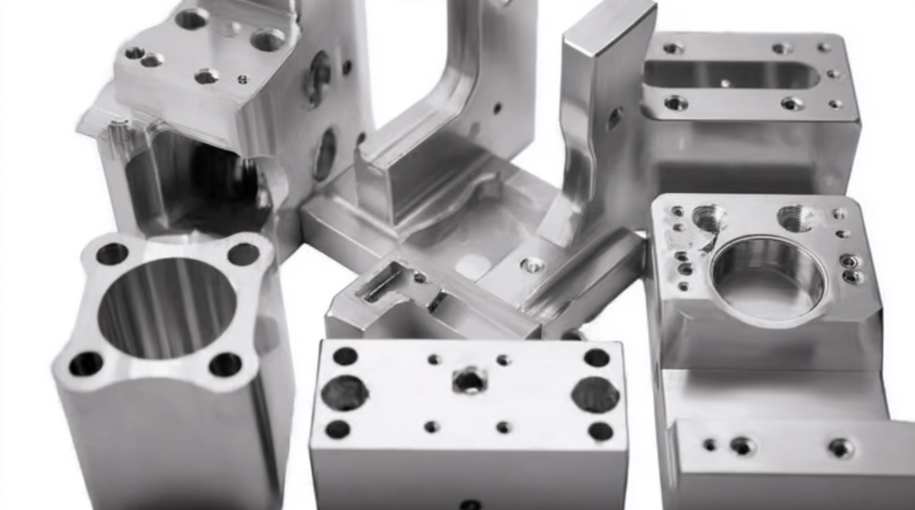
In today’s fast-paced manufacturing environment, lead times are critical. Automated CNC turning significantly shortens lead times for small batch production. The ability to quickly switch between different part designs and the reduced setup times associated with CNC machines enable manufacturers to fulfill orders faster. This agility is essential for businesses looking to maintain a competitive edge in the market. Shorter lead times also allow manufacturers to respond to customer demands more effectively, enabling them to capitalize on emerging trends and opportunities. By streamlining the production process, companies can improve their overall responsiveness and customer satisfaction.
Automated CNC turning is highly scalable, making it an ideal choice for businesses that anticipate growth. As demand for products increases, manufacturers can easily scale up production by adding more CNC machines or optimizing existing ones. This scalability allows businesses to adapt to market changes without the need for significant investments in new equipment or processes. Additionally, the modular nature of many CNC systems means that manufacturers can expand their capabilities incrementally, aligning their investments with actual demand. This flexibility in scaling operations is particularly advantageous for startups and small businesses looking to grow without overextending their resources.
Human error is a common issue in traditional machining processes, often leading to defects and increased production costs. Automated CNC turning minimizes the potential for human error by relying on computer-controlled processes. This automation ensures that each CNC turning part is produced consistently and accurately, reducing the risk of mistakes that can occur during manual operations. Moreover, the reduction in human intervention allows skilled workers to focus on more complex tasks, such as programming and maintenance, rather than routine operations. This shift not only enhances overall productivity but also contributes to employee satisfaction, as workers can engage in more meaningful and challenging roles.
Safety is a paramount concern in manufacturing environments. Automated CNC turning systems are designed with safety features that protect operators and reduce the risk of accidents. By minimizing manual intervention, the likelihood of injuries associated with traditional machining methods is significantly reduced. Additionally, CNC machines often include safety guards and emergency stop functions to further enhance workplace safety. The implementation of automation also allows for the development of safer work environments, as machines can be programmed to operate in ways that minimize exposure to hazardous conditions. This focus on safety not only protects employees but also reduces the potential for costly downtime due to accidents.
The environmental impact of manufacturing processes is becoming increasingly important. Automated CNC turning is more environmentally friendly than traditional machining methods. The precision of CNC machines leads to less material waste, and the ability to recycle scrap materials further reduces the environmental footprint. Additionally, CNC machines often consume less energy than their manual counterparts, contributing to a more sustainable manufacturing process. By adopting CNC turning, manufacturers can align their operations with global sustainability goals, appealing to environmentally conscious consumers and stakeholders. This commitment to sustainability can also enhance a company's brand image and marketability.
Automated CNC turning can be easily integrated with other advanced manufacturing technologies, such as additive manufacturing and robotics. This integration allows for the creation of hybrid manufacturing systems that combine the strengths of different processes. For example, manufacturers can use CNC turning to produce the base components of a part and then employ additive manufacturing techniques to add complex features. This synergy enhances overall production capabilities and opens up new possibilities for innovation. Furthermore, the integration of IoT (Internet of Things) technologies can enable real-time monitoring and data analysis, leading to smarter manufacturing processes and improved decision-making.
Automated CNC turning offers a multitude of advantages for small batch production, including enhanced precision, increased efficiency, cost-effectiveness, and improved quality control. As manufacturers continue to seek ways to optimize their processes and respond to market demands, CNC turning stands out as a powerful solution. The flexibility, scalability, and environmental benefits of this technology make it an attractive option for businesses looking to thrive in a competitive landscape. Embracing automated CNC turning not only enhances production capabilities but also positions manufacturers for future success in an ever-evolving industry. By leveraging the advantages of CNC turning, companies can not only meet current demands but also innovate and adapt to the challenges of tomorrow.
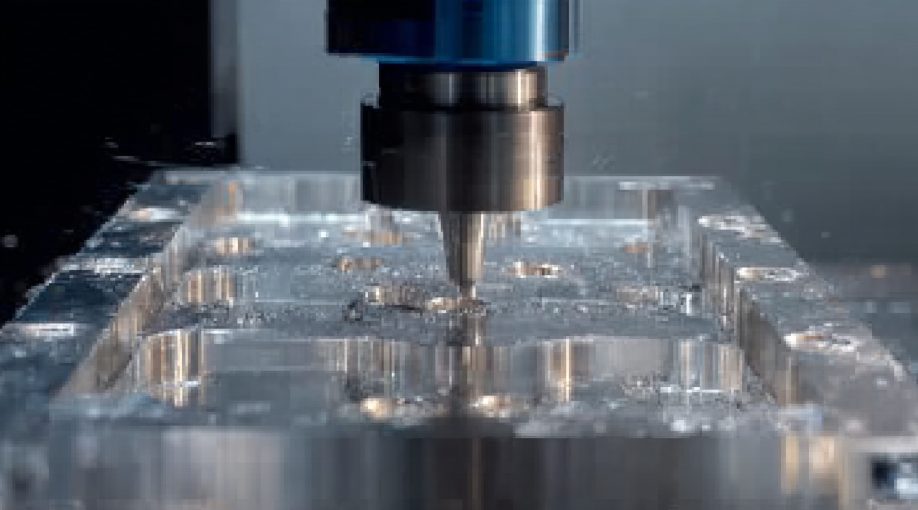
CNC turning is often more efficient than traditional machining processes like manual turning or milling for small batches. It offers higher precision, faster setup times, and the ability to quickly switch between different part designs. This makes it ideal for producing customized parts in small quantities without significant delays.
When selecting a CNC turning machine, consider factors such as the machine's precision and accuracy, the range of materials it can handle, its ease of programming, and the availability of support and maintenance services. Additionally, evaluate the machine's speed and efficiency, as well as its compatibility with existing manufacturing processes.
Common challenges include high initial setup costs, the need for skilled personnel to program and maintain the machines, and potential software issues. These can be addressed by investing in user-friendly software, providing training for operators, and implementing preventive maintenance schedules to minimize downtime.
Yes, CNC turning can be used for a variety of materials beyond metals, including plastics, composites, and wood. The versatility of CNC machines allows manufacturers to work with different materials, making it suitable for a wide range of applications across various industries.
Automation in CNC turning reduces the need for manual labor, as machines can operate with minimal human intervention. This shift allows skilled workers to focus on more complex tasks, such as programming and quality control, while routine operations are handled by the machines. This can lead to a more efficient workforce and lower labor costs overall.


