
Views: 249 Author: ANEBON Publish Time: 2025-11-18 Origin: Site


Content Menu
● Understanding Metal Stamping
● Advantages of Metal Stamping
>> Enhanced Strength and Durability
>> Scalability
● Applications of Metal Stamping
● Frequently Asked and Questions regarding Metal Stamping
>> 1. What are the latest advancements in metal stamping technology?
>> 2. How does metal stamping compare to other metal forming processes like forging or casting?
>> 3. What are the environmental considerations and sustainability practices in metal stamping?
>> 4. What types of materials are commonly used in metal stamping?
>> 5. What industries benefit the most from metal stamping?
Metal stamping is a manufacturing process that involves the use of dies and presses to shape and cut metal into desired forms. This technique is widely used in various industries, including automotive, aerospace, electronics, and consumer goods. The advantages of metal stamping are numerous, making it a preferred choice for many manufacturers. In this article, we will explore the key benefits of using metal stamping, highlighting its efficiency, precision, cost-effectiveness, and versatility.
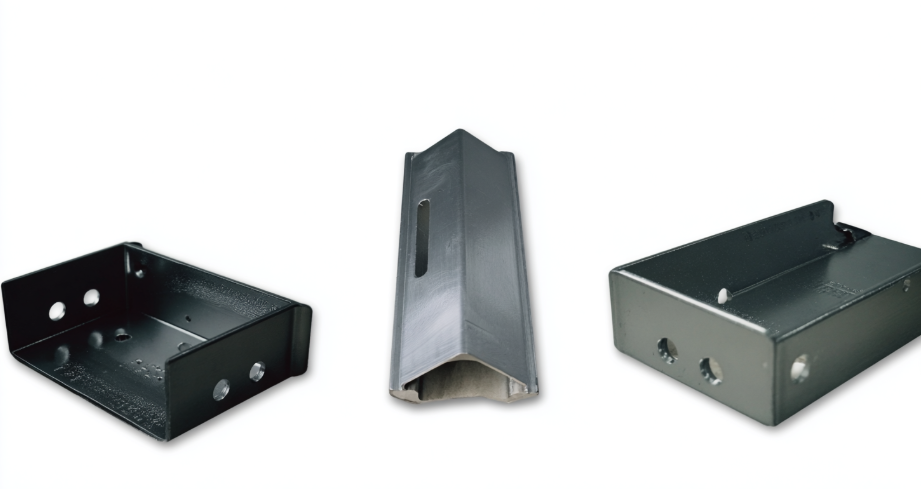
Metal stamping is a process that transforms flat metal sheets into specific shapes and sizes through the application of pressure. This process can include various operations such as blanking, bending, piercing, and forming. The equipment used in metal stamping includes stamping presses, dies, and tooling, which work together to produce high-quality metal parts. The versatility of metal stamping allows it to accommodate a wide range of materials, including various grades of steel, aluminum, and even exotic metals, making it suitable for diverse applications across different sectors.
The metal stamping process begins with the selection of the appropriate metal material, which can range from aluminum and steel to copper and brass. Once the material is chosen, it is fed into a stamping press where the die is used to cut or shape the metal. The process can be performed in a single step or multiple steps, depending on the complexity of the part being produced. Advanced technologies, such as computer numerical control (CNC) systems, are often integrated into the stamping process to enhance precision and control, allowing for intricate designs and complex geometries to be achieved with ease.
One of the primary advantages of metal stamping is its high efficiency and speed. The process can produce a large number of parts in a relatively short amount of time. Once the dies are set up, the stamping press can operate continuously, allowing for mass production of components. This efficiency is particularly beneficial for industries that require high-volume production runs, as it significantly reduces lead times. Moreover, the ability to quickly switch between different dies enables manufacturers to adapt to changing market demands without significant downtime, further enhancing operational efficiency.
Metal stamping offers exceptional precision and consistency in the production of parts. The use of dies ensures that each piece is manufactured to exact specifications, minimizing variations in size and shape. This level of accuracy is crucial in industries such as aerospace and automotive, where even minor discrepancies can lead to significant issues. The ability to produce identical parts consistently makes metal stamping a reliable choice for manufacturers. Additionally, advancements in die technology and press capabilities have further improved the precision of stamped parts, allowing for tighter tolerances and more complex designs.
Cost-effectiveness is another significant advantage of metal stamping. While the initial investment in tooling and dies can be substantial, the long-term savings achieved through high production rates and reduced labor costs make it a financially viable option. Additionally, the efficiency of the process means that manufacturers can achieve lower per-unit costs, making it an attractive choice for large-scale production. The durability of the dies also contributes to cost savings, as high-quality dies can produce millions of parts before needing replacement, thus spreading the initial investment over a larger number of units.
Metal stamping is highly versatile, allowing for a wide range of designs and shapes. The process can accommodate various metal thicknesses and types, enabling manufacturers to create complex geometries that may be challenging to achieve with other manufacturing methods. This versatility extends to the ability to produce parts with intricate features, such as holes, notches, and bends, all within a single operation. Furthermore, metal stamping can be combined with other processes, such as welding and assembly, to create more complex assemblies, enhancing its applicability in various manufacturing scenarios.
Another advantage of metal stamping is its efficient use of materials. The process generates minimal waste, as the dies are designed to maximize the use of the metal sheet. This not only reduces material costs but also contributes to more sustainable manufacturing practices. By minimizing scrap, manufacturers can lower their environmental impact while maintaining profitability. Additionally, the ability to work with a variety of materials, including recycled metals, further enhances the sustainability of the metal stamping process, aligning with the growing demand for eco-friendly manufacturing solutions.
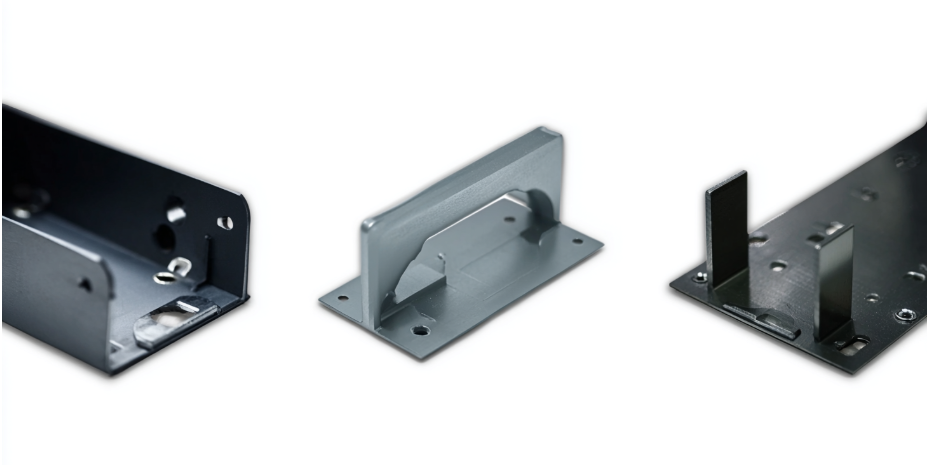
Parts produced through metal stamping often exhibit enhanced strength and durability compared to those made through other methods. The stamping process can improve the mechanical properties of the metal, resulting in components that can withstand higher stress and strain. This is particularly important in applications where reliability and longevity are critical, such as in automotive and industrial machinery. The cold working effect that occurs during stamping can also lead to increased hardness in the material, further enhancing the performance characteristics of the finished parts.
Metal stamping can also lead to reduced assembly time for manufacturers. Since many features can be incorporated into a single stamped part, the need for additional assembly operations is minimized. This streamlining of the production process not only saves time but also reduces the potential for errors during assembly, further enhancing overall efficiency. The integration of multiple functions into a single part can simplify the supply chain, as manufacturers can source fewer components, leading to lower inventory costs and improved logistics.
The surface finish of stamped parts is often superior to that of components produced through other methods. The stamping process can achieve smooth and uniform surfaces, which may require less post-processing. This is particularly advantageous in industries where aesthetics and surface quality are important, such as in consumer electronics and automotive interiors. The ability to achieve high-quality finishes directly from the stamping process can also reduce the need for additional treatments, such as painting or coating, thereby saving time and costs.
Metal stamping is highly scalable, making it suitable for both small and large production runs. Manufacturers can easily adjust their production volumes based on demand, allowing for flexibility in meeting market needs. This scalability is essential for businesses that experience fluctuations in order sizes or seasonal demand. The ability to quickly ramp up production without significant changes to the setup or tooling makes metal stamping an ideal choice for manufacturers looking to remain competitive in a dynamic market environment.
The metal stamping process can be easily automated, further enhancing its efficiency and reducing labor costs. Automated stamping presses can operate with minimal human intervention, allowing for continuous production and reducing the risk of errors. This automation not only improves productivity but also enables manufacturers to allocate their workforce to more value-added tasks. The integration of robotics and advanced control systems into the stamping process can further optimize operations, leading to improved quality and reduced cycle times.
In the automotive industry, metal stamping is used to produce a wide range of components, including body panels, brackets, and structural parts. The precision and strength of stamped parts are essential for ensuring vehicle safety and performance. Additionally, the ability to produce lightweight components through stamping contributes to fuel efficiency. As the automotive industry increasingly focuses on sustainability, metal stamping plays a crucial role in producing parts that meet stringent environmental regulations while maintaining high performance standards.
The electronics industry relies heavily on metal stamping for the production of enclosures, connectors, and other components. The versatility of metal stamping allows for the creation of intricate designs that meet the specific requirements of electronic devices. Furthermore, the improved surface finish of stamped parts enhances the overall appearance of electronic products. As technology continues to advance, the demand for smaller, more complex electronic components increases, making metal stamping an essential process for manufacturers in this sector.
In the aerospace sector, metal stamping is used to manufacture critical components that must meet stringent safety and performance standards. The high strength and durability of stamped parts make them ideal for use in aircraft structures and systems. Additionally, the precision of metal stamping ensures that components fit together seamlessly, which is vital for aircraft safety. As the aerospace industry continues to innovate, metal stamping will remain a key technology for producing lightweight, high-performance parts that contribute to fuel efficiency and overall aircraft performance.
Metal stamping is also widely used in the production of consumer goods, such as appliances, furniture, and decorative items. The ability to create aesthetically pleasing designs with high-quality finishes makes metal stamping a popular choice for manufacturers in this sector. The cost-effectiveness of the process allows for competitive pricing in the consumer goods market. As consumer preferences evolve, manufacturers can leverage the flexibility of metal stamping to quickly adapt to new trends and demands, ensuring they remain relevant in a competitive landscape.
Metal stamping offers a multitude of advantages that make it a preferred manufacturing process across various industries. Its high efficiency, precision, cost-effectiveness, and versatility contribute to its widespread use in producing high-quality metal components. As manufacturers continue to seek ways to improve production processes and reduce costs, metal stamping will remain a vital technique in the world of manufacturing. The ability to produce complex designs with minimal waste and enhanced strength positions metal stamping as a key player in the future of manufacturing. With ongoing advancements in technology and increasing demand for sustainable practices, the future of metal stamping looks promising, paving the way for innovative applications and solutions in the manufacturing sector.
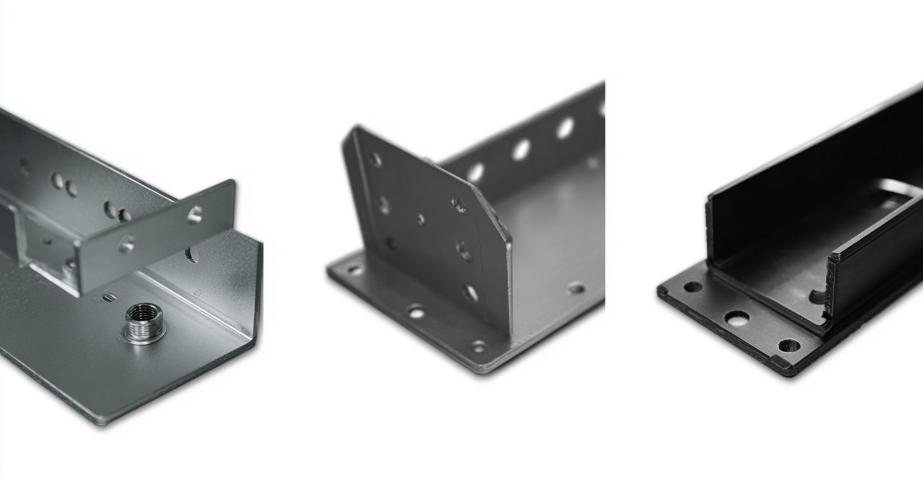
Recent advancements in metal stamping technology include the integration of automation and robotics, which enhance production efficiency and reduce labor costs. Additionally, the use of advanced materials and coatings has improved the durability and performance of stamped parts. Innovations in die design, such as progressive dies and multi-slide dies, allow for more complex shapes and reduced production times.
Metal stamping is generally faster and more cost-effective for high-volume production compared to forging and casting. While forging produces stronger parts due to the alignment of the metal's grain structure, it often requires more energy and time. Casting allows for complex shapes but can result in defects and requires additional finishing processes. Metal stamping strikes a balance between speed, cost, and precision, making it ideal for many applications.
Metal stamping can be environmentally friendly due to its efficient use of materials, which minimizes waste. Many manufacturers are adopting practices such as recycling scrap metal and using eco-friendly lubricants. Additionally, advancements in technology are leading to more energy-efficient stamping processes, reducing the overall carbon footprint of production.
Common materials used in metal stamping include various grades of steel, aluminum, brass, and copper. Each material has its unique properties, making it suitable for different applications. For instance, aluminum is lightweight and corrosion-resistant, making it ideal for automotive and aerospace components, while steel is favored for its strength and durability.
Metal stamping is widely used in several industries, including automotive, aerospace, electronics, and consumer goods. The automotive industry relies on stamping for body panels and structural components, while the aerospace sector uses it for critical parts that require high precision. The electronics industry benefits from stamped enclosures and connectors, and consumer goods manufacturers utilize stamping for various products, from appliances to decorative items.


