
Views: 236 Author: ANEBON Publish Time: 2025-09-29 Origin: Site


Content Menu
● Understanding 3 Axis CNC Machining
>> How Does 3 Axis CNC Machining Work?
● The Advantages of 3 Axis CNC Machining Services
>> Versatility in Material Handling
● Applications of 3 Axis CNC Machining
>> Medical Device Manufacturing
>> Prototyping and Custom Parts
● The Technology Behind 3 Axis CNC Machining
>> Maintenance and Calibration
● Challenges in 3 Axis CNC Machining
● Future Trends in 3 Axis CNC Machining
>> Integration with Automation
● Frequently Asked and Questions regarding 3 Axis CNC Machining Services
>> 1. How does 3 Axis CNC machining compare to 5 Axis CNC machining in terms of capabilities?
>> 2. What are the best practices for selecting the right materials for 3 Axis CNC machining projects?
>> 4. What industries benefit the most from 3 Axis CNC machining services?
>> 5. What are the common challenges faced in 3 Axis CNC machining?
In the world of manufacturing, precision and efficiency are paramount. As industries evolve, the demand for advanced machining techniques has surged. One such technique that has gained significant traction is 3 Axis CNC machining. This article delves into the intricacies of 3 Axis CNC machining services, exploring their benefits, applications, and the technology behind them.
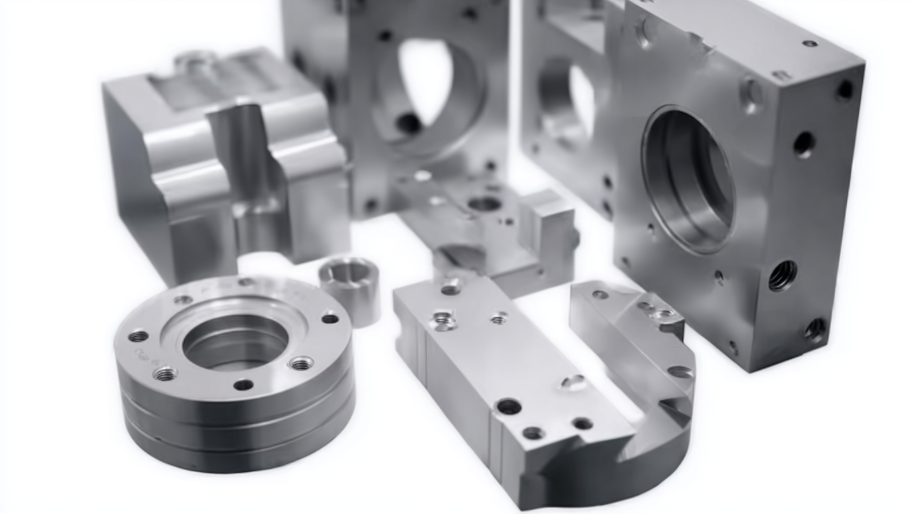
CNC, or Computer Numerical Control, machining refers to the automated control of machining tools through a computer. This technology allows for the precise and efficient production of complex parts and components. CNC machines can operate on various axes, with 3 Axis CNC machining being one of the most common forms. The automation of the machining process not only enhances productivity but also reduces the likelihood of human error, which can lead to costly mistakes. As a result, CNC machining has become a cornerstone of modern manufacturing, enabling companies to produce high-quality products at scale.
In 3 Axis CNC machining, the machine operates along three linear axes: X, Y, and Z. The X and Y axes control the horizontal movement, while the Z axis controls vertical movement. This setup allows for the machining of parts from multiple angles, enabling the creation of intricate designs and shapes. The process begins with a digital design, often created using CAD (Computer-Aided Design) software. This design is then converted into a format that the CNC machine can understand, allowing it to execute the necessary movements to create the desired part. The ability to program complex geometries into the machine's software is a game-changer, as it allows for rapid prototyping and production of custom parts.
One of the most significant advantages of 3 Axis CNC machining is its ability to produce highly precise components. The computer-controlled nature of the process ensures that each cut and movement is executed with exacting standards. This level of precision is crucial in industries such as aerospace, automotive, and medical device manufacturing, where even the slightest deviation can lead to catastrophic failures. The high degree of accuracy not only enhances product quality but also reduces waste, as fewer defective parts are produced. This precision is achieved through advanced sensors and feedback systems that continuously monitor the machining process, making real-time adjustments as needed.
3 Axis CNC machining services can be more cost-effective than traditional machining methods. The automation of the process reduces labor costs and minimizes the risk of human error. Additionally, the ability to produce complex parts in a single setup reduces the need for multiple machines and setups, further lowering production costs. This efficiency translates into shorter lead times, allowing companies to respond more quickly to market demands. Furthermore, the long-term savings associated with reduced material waste and lower labor costs make 3 Axis CNC machining an attractive option for businesses looking to optimize their manufacturing processes.
Another significant benefit of 3 Axis CNC machining is its versatility in handling various materials. Whether it is metals, plastics, or composites, CNC machines can be programmed to work with a wide range of materials. This adaptability makes 3 Axis CNC machining services suitable for various industries, from manufacturing to prototyping. The ability to switch between materials without significant downtime allows manufacturers to diversify their product offerings and cater to different market segments. Additionally, advancements in CNC technology have led to the development of specialized tools and techniques for machining challenging materials, further expanding the capabilities of 3 Axis CNC machining.
In today’s fast-paced manufacturing environment, speed is essential. 3 Axis CNC machining services can significantly reduce production times. The ability to automate processes means that parts can be produced quickly and efficiently, allowing companies to meet tight deadlines and respond to market demands swiftly. The rapid production capabilities of CNC machines also enable manufacturers to take on larger orders without compromising quality. Moreover, the integration of advanced technologies such as high-speed machining and multi-tool setups can further enhance the speed and efficiency of the machining process, making it possible to produce complex parts in a fraction of the time required by traditional methods.
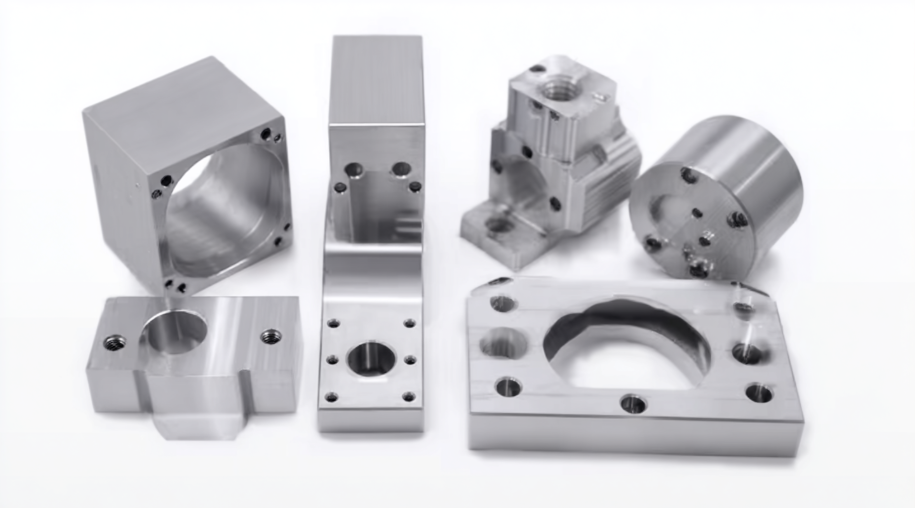
The aerospace industry relies heavily on precision components. 3 Axis CNC machining services are used to manufacture parts such as brackets, housings, and structural components. The ability to produce lightweight yet strong parts is crucial in this industry, making CNC machining an ideal choice. Additionally, the stringent safety regulations in aerospace manufacturing necessitate the use of highly reliable and accurate components. CNC machining not only meets these requirements but also allows for the rapid prototyping of new designs, enabling aerospace companies to innovate and improve their products continuously.
In the automotive sector, 3 Axis CNC machining is employed to create various components, including engine parts, transmission housings, and custom tooling. The precision and efficiency of CNC machining allow for the production of high-quality parts that meet stringent industry standards. As the automotive industry shifts towards electric and autonomous vehicles, the demand for complex and lightweight components is increasing. CNC machining services are well-equipped to meet these evolving needs, providing manufacturers with the flexibility to adapt to new technologies and design requirements.
The medical industry requires components that are not only precise but also safe for use. 3 Axis CNC machining services are used to manufacture surgical instruments, implants, and other medical devices. The ability to work with biocompatible materials further enhances the appeal of CNC machining in this field. Moreover, the customization capabilities of CNC machining allow for the production of tailored medical solutions that meet the specific needs of patients. As the demand for personalized medicine grows, CNC machining will play a crucial role in the development of innovative medical devices.
For businesses looking to develop new products, 3 Axis CNC machining services offer an excellent solution for prototyping. The ability to quickly produce custom parts allows companies to test designs and make necessary adjustments before moving to full-scale production. This rapid prototyping capability not only accelerates the product development cycle but also reduces the risk of costly errors in later stages of production. By enabling manufacturers to iterate on designs quickly, CNC machining fosters innovation and helps companies stay competitive in their respective markets.
The heart of any CNC machining operation lies in its software. CNC machines are programmed using specialized software that translates design files into machine instructions. This software allows for the creation of complex geometries and ensures that the machine operates within specified tolerances. Modern CNC programming software often includes features such as simulation and toolpath optimization, which help operators visualize the machining process and identify potential issues before production begins. As software technology continues to advance, the capabilities of CNC machines will expand, allowing for even greater complexity and precision in machining operations.
A typical 3 Axis CNC machine consists of several key components, including the spindle, tool holder, and worktable. The spindle is responsible for rotating the cutting tool, while the tool holder secures the tool in place. The worktable is where the material is mounted, and it can move in the X, Y, and Z directions to facilitate machining. Additionally, many CNC machines are equipped with advanced features such as automatic tool changers and coolant systems, which enhance efficiency and prolong tool life. Understanding the various components of a CNC machine is essential for operators, as it allows them to troubleshoot issues and optimize performance.
To ensure optimal performance, regular maintenance and calibration of CNC machines are essential. This includes checking the alignment of the axes, ensuring the cutting tools are sharp, and maintaining the software. Proper maintenance not only extends the life of the machine but also ensures consistent quality in the produced parts. Implementing a proactive maintenance schedule can help identify potential issues before they escalate, minimizing downtime and production delays. Additionally, training operators on best practices for machine care can further enhance the reliability and efficiency of CNC machining operations.
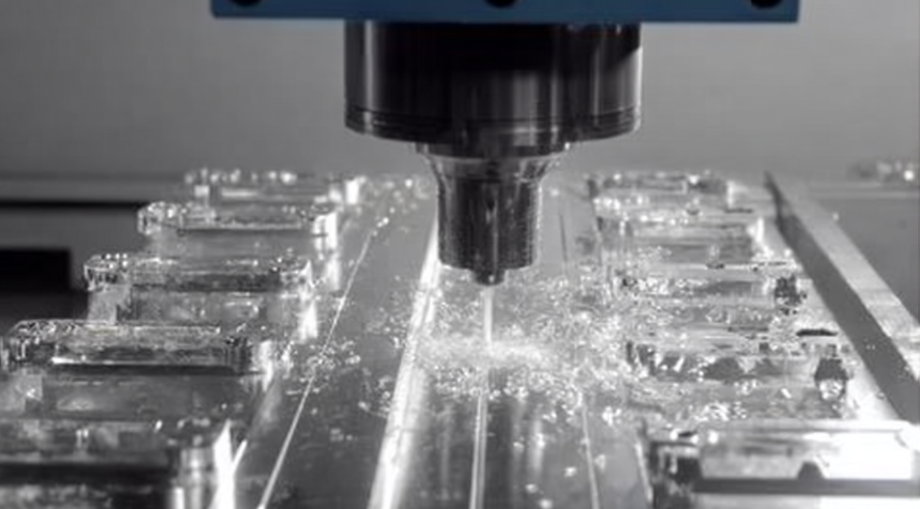
While 3 Axis CNC machining is versatile, it does have limitations when it comes to producing highly complex geometries. Certain designs may require 5 Axis machining, which allows for additional rotational movement. Understanding these limitations is crucial for manufacturers when selecting the appropriate machining method. In cases where 3 Axis machining falls short, manufacturers may need to invest in more advanced CNC technology or consider alternative machining methods. This awareness can help companies make informed decisions about their production processes and ensure they are utilizing the most suitable techniques for their specific needs.
The cutting tools used in CNC machining can wear down over time, affecting the quality of the finished product. Regular monitoring of tool condition and timely replacement is necessary to maintain precision and efficiency in production. Implementing a tool management system can help track tool usage and performance, allowing operators to schedule replacements proactively. Additionally, investing in high-quality cutting tools can reduce wear and extend tool life, ultimately leading to improved production efficiency and lower costs.
While 3 Axis CNC machining can be cost-effective in the long run, the initial setup costs can be significant. This includes the purchase of the machine, software, and training for operators. However, many companies find that the investment pays off through increased efficiency and reduced labor costs. To mitigate these initial costs, businesses can explore financing options or consider leasing equipment. Additionally, investing in training programs for operators can enhance their skills and ensure they are maximizing the capabilities of the CNC machines, further justifying the initial investment.
As technology continues to advance, the integration of automation in CNC machining is becoming more prevalent. Automated loading and unloading systems, as well as robotic arms, are being incorporated into CNC machining processes to further enhance efficiency and reduce labor costs. This shift towards automation not only streamlines production but also allows for greater flexibility in manufacturing operations. As companies seek to optimize their processes and reduce reliance on manual labor, the adoption of automated solutions will likely become a standard practice in the industry.
The development of new materials is also influencing the future of 3 Axis CNC machining. As manufacturers seek to create lighter and stronger components, CNC machining will need to adapt to work with these advanced materials, including composites and alloys. The ability to machine these materials effectively will open up new opportunities for innovation and product development. Furthermore, as sustainability becomes a more pressing concern, the use of eco-friendly materials in CNC machining will likely gain traction, prompting manufacturers to explore new machining techniques and processes.
The demand for customized products is on the rise, and 3 Axis CNC machining services are well-positioned to meet this need. The ability to quickly produce custom parts allows manufacturers to respond to specific customer requirements, enhancing their competitive edge in the market. As consumers increasingly seek personalized solutions, CNC machining will play a crucial role in enabling manufacturers to deliver tailored products efficiently. This trend towards customization will likely drive further advancements in CNC technology, as companies strive to enhance their capabilities and meet the evolving demands of their customers.
3 Axis CNC machining services offer a multitude of benefits, including precision, cost-effectiveness, and versatility. As industries continue to evolve, the demand for advanced machining techniques will only increase. Understanding the advantages and applications of 3 Axis CNC machining is essential for manufacturers looking to stay competitive in today’s fast-paced market. With ongoing advancements in technology and materials, the future of 3 Axis CNC machining looks promising, paving the way for even greater innovations in manufacturing. As companies embrace these advancements, they will be better equipped to meet the challenges of the modern manufacturing landscape and drive their success in the years to come.
3 Axis CNC machining operates along three linear axes (X, Y, and Z), making it suitable for simpler geometries and flat surfaces. In contrast, 5 Axis CNC machining adds two additional rotational axes, allowing for more complex shapes and angles to be machined in a single setup. This capability reduces the need for multiple setups and enhances precision for intricate designs.
When selecting materials for 3 Axis CNC machining, consider factors such as the material's machinability, strength, and application requirements. Common materials include aluminum, steel, plastics, and composites. It's essential to evaluate the material's properties, such as hardness and thermal stability, to ensure compatibility with the machining process and desired end-use.
To integrate 3 Axis CNC machining into existing workflows, businesses should start by assessing their current processes and identifying areas where CNC machining can add value. Training staff on CNC operation and programming is crucial. Additionally, investing in compatible software and ensuring proper maintenance of machines will facilitate a smooth transition and maximize efficiency.
Industries that benefit significantly from 3 Axis CNC machining include aerospace, automotive, medical device manufacturing, and consumer electronics. These sectors require high precision and quality in their components, making CNC machining an ideal solution for producing intricate parts and prototypes.
Common challenges in 3 Axis CNC machining include tool wear, limitations in machining complex geometries, and the need for regular maintenance. Tool wear can affect precision, while complex designs may require more advanced machining techniques. Regular maintenance is essential to ensure optimal machine performance and prevent downtime.


