
Views: 243 Author: ANEBON Publish Time: 2025-12-06 Origin: Site


Content Menu
● Understanding Sheet Metal Fabrication
>> The Importance of Sheet Metal Fabrication
● Key Industries Utilizing Sheet Metal Fabrication
>> Construction and Architecture
>> Electronics and Electrical Equipment
>> Oil and Gas
● Frequently Asked and Questions regarding Sheet Metal Fabrication
>> 1. What are the latest advancements in sheet metal fabrication techniques?
>> 2. How does sheet metal fabrication contribute to sustainable manufacturing practices?
>> 3. What are the key factors to consider when selecting a sheet metal fabrication partner?
>> 4. What materials are commonly used in sheet metal fabrication?
>> 5. What industries benefit the most from sheet metal fabrication?
ANEBON is a leading Chinese manufacturer with 15 years of experience in CNC online processing services. We specialize in a wide range of custom parts processing services, including die casting, 3D printing, sheet metal fabrication, CNC milling, and CNC turning. Our partners span the globe, with over 1,100 clients benefiting from our expertise. In this article, we will explore the main industries served by sheet metal fabrication, highlighting its significance and applications across various sectors.
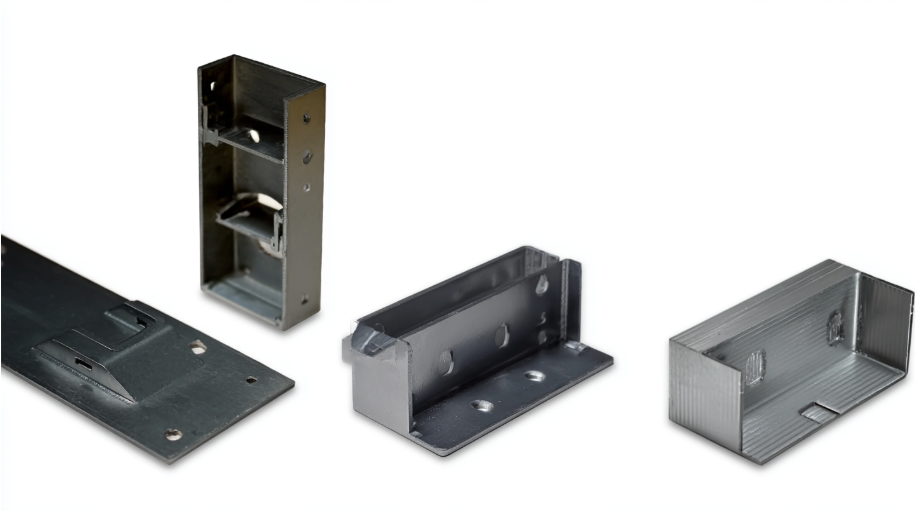
Sheet metal fabrication involves the process of transforming flat sheets of metal into various shapes and forms through cutting, bending, and assembling. This versatile manufacturing technique is essential in producing components for numerous industries, thanks to its ability to create durable and precise parts. The process typically begins with the selection of raw materials, which can include metals like aluminum, steel, and copper, each chosen for their unique properties. The fabrication process can involve several methods, including laser cutting, punching, and welding, allowing for a high degree of customization and complexity in the final products.
The significance of sheet metal fabrication lies in its adaptability and efficiency. It allows manufacturers to produce complex shapes and designs that meet specific requirements. The materials used, such as aluminum, steel, and copper, provide strength and durability, making them suitable for a wide range of applications. Additionally, the fabrication process can be tailored to meet the specific needs of different industries, ensuring that the final products not only meet functional requirements but also adhere to aesthetic standards. This flexibility is crucial in today’s fast-paced manufacturing environment, where rapid prototyping and quick turnaround times are often necessary.
The aerospace and defense industries are among the most demanding sectors for sheet metal fabrication. Components must meet stringent safety and performance standards. For instance, companies like Boeing and Lockheed Martin rely on precision-fabricated parts for aircraft and defense systems. The need for lightweight yet strong materials drives the use of advanced alloys and fabrication techniques. In this sector, the ability to produce parts that can withstand extreme conditions, such as high altitudes and varying temperatures, is critical. Furthermore, the integration of advanced technologies, such as computer-aided design (CAD) and computer numerical control (CNC) machining, enhances the precision and efficiency of the fabrication process, ensuring that every component meets the exact specifications required for safe operation.
The automotive industry heavily depends on sheet metal fabrication for manufacturing vehicle bodies, chassis, and various internal components. Major automotive manufacturers such as Ford and General Motors utilize this process to create parts that are not only functional but also aesthetically pleasing. The shift towards electric vehicles has further increased the demand for lightweight metal components, enhancing energy efficiency. In addition to traditional vehicles, the rise of autonomous driving technology has led to new requirements for custom-fabricated parts that support advanced sensor systems and battery enclosures. The automotive sector also benefits from innovations in fabrication techniques, such as hydroforming and stamping, which allow for the production of complex shapes that improve vehicle performance and safety.
In the construction sector, sheet metal fabrication plays a crucial role in producing structural components, roofing systems, and decorative elements. Companies like Turner Construction and Skanska incorporate fabricated metal parts in their projects to ensure durability and design flexibility. The ability to customize shapes and sizes allows for innovative architectural designs that can enhance both functionality and aesthetics. Moreover, the use of fabricated metal in construction contributes to sustainability efforts, as many materials can be recycled and reused. The integration of advanced fabrication technologies, such as 3D printing and modular construction techniques, is also transforming the industry, enabling faster construction times and reducing waste.
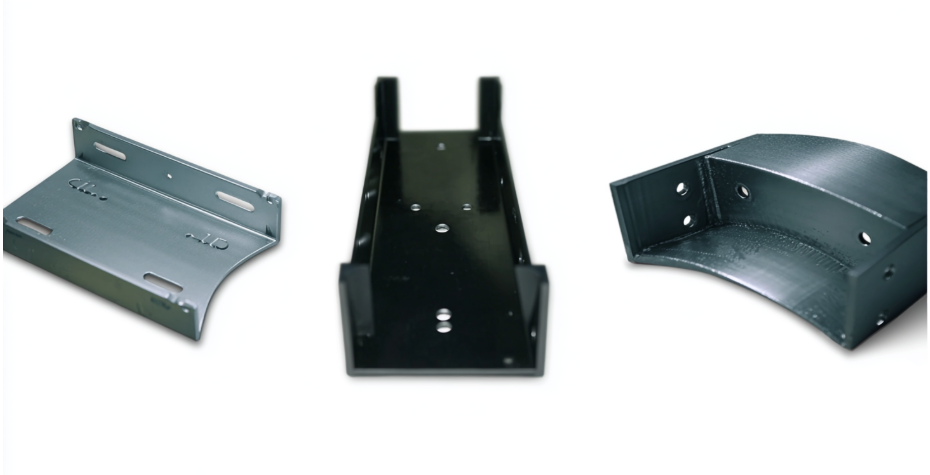
The electronics industry relies on sheet metal fabrication for creating enclosures, racks, and other components that protect sensitive equipment. Companies such as Apple and Samsung utilize fabricated metal parts in their devices to ensure durability and thermal management. The precision required in this sector necessitates advanced fabrication techniques to meet tight tolerances. Additionally, as electronic devices become smaller and more complex, the demand for innovative fabrication solutions that can accommodate intricate designs and provide effective shielding against electromagnetic interference is increasing. The trend towards miniaturization in electronics is pushing the boundaries of sheet metal fabrication, leading to the development of new materials and processes that enhance performance.
The medical device industry benefits significantly from sheet metal fabrication, as it is essential for producing surgical instruments, diagnostic equipment, and other medical devices. Companies like Medtronic and Siemens Healthineers require high-precision sheet metal components that adhere to strict regulatory standards. The ability to fabricate complex shapes is crucial for the functionality and safety of medical devices. Furthermore, the increasing demand for minimally invasive surgical procedures is driving innovation in the design and fabrication of medical instruments, necessitating the use of advanced materials and techniques that ensure both performance and patient safety. The integration of automation and robotics in the fabrication process is also enhancing efficiency and precision, allowing for the mass production of high-quality medical devices.
In the oil and gas industry, sheet metal fabrication is vital for creating pipelines, storage tanks, and drilling equipment. Companies like Schlumberger and Halliburton depend on fabricated metal parts to ensure the safe and efficient extraction and transportation of resources. The harsh environments in which these components operate demand high durability and resistance to corrosion. Additionally, the industry is increasingly focusing on sustainability and environmental protection, leading to innovations in fabrication techniques that reduce waste and improve energy efficiency. The development of advanced coatings and treatments for fabricated metal parts is also enhancing their longevity and performance in challenging conditions.
The food and beverage industry utilizes sheet metal fabrication for manufacturing equipment such as processing machines, storage tanks, and packaging systems. Companies like Coca-Cola and Nestlé rely on fabricated metal parts to ensure hygiene and efficiency in their production processes. The ability to customize equipment to meet specific production needs is a significant advantage. Moreover, the industry is subject to strict health and safety regulations, necessitating the use of materials and fabrication techniques that comply with these standards. Innovations in fabrication, such as the use of stainless steel and other food-safe materials, are enhancing the safety and efficiency of food processing operations.
The telecommunications industry requires sheet metal fabrication for producing enclosures and mounting systems for communication equipment. Companies like Verizon and AT&T utilize fabricated metal parts to protect sensitive electronics from environmental factors. The demand for reliable and durable components is critical in maintaining communication infrastructure. As the industry evolves with the advent of 5G technology and increased connectivity, the need for innovative fabrication solutions that can accommodate new equipment and technologies is growing. The integration of smart manufacturing techniques, such as IoT-enabled monitoring systems, is also enhancing the efficiency and reliability of the fabrication process.
Sheet metal fabrication is a cornerstone of modern manufacturing, serving a diverse range of industries. From aerospace to telecommunications, the ability to produce high-quality, customized metal components is essential for meeting the demands of various sectors. ANEBON, with its extensive experience and commitment to quality, is well-positioned to support these industries with innovative fabrication solutions. As technology continues to advance, the role of sheet metal fabrication will only grow, driving efficiency and innovation across the globe. The ongoing development of new materials, techniques, and technologies will further enhance the capabilities of sheet metal fabrication, ensuring its relevance in the ever-evolving landscape of manufacturing.
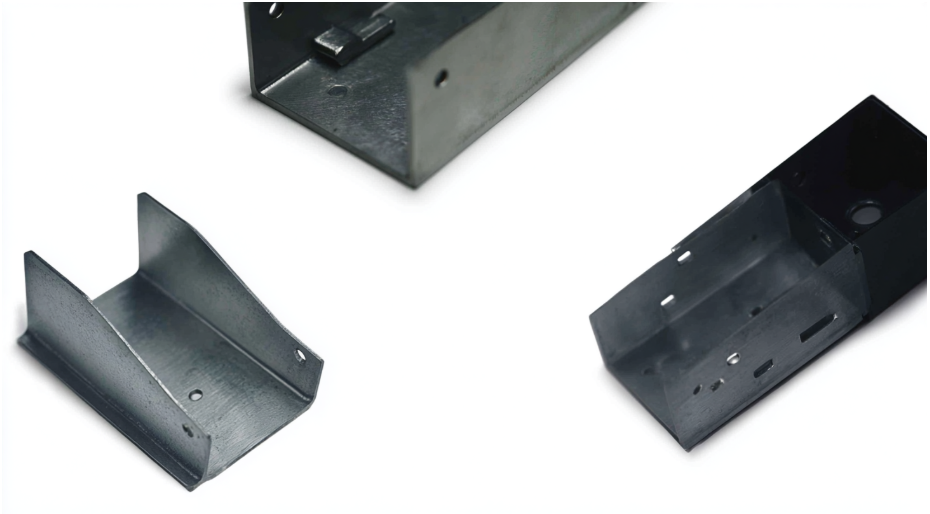
Recent advancements in sheet metal fabrication include the use of laser cutting technology, which allows for more precise cuts and complex designs. Additionally, automation and robotics are increasingly being integrated into the fabrication process, enhancing efficiency and reducing labor costs. The adoption of 3D printing for metal parts is also gaining traction, enabling rapid prototyping and customization.
Sheet metal fabrication contributes to sustainability by utilizing recyclable materials, such as aluminum and steel, which can be reused in new products. The precision of modern fabrication techniques reduces waste during the manufacturing process. Furthermore, advancements in energy-efficient machinery and processes help lower the carbon footprint associated with production.
When selecting a sheet metal fabrication partner, consider their experience and expertise in your specific industry, the range of services they offer, and their ability to meet quality standards. Additionally, evaluate their production capabilities, lead times, and customer service. It's also beneficial to review their past projects and client testimonials to gauge their reliability.
Common materials used in sheet metal fabrication include aluminum, stainless steel, carbon steel, copper, and brass. Each material has unique properties that make it suitable for different applications, such as corrosion resistance, strength, and weight considerations.
Industries that benefit significantly from sheet metal fabrication include aerospace, automotive, construction, electronics, medical devices, and oil and gas. Each of these sectors relies on fabricated metal components for their products, ensuring functionality, safety, and compliance with industry standards.


