
Views: 220 Author: ANEBON Publish Time: 2025-10-28 Origin: Site


Content Menu
>> Customization and Prototyping
>> Renewable Energy Components
>> Customization and Personalization
● Frequently Asked and Questions regarding CNC Machining Services
>> 1. What materials can be used in CNC machining?
>> 2. How does CNC machining improve production efficiency?
>> 3. What is the difference between CNC milling and CNC turning?
>> 4. How can CNC machining be used for prototyping?
>> 5. What are the cost factors associated with CNC machining?
CNC (Computer Numerical Control) machining services have revolutionized the manufacturing landscape, providing precision, efficiency, and versatility across various industries. As a leading online manufacturer with 15 years of experience, ANEBON specializes in offering a wide range of CNC machining services, including die casting, 3D printing, sheet metal fabrication, CNC milling, and CNC turning. This article explores the diverse industries that benefit from CNC machining services, highlighting the unique applications and advantages that CNC technology brings to each sector.
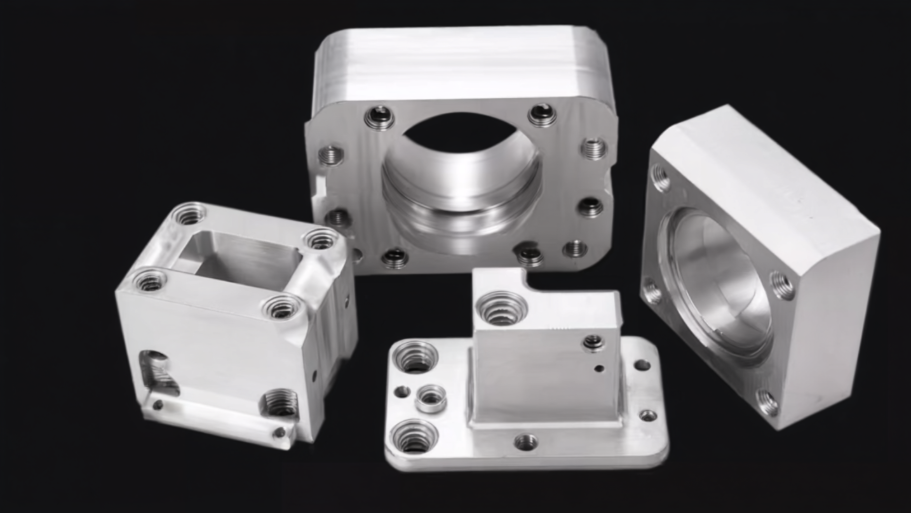
CNC machining is a manufacturing process that utilizes computer-controlled machines to create parts and components from various materials. This technology allows for high precision and repeatability, making it ideal for producing complex geometries and intricate designs. The process involves the use of CAD (Computer-Aided Design) software to create a digital model, which is then translated into machine instructions. CNC machines can work with metals, plastics, wood, and composites, making them suitable for a wide range of applications. The ability to automate the machining process not only enhances productivity but also reduces human error, leading to higher quality outputs. Furthermore, CNC machining can be integrated with other technologies, such as additive manufacturing, to create hybrid solutions that leverage the strengths of both processes.
The aerospace industry demands the highest levels of precision and safety in its components. CNC machining services play a crucial role in manufacturing parts for aircraft, spacecraft, and satellites. Components such as engine mounts, brackets, and housings require meticulous attention to detail, as even the slightest deviation can lead to catastrophic failures. CNC machining ensures that these parts are produced to exact specifications, enhancing safety and reliability. Additionally, the aerospace sector is subject to rigorous regulatory standards, and CNC machining helps manufacturers comply with these requirements by providing documentation and traceability for each component produced. This level of accountability is essential in maintaining the integrity of aerospace systems.
With the increasing focus on fuel efficiency and performance, the aerospace sector is shifting towards lightweight materials such as titanium and advanced composites. CNC machining is adept at handling these materials, allowing manufacturers to create strong yet lightweight components that meet stringent industry standards. The use of lightweight materials not only improves fuel efficiency but also enhances the overall performance of aircraft. CNC technology enables the precise machining of these materials, ensuring that they maintain their structural integrity while being lightweight. This capability is particularly important as the aerospace industry continues to innovate and develop next-generation aircraft that require advanced materials and manufacturing techniques.
The automotive industry benefits significantly from CNC machining services, particularly in the areas of customization and prototyping. Manufacturers can quickly produce prototypes of new vehicle designs, allowing for rapid testing and iteration. CNC machining enables the creation of custom parts, such as specialized brackets, housings, and engine components, tailored to specific vehicle models. This flexibility allows automotive manufacturers to respond swiftly to market demands and consumer preferences, ensuring that they remain competitive in a rapidly evolving industry. Moreover, the ability to produce prototypes quickly reduces the time-to-market for new vehicles, allowing manufacturers to capitalize on emerging trends and technologies.
In addition to prototyping, CNC machining is also used for mass production of automotive parts. The ability to produce high volumes of components with consistent quality makes CNC machining an essential process in automotive manufacturing. Parts such as gears, shafts, and transmission components are often produced using CNC technology, ensuring they meet the rigorous demands of the automotive market. The scalability of CNC machining allows manufacturers to adjust production levels based on market needs, optimizing their operations and reducing waste. This adaptability is crucial in an industry where consumer preferences can shift rapidly, and manufacturers must be prepared to meet changing demands.
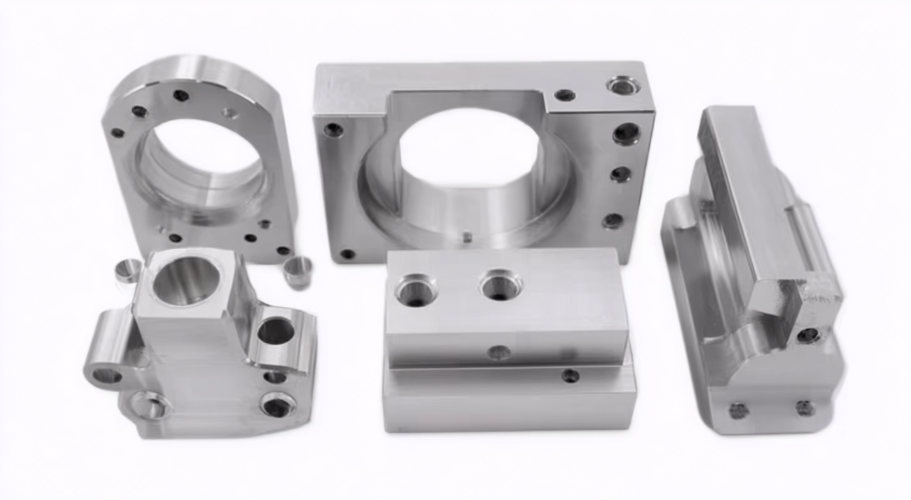
The medical industry relies heavily on precision components for devices and equipment. CNC machining services are used to manufacture surgical instruments, implants, and diagnostic equipment. The ability to produce intricate designs with high accuracy is vital in this sector, where the performance of medical devices can directly impact patient outcomes. CNC machining allows for the creation of complex geometries that are often required in medical applications, such as custom implants that fit the unique anatomy of individual patients. This level of customization not only improves the effectiveness of medical treatments but also enhances patient comfort and recovery times.
CNC machining can work with biocompatible materials, which are essential for medical applications. Materials such as titanium, stainless steel, and certain plastics are commonly used in medical devices. CNC technology allows for the precise machining of these materials, ensuring that they meet the necessary regulatory standards for safety and efficacy. The ability to produce components that are both functional and biocompatible is critical in the medical field, where the risk of infection and complications must be minimized. Furthermore, advancements in CNC machining technology continue to expand the range of materials that can be used in medical applications, paving the way for innovative solutions in healthcare.
The electronics industry often requires components with complex geometries and tight tolerances. CNC machining services are ideal for producing parts such as enclosures, connectors, and circuit boards. The precision offered by CNC technology ensures that electronic components fit together seamlessly, reducing the risk of malfunctions. As electronic devices become increasingly compact and sophisticated, the demand for intricate designs continues to grow. CNC machining enables manufacturers to meet these demands by producing high-quality components that can accommodate the latest technological advancements.
In the fast-paced electronics market, rapid prototyping is essential for staying competitive. CNC machining allows manufacturers to quickly produce prototypes of new electronic devices, enabling faster time-to-market. This agility is crucial in an industry where technological advancements occur at a rapid pace. The ability to iterate designs quickly and efficiently allows electronics manufacturers to refine their products based on user feedback and market trends. Additionally, CNC machining can facilitate the production of small batches of specialized components, allowing manufacturers to test new ideas without committing to large-scale production runs.
The defense industry requires high-performance parts that can withstand extreme conditions. CNC machining services are used to produce components for military vehicles, weapons systems, and communication equipment. The precision and reliability of CNC technology ensure that these parts meet the demanding specifications required for defense applications. In this sector, the stakes are incredibly high, and the failure of a single component can have serious consequences. CNC machining provides the level of quality assurance needed to ensure that defense systems operate effectively and reliably in critical situations.
CNC machining allows for the creation of custom solutions tailored to specific defense needs. Whether it’s a unique mounting bracket or a specialized housing for sensitive equipment, CNC technology provides the flexibility to produce parts that meet the unique challenges of the defense sector. This customization capability is essential in an industry where requirements can vary significantly based on mission objectives and operational environments. By leveraging CNC machining, defense contractors can develop innovative solutions that enhance the performance and effectiveness of military systems.
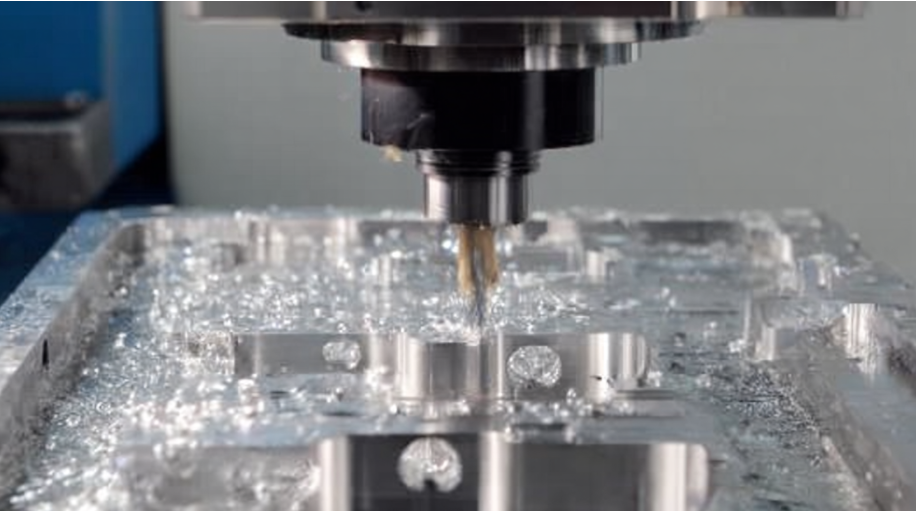
The energy sector, particularly renewable energy, benefits from CNC machining services in the production of components for wind turbines, solar panels, and other renewable energy systems. CNC technology enables the precise machining of parts that are critical for the efficiency and reliability of these systems. As the world shifts towards sustainable energy sources, the demand for high-quality components in renewable energy applications continues to grow. CNC machining allows manufacturers to produce parts that meet the stringent performance requirements of renewable energy systems, contributing to the global transition towards cleaner energy solutions.
In the oil and gas industry, CNC machining is used to manufacture components for drilling equipment, pipelines, and refineries. The ability to produce durable and corrosion-resistant parts is essential in this sector, where equipment is often exposed to harsh environments. CNC machining ensures that these components are built to withstand the rigors of oil and gas extraction, enhancing the safety and efficiency of operations. Additionally, the scalability of CNC machining allows manufacturers to respond quickly to fluctuations in demand, ensuring that they can meet the needs of the industry as it evolves.
The consumer products industry increasingly demands customization and personalization. Custom CNC machining services allow manufacturers to create unique products tailored to individual customer preferences. From custom phone cases to personalized kitchenware, CNC technology enables the production of one-of-a-kind items that stand out in the market. This trend towards personalization reflects changing consumer expectations, as individuals seek products that reflect their unique identities and lifestyles. CNC machining provides the flexibility and precision needed to meet these demands, allowing manufacturers to differentiate themselves in a competitive marketplace.
In addition to customization, CNC machining is also used for high-volume production of consumer goods. The efficiency and precision of CNC machines make them ideal for producing large quantities of products, ensuring consistent quality and reducing production costs. This capability is particularly important in an industry where economies of scale can significantly impact profitability. By leveraging CNC machining, manufacturers can optimize their production processes, reduce lead times, and enhance their overall competitiveness in the consumer products market.
CNC machining services have become an integral part of various industries, providing the precision, efficiency, and flexibility needed to meet modern manufacturing demands. From aerospace to consumer products, the applications of CNC technology are vast and varied. As industries continue to evolve, the role of CNC machining will only grow, enabling manufacturers to innovate and produce high-quality components that drive progress across the globe. ANEBON, with its extensive experience and commitment to quality, is well-positioned to support these industries with top-notch CNC machining services tailored to their specific needs. The future of manufacturing is bright, and CNC machining will undoubtedly play a pivotal role in shaping that future.
CNC machining can work with a wide variety of materials, including metals (such as aluminum, steel, titanium, and brass), plastics (like ABS, nylon, and polycarbonate), wood, and composites. The choice of material often depends on the specific application and the required properties of the final product.
CNC machining improves production efficiency by automating the manufacturing process, which reduces the time needed for setup and production. The precision of CNC machines also minimizes waste and rework, allowing for higher output rates and consistent quality across large production runs.
CNC milling involves rotating a cutting tool against a stationary workpiece to remove material, allowing for complex shapes and features. In contrast, CNC turning involves rotating the workpiece while a stationary cutting tool removes material, typically used for producing cylindrical parts. Both processes are essential in creating different types of components.
CNC machining is ideal for prototyping because it allows for rapid production of parts with high precision. Manufacturers can quickly create prototypes from various materials, enabling them to test designs and make adjustments before moving to full-scale production. This speed and flexibility are crucial in industries where time-to-market is critical.
The cost of CNC machining can vary based on several factors, including the complexity of the part design, the type of material used, the volume of production, and the specific machining processes required. Additional costs may arise from tooling, setup time, and finishing processes. Understanding these factors can help businesses budget effectively for their manufacturing needs.


