
Views: 210 Author: ANEBON Publish Time: 2025-11-03 Origin: Site


Content Menu
● Understanding Metal Stamping
● Industries That Benefit from Metal Stamping
>>> Body Panels
>>> Engine Parts
>>> Enclosures
>>> Medical Devices
>>> HVAC Components
● Advantages of Metal Stamping
>> High Precision and Consistency
>> Versatility
● Future Trends in Metal Stamping
● Frequently Asked and Questions regarding Metal Stamping
>> 1. How does metal stamping compare to other manufacturing processes like CNC machining?
>> 2. What are the environmental impacts of metal stamping and how can they be mitigated?
>> 3. What are some emerging applications of metal stamping in renewable energy technologies?
>> 4. What types of materials are commonly used in metal stamping?
>> 5. What are the key factors to consider when designing parts for metal stamping?
Metal stamping is a manufacturing process that involves the use of dies and presses to shape and cut metal into desired forms. This versatile technique is widely used across various industries due to its efficiency, precision, and cost-effectiveness. In this article, we will explore the different industries that benefit from metal stamping, the advantages of this process, and the future trends shaping its application.
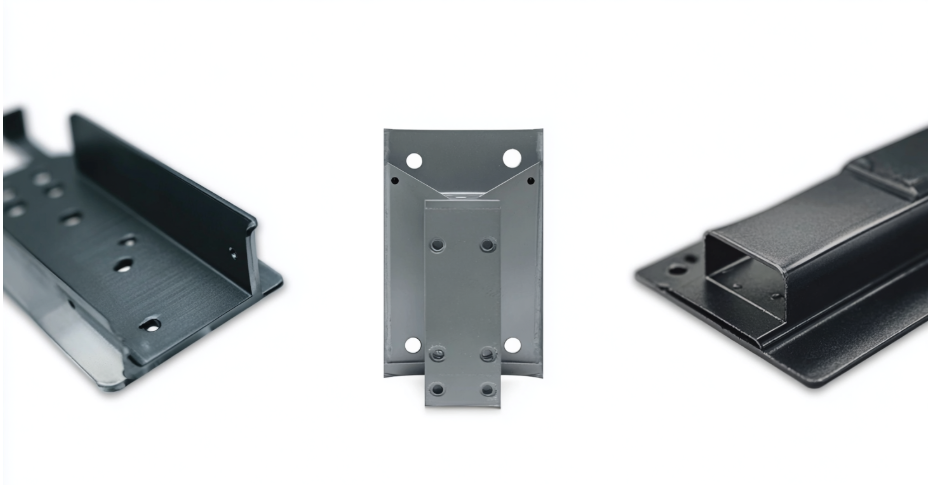
Metal stamping encompasses a range of processes, including blanking, bending, and forming. It is primarily used to create parts and components from sheet metal. The process begins with a metal sheet, which is fed into a stamping press where it is shaped according to the specifications of the die. This method is particularly advantageous for producing large quantities of identical parts with high precision. The ability to produce complex shapes and intricate designs makes metal stamping a preferred choice for manufacturers looking to optimize their production processes.
The metal stamping process can be broken down into several key steps:
Design and Prototyping: The first step involves designing the part and creating a prototype. This ensures that the dimensions and specifications meet the required standards. Advanced software tools are often used in this phase to simulate the stamping process, allowing engineers to identify potential issues before production begins.
Die Creation: Once the design is finalized, a die is created. This die is a critical component of the stamping process, as it determines the shape and size of the final product. The die-making process itself can be complex and requires skilled craftsmanship, as the quality of the die directly impacts the quality of the stamped parts.
Stamping: The metal sheet is placed in the stamping press, and the die is used to cut or shape the metal. This can involve multiple operations, such as bending or forming, depending on the complexity of the part. The stamping process can be performed at high speeds, making it suitable for mass production.
Finishing: After stamping, the parts may undergo additional processes such as deburring, coating, or assembly to ensure they meet quality standards. Finishing processes are crucial for enhancing the durability and appearance of the parts, especially in industries where aesthetics are important.
Metal stamping is utilized in a variety of industries, each with its unique requirements and applications. Below are some of the key sectors that benefit significantly from this manufacturing process.
The automotive industry is one of the largest consumers of metal stamping services. This sector relies on metal stamping for the production of various components, including:
Metal stamping is used to create body panels for vehicles, such as doors, hoods, and fenders. These parts must be lightweight yet durable, making metal stamping an ideal choice. The precision of the stamping process ensures that body panels fit perfectly, which is essential for both safety and aesthetics.
Chassis components, which provide structural support to vehicles, are often produced through metal stamping. This process ensures that these parts are strong and can withstand the stresses of driving. The use of high-strength materials in stamping can enhance the performance and safety of vehicles.
Many engine components, such as brackets and covers, are manufactured using metal stamping. The precision of this process is crucial for ensuring the proper functioning of the engine. Stamped engine parts can also contribute to weight reduction, which is a significant factor in improving fuel efficiency.
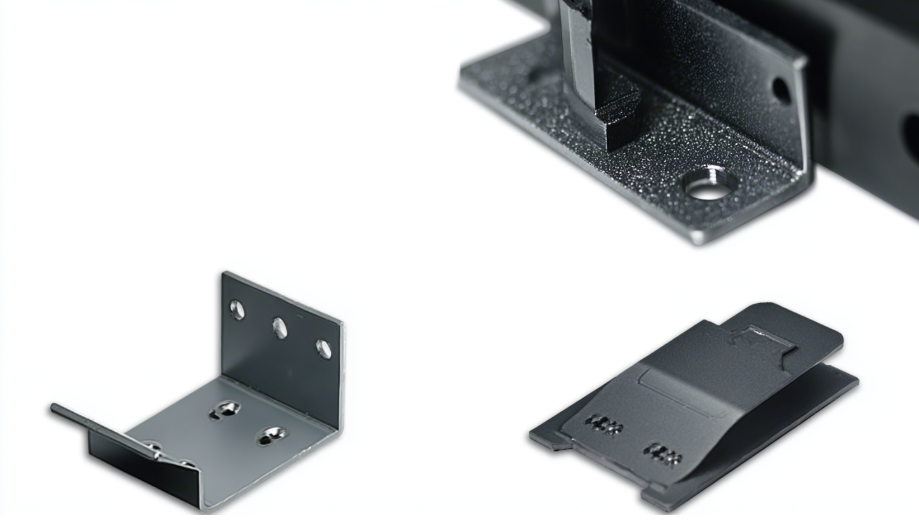
The electronics industry also benefits from metal stamping, particularly in the production of components that require high precision and reliability.
Metal stamping is commonly used to produce connectors and terminals for electronic devices. These components must be manufactured to exact specifications to ensure proper electrical conductivity. The ability to produce intricate designs through stamping allows for more compact and efficient electronic assemblies.
Many electronic devices require protective enclosures, which can be efficiently produced through metal stamping. This process allows for the creation of complex shapes that provide both functionality and aesthetic appeal. Stamped enclosures can also be designed to enhance thermal management, which is critical for the performance of electronic devices.
The aerospace industry demands high-quality components that can withstand extreme conditions. Metal stamping plays a vital role in this sector by providing:
Metal stamping is used to create structural components for aircraft, such as brackets and frames. These parts must be lightweight yet strong to ensure the safety and performance of the aircraft. The aerospace industry often requires parts that meet stringent regulatory standards, making the precision of metal stamping particularly valuable.
Similar to the automotive industry, the aerospace sector relies on metal stamping for various engine components. The precision of this process is essential for the performance and reliability of aircraft engines. Stamped parts can also be designed to reduce drag and improve fuel efficiency, which is a critical consideration in aerospace engineering.
The medical industry requires components that meet stringent quality and safety standards. Metal stamping is used to produce:
Many surgical instruments are manufactured using metal stamping. The precision and consistency of this process ensure that these instruments meet the necessary safety and performance standards. The ability to produce complex shapes allows for the creation of specialized instruments tailored to specific surgical procedures.
Metal stamping is also used in the production of various medical devices, such as diagnostic equipment and implants. The ability to produce high-quality, reliable metal stamping components is essential in the medical field, where even minor defects can have serious consequences.
The construction industry utilizes metal stamping for various applications, including:
Metal stamping is used to create structural components for buildings, such as brackets and supports. These parts must be strong and durable to ensure the integrity of the structure. The use of stamped components can also streamline the construction process, reducing assembly time and labor costs.
Heating, ventilation, and air conditioning (HVAC) systems often rely on metal stamping for components such as ducts and fittings. The precision of metal stamping ensures that these parts fit together seamlessly, which is crucial for the efficiency of HVAC systems.
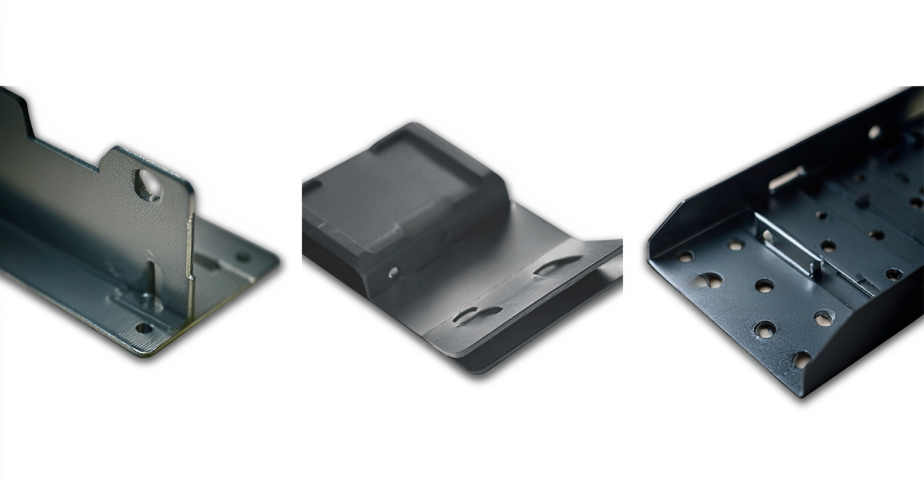
Metal stamping offers several advantages that make it a preferred manufacturing process across various industries.
One of the primary benefits of metal stamping is its cost-effectiveness. The ability to produce large quantities of parts quickly and efficiently reduces labor and material costs. Additionally, the precision of the process minimizes waste, further enhancing cost savings. This cost efficiency is particularly beneficial for industries that require high-volume production runs.
Metal stamping provides high levels of precision and consistency, which are essential for industries that require exact specifications. This reliability ensures that parts fit together correctly and function as intended. The consistency of stamped parts also simplifies quality control processes, as manufacturers can easily identify and address any deviations from specifications.
Metal stamping is a versatile process that can be used to create a wide range of parts and components. This adaptability makes it suitable for various applications across different industries. The ability to work with different materials and thicknesses further enhances the versatility of metal stamping, allowing manufacturers to meet diverse customer needs.
The speed of the metal stamping process allows manufacturers to produce large quantities of parts in a short amount of time. This efficiency is particularly beneficial for industries with high demand for specific components. The rapid turnaround times associated with metal stamping can also help companies respond quickly to market changes and customer demands.
As technology continues to advance, the metal stamping industry is evolving to meet new challenges and opportunities. Some of the key trends shaping the future of metal stamping include:
The integration of automation and robotics in the metal stamping process is increasing efficiency and reducing labor costs. Automated systems can handle repetitive tasks, allowing human workers to focus on more complex operations. This shift towards automation is also helping to address labor shortages in manufacturing, as machines can operate continuously with minimal downtime.
The use of advanced materials, such as lightweight alloys and composites, is becoming more common in metal stamping. These materials offer improved performance and can lead to the development of innovative products. The ability to work with advanced materials also opens up new possibilities for design and functionality in various applications.
Sustainability is becoming a significant focus in manufacturing, including metal stamping. Companies are exploring ways to reduce waste and energy consumption, as well as using recycled materials in their processes. The push for sustainability is not only driven by regulatory requirements but also by consumer demand for environmentally friendly products.
The rise of digital manufacturing technologies, such as 3D printing and computer-aided design (CAD), is influencing the metal stamping industry. These technologies allow for more complex designs and faster prototyping, enhancing the overall manufacturing process. The integration of digital tools can also improve collaboration between design and manufacturing teams, leading to more efficient workflows.
Metal stamping is a crucial manufacturing process that benefits a wide range of industries, including automotive, electronics, aerospace, medical, and construction. Its advantages, such as cost-effectiveness, precision, and versatility, make it an ideal choice for producing high-quality components. As the industry continues to evolve with advancements in technology and a focus on sustainability, metal stamping will remain a vital part of modern manufacturing. The ongoing innovations in this field promise to enhance efficiency, reduce costs, and improve the overall quality of stamped products, ensuring that metal stamping remains a key player in the manufacturing landscape for years to come.
Metal stamping is generally faster and more cost-effective for high-volume production compared to CNC machining, which is better suited for low-volume, high-precision parts. Stamping can produce large quantities of identical parts quickly, while CNC machining offers greater flexibility for complex shapes and designs.
The environmental impacts of metal stamping include waste generation, energy consumption, and emissions. These can be mitigated by implementing recycling programs for scrap metal, using energy-efficient machinery, and adopting sustainable practices such as reducing material waste and utilizing eco-friendly lubricants.
Metal stamping is increasingly used in renewable energy technologies, such as producing components for solar panels, wind turbine parts, and battery enclosures. Its ability to create lightweight and durable parts makes it ideal for enhancing the efficiency and performance of renewable energy systems.
Common materials used in metal stamping include steel, aluminum, brass, and copper. Each material has unique properties that make it suitable for different applications, such as strength, weight, and corrosion resistance.
Key factors to consider include material selection, part geometry, tolerances, and the type of die required. Designers must also account for the manufacturing process, including the number of operations needed and the potential for material waste, to ensure cost-effectiveness and efficiency.


