
Views: 226 Author: ANEBON Publish Time: 2025-09-30 Origin: Site


Content Menu
● Industries That Benefit from CNC Milling
>>> Applications in Automotive
>>> Applications in Electronics
>>> Applications in Consumer Products
● Frequently Asked and Questions regarding CNC Milling
>> 1. What materials can be used in CNC milling?
>> 2. How does CNC milling differ from CNC turning?
>> 3. What industries commonly use CNC milling?
>> 4. What are the typical applications of CNC milling in the medical field?
>> 5. How can CNC milling improve production efficiency?
CNC milling, or Computer Numerical Control milling, is a manufacturing process that utilizes computer-controlled machines to remove material from a workpiece. This technology has revolutionized the way products are designed and manufactured, offering precision, efficiency, and versatility. Various industries have adopted CNC milling to enhance their production capabilities, improve product quality, and reduce lead times. In this article, we will explore the industries that benefit most from CNC milling, highlighting the specific applications and advantages it offers.
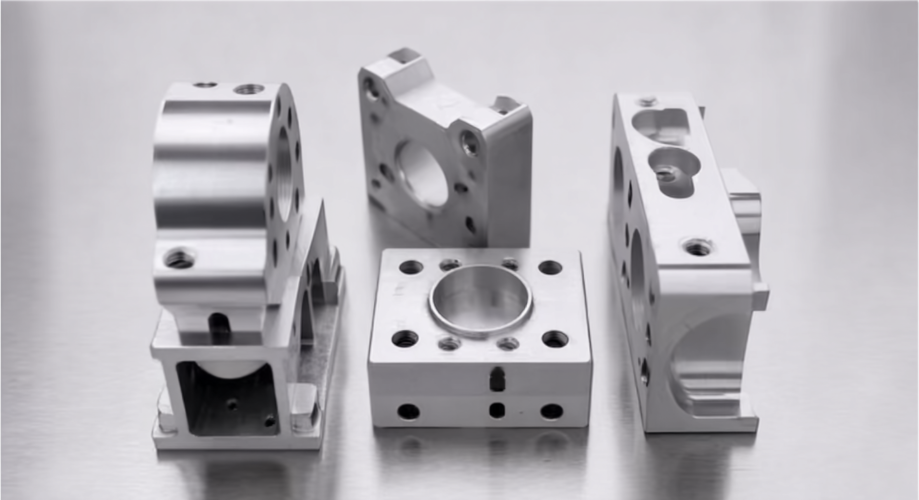
CNC milling involves the use of a rotating cutting tool to remove material from a solid block of material, known as a workpiece. The process is controlled by a computer program that dictates the movement of the cutting tool and the workpiece. This allows for intricate designs and complex geometries to be produced with high accuracy. CNC milling machines can work with a variety of materials, including metals, plastics, and composites, making them suitable for a wide range of applications. The flexibility of CNC milling also means that it can be adapted to different production scales, from one-off prototypes to large-scale manufacturing runs.
The CNC milling process begins with the creation of a digital design using computer-aided design (CAD) software. This design is then converted into a format that the CNC machine can understand, typically through computer-aided manufacturing (CAM) software. The machine is set up with the appropriate cutting tools and the workpiece is secured in place. Once everything is in position, the CNC machine executes the programmed instructions, moving the cutting tool along the designated paths to shape the workpiece. This process not only enhances the speed of production but also minimizes human error, leading to higher quality outputs.
CNC milling offers several advantages over traditional machining methods. These include:
Precision and Accuracy: CNC machines can produce parts with tight tolerances, ensuring that each piece meets the required specifications. This level of precision is critical in industries where even minor deviations can lead to significant issues, such as in aerospace or medical applications.
Repeatability: Once a program is created, it can be used to produce identical parts consistently, reducing variability in production. This repeatability is essential for manufacturers who need to maintain quality across large production runs.
Complex Geometries: CNC milling can create intricate shapes and designs that would be difficult or impossible to achieve with manual machining. This capability allows designers to push the boundaries of creativity and innovation in product development.
Efficiency: CNC machines can operate continuously, reducing production time and increasing output. This efficiency is particularly beneficial in competitive markets where time-to-market is crucial.
Material Versatility: CNC milling can work with a wide range of materials, allowing manufacturers to choose the best material for their specific application. This versatility enables the production of parts that meet specific performance criteria, such as strength, weight, and thermal resistance.
CNC milling is utilized across various industries, each benefiting from its unique capabilities. Below, we explore some of the key industries that leverage CNC milling technology.
The aerospace industry is one of the most demanding sectors when it comes to precision manufacturing. CNC milling plays a crucial role in producing components for aircraft and spacecraft, including engine parts, structural components, and interior fittings. The ability to create lightweight yet strong parts is essential in aerospace applications, and CNC milling allows manufacturers to achieve this through advanced materials and precise machining techniques. The stringent safety regulations in this industry necessitate the highest standards of quality and reliability, making CNC milling an indispensable tool.
CNC milling is used to manufacture complex geometries required for aerodynamics and structural integrity. Components such as turbine blades, wing structures, and fuselage parts are often produced using CNC milling. The high level of precision required in these components ensures safety and performance in flight. Additionally, the ability to quickly prototype new designs allows aerospace engineers to test and refine their concepts before full-scale production, significantly reducing development time and costs.
The automotive industry also heavily relies on CNC milling for the production of various components. From engine blocks to transmission housings, CNC milling enables manufacturers to produce high-quality parts with tight tolerances. The ability to quickly produce prototypes and small batches of parts is particularly beneficial in the automotive sector, where design changes are common. As the industry moves towards electric and autonomous vehicles, CNC milling technology is evolving to meet new challenges and requirements.
CNC milling is used to create a wide range of automotive components, including brackets, housings, and custom parts. The technology allows for rapid prototyping, enabling manufacturers to test new designs before full-scale production. Additionally, CNC milling can produce lightweight components that contribute to fuel efficiency. As automotive designs become more complex, the role of CNC milling in producing intricate parts that enhance performance and safety continues to grow.
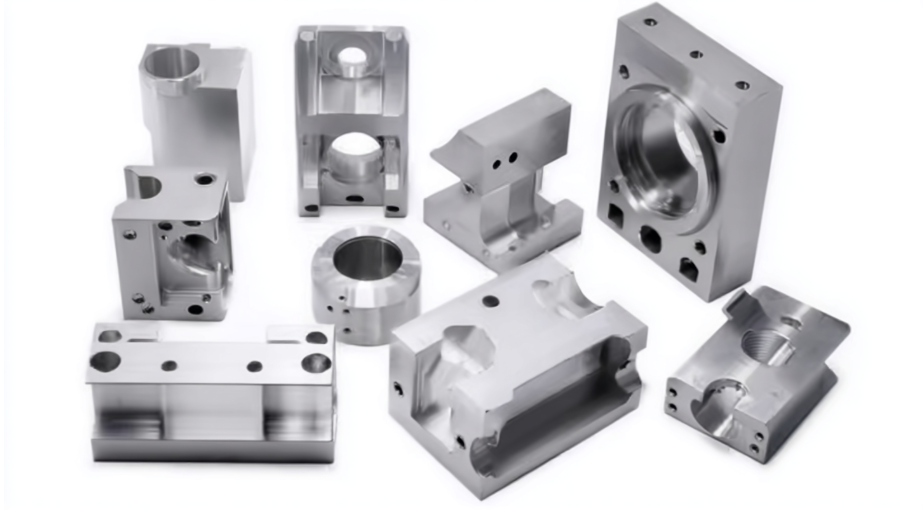
In the medical field, precision is paramount. CNC milling is used to manufacture surgical instruments, implants, and prosthetics with high accuracy. The ability to create custom parts tailored to individual patients is a significant advantage of CNC milling in the medical industry. As healthcare technology advances, the demand for personalized medical solutions is increasing, further driving the adoption of CNC milling.
CNC milling is employed to produce components such as orthopedic implants, dental devices, and surgical tools. The technology allows for the creation of complex shapes and features that are essential for the functionality of medical devices. Furthermore, the use of biocompatible materials in CNC milling ensures that medical components are safe for use in the human body. The ability to produce small batches of custom implants also means that patients can receive tailored solutions that improve their outcomes and quality of life.
The electronics industry benefits from CNC milling through the production of enclosures, circuit boards, and other components. The precision and repeatability of CNC milling make it ideal for creating intricate designs required in electronic devices. As technology continues to advance, the demand for smaller, more powerful electronic devices is increasing, placing greater emphasis on the capabilities of CNC milling.
CNC milling is used to manufacture housings for electronic devices, ensuring that components fit together perfectly. Additionally, the technology is employed to create custom circuit boards and connectors, allowing for the production of specialized electronic equipment. The ability to quickly produce prototypes is also advantageous in the fast-paced electronics market, where innovation is key to staying competitive. As the industry moves towards more complex and integrated systems, CNC milling will play a critical role in enabling these advancements.
The defense industry requires high-quality components that can withstand extreme conditions. CNC milling is used to produce parts for military vehicles, weapons systems, and communication equipment. The precision and reliability of CNC milling make it a preferred choice for defense applications. As global security challenges evolve, the need for advanced manufacturing techniques like CNC milling becomes increasingly important.
CNC milling is utilized to manufacture components such as gun parts, vehicle chassis, and communication devices. The ability to produce durable and precise parts is essential for ensuring the performance and safety of defense equipment. Additionally, CNC milling allows for rapid prototyping of new designs, enabling quick responses to changing defense needs. The integration of advanced materials and manufacturing techniques in CNC milling also supports the development of next-generation defense technologies.
The energy sector, particularly in renewable energy, benefits from CNC milling in the production of components for wind turbines, solar panels, and other energy systems. The ability to create large, complex parts with high precision is crucial in this industry. As the world shifts towards sustainable energy solutions, CNC milling will continue to play a vital role in supporting this transition.
CNC milling is used to manufacture CNC components such as turbine blades, mounting brackets, and structural supports for renewable energy systems. The technology allows for the production of lightweight yet strong parts that can withstand harsh environmental conditions. Additionally, CNC milling enables the rapid production of prototypes for new energy technologies, facilitating innovation in the sector. As energy demands grow, the efficiency and precision of CNC milling will be essential in meeting these challenges.
The consumer products industry utilizes CNC milling for the production of various items, from household appliances to sporting goods. The versatility of CNC milling allows manufacturers to create custom designs and features that appeal to consumers. As consumer preferences evolve, the ability to quickly adapt designs and production processes becomes increasingly important.
CNC milling is employed to produce components for a wide range of consumer products, including kitchen appliances, furniture, and sporting equipment. The technology allows for the creation of unique designs and features that enhance the functionality and aesthetics of products. Additionally, CNC milling enables manufacturers to quickly respond to market trends and consumer demands, ensuring that they remain competitive in a rapidly changing landscape. The ability to produce high-quality, customized products is a significant advantage in the consumer market.
CNC milling has become an essential technology across various industries, offering precision, efficiency, and versatility. From aerospace to consumer products, the benefits of CNC milling are evident in the ability to produce high-quality components with complex geometries and tight tolerances. As technology continues to advance, the applications of CNC milling are likely to expand, further enhancing its role in modern manufacturing. The industries that have embraced CNC milling are reaping the rewards of improved production capabilities, reduced lead times, and enhanced CNC milling product quality, making it a cornerstone of contemporary manufacturing processes. The future of CNC milling looks promising, with ongoing innovations poised to unlock new possibilities and applications across diverse sectors.
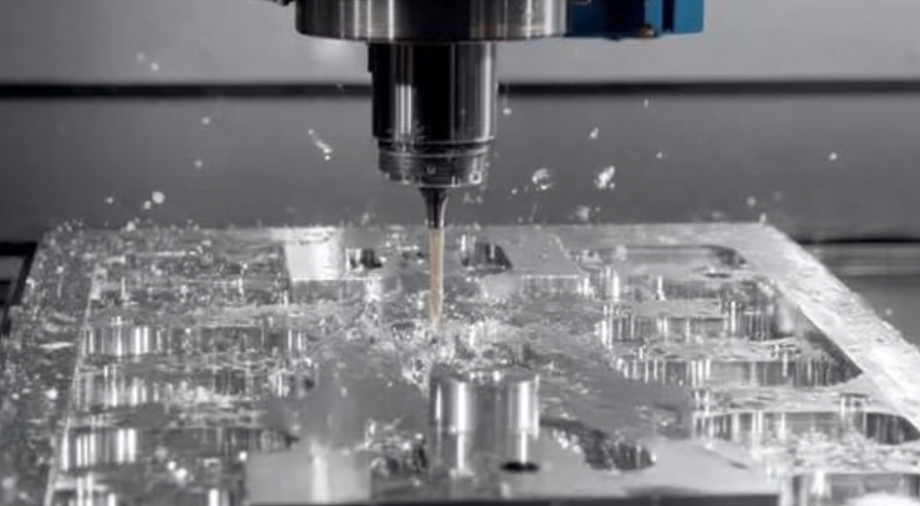
CNC milling can work with a wide variety of materials, including metals (such as aluminum, steel, and titanium), plastics (like acrylic and nylon), wood, and composites. The choice of material depends on the specific application and desired properties of the final product.
CNC milling involves the use of a rotating cutting tool to remove material from a stationary workpiece, allowing for complex shapes and features. In contrast, CNC turning involves rotating the workpiece against a stationary cutting tool, primarily used for producing cylindrical parts. Each method is suited for different types of geometries and applications.
CNC milling is widely used in various industries, including aerospace, automotive, medical, electronics, defense, energy, and consumer products. Each industry benefits from the precision and efficiency that CNC milling offers for producing high-quality components.
In the medical field, CNC milling is used to manufacture surgical instruments, orthopedic implants, dental devices, and custom prosthetics. The technology allows for high precision and the ability to create complex shapes tailored to individual patient needs.
CNC milling improves production efficiency by enabling high-speed machining, reducing manual labor, and minimizing human error. The ability to quickly produce prototypes and replicate designs consistently allows manufacturers to respond rapidly to market demands and reduce lead times.


