
Views: 239 Author: ANEBON Publish Time: 2025-09-30 Origin: Site


Content Menu
>> The Advantages of CNC Machining
>> Benefits to the Aerospace Sector
>> Benefits to the Automotive Sector
>> Benefits to the Medical Sector
>> Applications in Electronics
>> Benefits to the Electronics Sector
>> Benefits to the Defense Sector
>> Benefits to the Energy Sector
>> Applications in Construction
>> Benefits to the Construction Sector
● Future Trends in CNC Machining
>> Industry 4.0
>> Customization and Personalization
● Frequently Asked and Questions regarding CNC Machining
>> 2. What materials can be used in CNC machining?
>> 3. How does CNC machining improve production efficiency?
>> 4. What industries commonly use CNC machining?
>> 5. What are the future trends in CNC machining?
CNC machining, or Computer Numerical Control machining, has revolutionized the manufacturing landscape by providing precision, efficiency, and versatility. This technology utilizes computer-controlled machines to create complex parts and components from various materials. As industries continue to evolve, the demand for CNC machining has surged, making it a critical component in numerous sectors. This article explores the industries that benefit the most from CNC machining, highlighting its applications, advantages, and future potential.
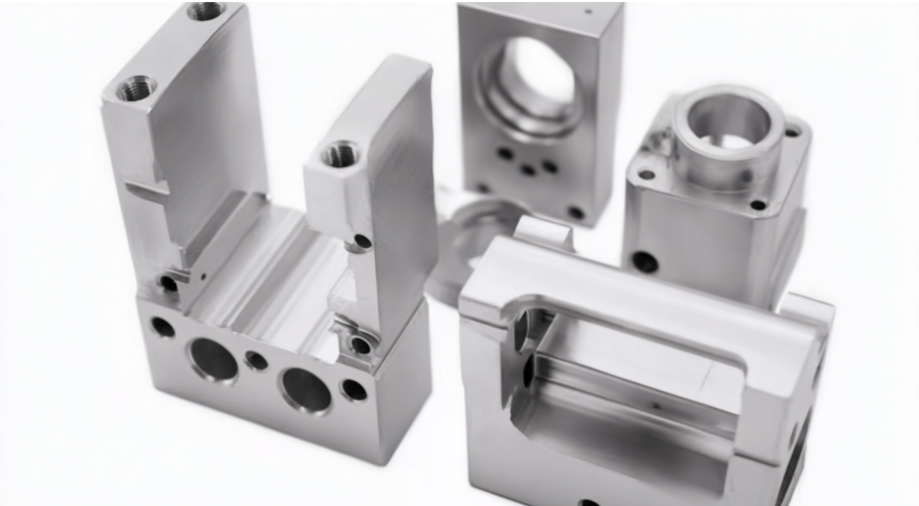
CNC machining involves the use of computer software to control machine tools, such as lathes, mills, and routers. The process begins with a digital design, often created using CAD (Computer-Aided Design) software. This design is then translated into a CNC program, which directs the machine on how to cut, shape, and finish the material. The precision of CNC machining allows for the production of intricate designs that would be challenging or impossible to achieve with traditional machining methods. This capability not only enhances the quality of the final product but also allows for greater creativity in design, enabling engineers and designers to push the boundaries of what is possible in manufacturing.
CNC machining offers several advantages that make it appealing to various industries. These include:
Precision and Accuracy: CNC machines can produce parts with extremely tight tolerances, ensuring that each component meets exact specifications. This level of precision is crucial in industries where even the slightest deviation can lead to significant issues, such as in aerospace or medical applications.
Consistency: Once a CNC program is established, it can produce identical parts repeatedly, reducing variability and enhancing quality control. This consistency is vital for manufacturers who need to maintain high standards across large production runs.
Efficiency: CNC machining can operate continuously, allowing for high-volume production without sacrificing quality. This efficiency translates to lower production costs and faster turnaround times, which are essential in today’s competitive market.
Flexibility: CNC machines can work with a wide range of materials, including metals, plastics, and composites, making them suitable for diverse applications. This flexibility allows manufacturers to adapt quickly to changing market demands and customer preferences.
Reduced Labor Costs: Automation reduces the need for manual labor, leading to lower production costs and increased safety in the workplace. By minimizing human error and the potential for workplace injuries, CNC machining contributes to a more efficient and safer manufacturing environment.
The aerospace industry is one of the most significant beneficiaries of CNC machining. The production of aircraft components requires the highest levels of precision and reliability, making CNC machining an ideal solution. The complexity of aerospace components, which often include intricate geometries and lightweight structures, necessitates advanced manufacturing techniques that CNC machining can provide.
CNC machining is used to manufacture various components, including engine parts, landing gear, and structural elements. The ability to create complex geometries and lightweight structures is crucial in aerospace applications, where performance and safety are paramount. For instance, components such as turbine blades and fuselage sections require not only precision but also the ability to withstand extreme conditions, including high temperatures and pressures.
The aerospace industry benefits from CNC machining through enhanced design capabilities, reduced lead times, and improved safety standards. The precision of CNC machining ensures that components fit together perfectly, which is essential for the performance of aircraft. Additionally, the ability to quickly produce prototypes allows for faster innovation and development cycles, enabling aerospace companies to bring new technologies to market more rapidly. This agility is particularly important in an industry where technological advancements can significantly impact competitiveness.
The automotive industry is another sector that heavily relies on CNC machining. From engine components to interior parts, CNC machining plays a vital role in the production of vehicles. The automotive sector demands high-quality components that can be produced efficiently and at scale, making CNC machining an essential part of the manufacturing process.
CNC machining is used to create a wide range of automotive parts, including engine blocks, transmission housings, and custom interior components. The technology allows for the production of lightweight and durable parts that meet stringent safety and performance standards. For example, the use of CNC machining in producing aluminum engine components helps reduce vehicle weight, improving fuel efficiency and performance.
The automotive industry benefits from CNC machining through improved efficiency and reduced production costs. The ability to produce high volumes of parts with consistent quality helps manufacturers meet market demands while maintaining profitability. Additionally, CNC machining enables the rapid prototyping of new designs, facilitating innovation in vehicle development. This capability is particularly valuable in an industry that is increasingly focused on electric and autonomous vehicles, where rapid iteration and testing of new designs are critical.
The medical industry has seen significant advancements due to CNC machining. The production of medical devices and equipment requires precision and reliability, making CNC machining an essential technology. The ability to manufacture complex and customized components is particularly important in healthcare, where patient-specific solutions are increasingly in demand.
CNC machining is used to manufacture surgical instruments, implants, and prosthetics. The ability to create complex shapes and intricate designs is crucial in developing devices that meet the specific needs of patients and healthcare providers. For instance, custom implants can be designed to fit the unique anatomy of individual patients, improving surgical outcomes and patient satisfaction.
The medical industry benefits from CNC machining through enhanced product quality and safety. The precision of CNC machining ensures that medical devices function correctly and meet regulatory standards. Additionally, the ability to produce custom parts allows for personalized medical solutions, improving patient outcomes. As the demand for personalized medicine continues to grow, CNC machining will play an increasingly important role in the development of innovative medical technologies.
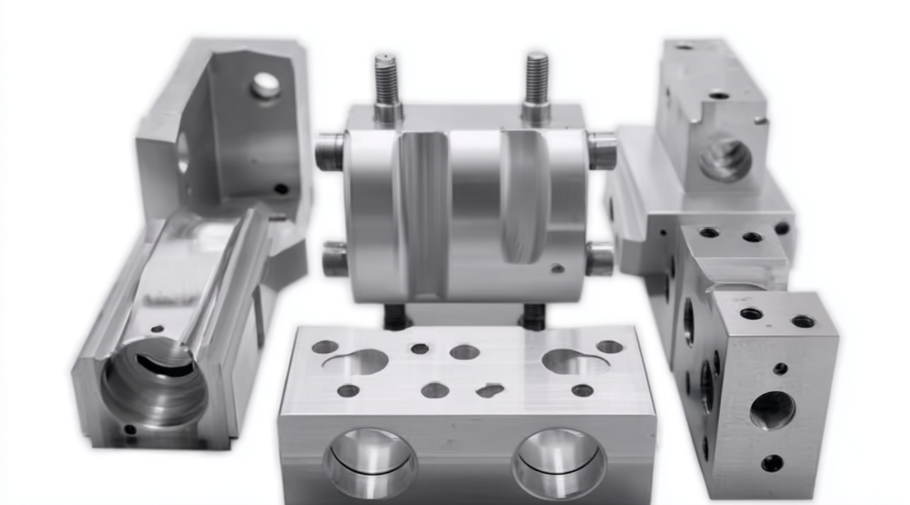
The electronics industry is another sector that benefits significantly from CNC machining. The production of electronic components requires precision and attention to detail, making CNC machining an ideal solution. As electronic devices become more complex and compact, the need for high-precision components has never been greater.
CNC machining is used to manufacture housings, circuit boards, and connectors. The technology allows for the production of intricate designs that are essential for modern electronic devices. For example, CNC machining can create complex circuit board layouts that optimize space and enhance performance, which is critical in today’s miniaturized electronic products.
The electronics industry benefits from CNC machining through improved production efficiency and reduced lead times. The ability to produce high volumes of components with consistent quality helps manufacturers meet the demands of a rapidly evolving market. Additionally, CNC machining enables the rapid prototyping of new designs, facilitating innovation in electronic products. This capability is particularly important in an industry characterized by fast-paced technological advancements and changing consumer preferences.
The defense industry relies heavily on CNC machining for the production of critical components used in military applications. The need for precision and reliability in defense equipment makes CNC machining an essential technology. As defense technologies evolve, the demand for advanced manufacturing techniques continues to grow.
CNC machining is used to manufacture weapon systems, vehicles, and communication equipment. The ability to create complex parts that meet stringent specifications is crucial in ensuring the effectiveness and safety of defense systems. For instance, CNC machining is used to produce components for drones and other advanced military technologies, where precision and reliability are paramount.
The defense industry benefits from CNC machining through enhanced product quality and reliability. The precision of CNC machining ensures that components function correctly under extreme conditions, which is essential for military applications. Additionally, the ability to produce custom parts allows for the development of specialized equipment tailored to specific missions. This adaptability is crucial in a field where requirements can change rapidly based on evolving threats and operational needs.
The energy sector, particularly renewable energy, has increasingly adopted CNC machining to produce components for various applications. The need for precision and durability in energy systems makes CNC machining a valuable asset. As the world shifts towards sustainable energy solutions, the role of CNC machining in this sector is becoming more prominent.
CNC machining is used to manufacture components for wind turbines, solar panels, and oil and gas equipment. The technology allows for the production of parts that can withstand harsh environmental conditions while maintaining performance. For example, CNC-machined components in wind turbines must be designed to endure high winds and corrosive environments, ensuring long-term reliability and efficiency.
The energy sector benefits from CNC machining through improved efficiency and reduced production costs. The ability to produce high-quality components quickly helps manufacturers meet the growing demand for renewable energy solutions. Additionally, CNC machining enables the rapid prototyping of new designs, facilitating innovation in energy technologies. As the energy landscape continues to evolve, CNC machining will play a crucial role in developing the next generation of energy solutions.
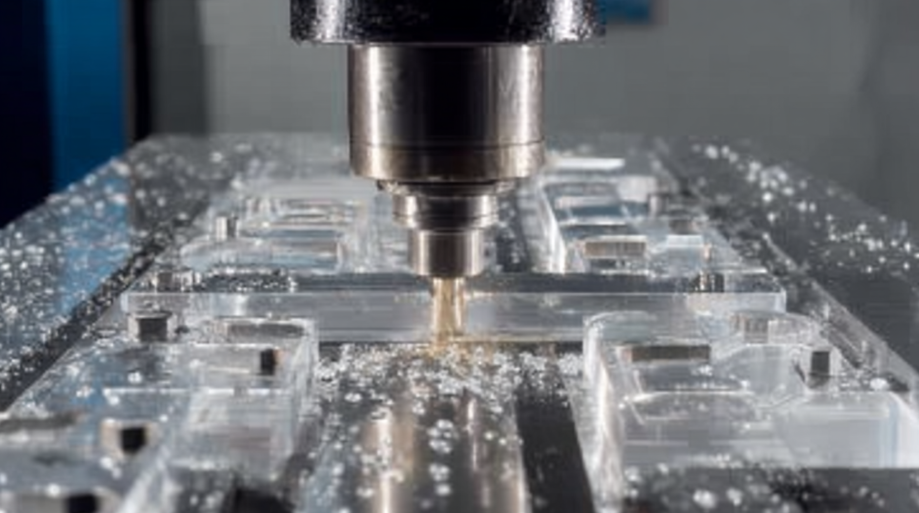
The construction industry has also embraced CNC machining for the production of various CNC machining components used in building projects. The need for precision and efficiency in construction makes CNC machining an attractive option. As construction projects become more complex, the demand for high-quality, custom components is increasing.
CNC machining is used to manufacture structural components, fixtures, and custom tools. The technology allows for the production of parts that meet specific design requirements, enhancing the overall quality of construction projects. For instance, CNC machining can create custom brackets and supports that fit precisely within architectural designs, ensuring structural integrity and aesthetic appeal.
The construction industry benefits from CNC machining through improved efficiency and reduced waste. The ability to produce high-quality components quickly helps contractors meet project deadlines while maintaining quality standards. Additionally, CNC machining enables the customization of parts, allowing for unique design solutions in construction projects. This capability is particularly valuable in an industry where client expectations for design and functionality are continually evolving.
As technology continues to advance, the future of CNC machining looks promising. Several trends are shaping the industry and expanding its applications across various sectors. Staying ahead of these trends will be crucial for manufacturers looking to maintain a competitive edge.
The integration of automation and robotics in CNC machining is expected to enhance efficiency and reduce labor costs further. Automated systems can operate continuously, allowing for high-volume production without sacrificing quality. This shift towards automation not only improves productivity but also allows skilled workers to focus on more complex tasks that require human oversight and creativity.
The development of advanced materials, such as composites and lightweight alloys, is expanding the capabilities of CNC machining. These materials offer improved performance and durability, making them ideal for various applications. As industries seek to enhance product performance while reducing weight, the ability to work with these advanced materials will become increasingly important.
The rise of Industry 4.0 is transforming the manufacturing landscape, and CNC machining is at the forefront of this revolution. The integration of IoT (Internet of Things) technology allows for real-time monitoring and data analysis, enhancing production efficiency and quality control. This connectivity enables manufacturers to optimize their processes, reduce downtime, and respond quickly to changing market demands.
The demand for customized and personalized products is driving innovation in CNC machining. The ability to produce unique designs quickly and efficiently is becoming increasingly important in various industries, from consumer goods to medical devices. As consumers seek more tailored solutions, CNC machining will play a vital role in enabling manufacturers to meet these expectations.
CNC machining has become an indispensable technology across multiple industries, providing precision, efficiency, and versatility. From aerospace to healthcare, the benefits of CNC machining are evident in the quality and reliability of the products produced. As technology continues to evolve, the future of CNC machining looks bright, with new advancements and applications on the horizon. The continued integration of automation, advanced materials, and Industry 4.0 principles will further enhance the capabilities of CNC machining, ensuring its relevance in the ever-changing manufacturing landscape. As industries adapt to new challenges and opportunities, CNC machining will remain a cornerstone of modern manufacturing, driving innovation and efficiency across the board.
CNC machining, or Computer Numerical Control machining, is a manufacturing process that uses computer software to control machine tools. This technology allows for the precise cutting, shaping, and finishing of materials, enabling the production of complex parts and components with high accuracy.
CNC machining can work with a wide variety of materials, including metals (such as aluminum, steel, and titanium), plastics (like acrylic and nylon), and composites. The choice of material often depends on the specific application and the required properties of the final product.
CNC machining improves production efficiency by automating the manufacturing process, allowing for continuous operation without the need for manual intervention. This automation reduces production times, minimizes human error, and ensures consistent quality across large volumes of parts.
CNC machining is widely used in several industries, including aerospace, automotive, medical, electronics, defense, energy, and construction. Each of these sectors benefits from the precision and versatility that CNC machining offers for producing complex components.
Future trends in CNC machining include the integration of automation and robotics, advancements in multi-axis machining, the use of advanced materials, and the adoption of Industry 4.0 technologies. These trends aim to enhance efficiency, reduce costs, and improve the customization capabilities of CNC machining processes.


