
Views: 213 Author: ANEBON Publish Time: 2025-12-16 Origin: Site


Content Menu
● Understanding Aluminum Die Casting
>> Advantages of Aluminum Die Casting
● Industries That Utilize Aluminum Die Castings
● Frequently Asked and Questions regarding Aluminum Die Castings
>> 1. What are the latest advancements in aluminum die casting technology?
>> 4. What types of aluminum alloys are commonly used in die casting?
>> 5. What industries are expected to see growth in the use of aluminum die castings in the future?
ANEBON is a leading Chinese manufacturer with 15 years of experience in providing online CNC machining services. We specialize in a wide range of custom parts processing services, including die casting, 3D printing, sheet metal processing, CNC milling, and CNC turning. Our partners span the globe, with over 1,100 clients benefiting from our expertise. One of the key services we offer is aluminum die casting, which is widely utilized across various industries due to its unique properties and advantages.
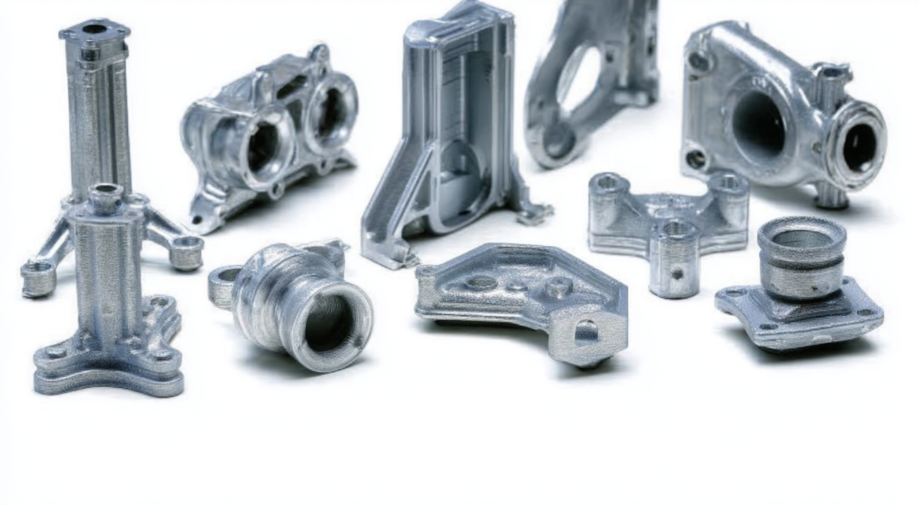
Aluminum die casting is a manufacturing process that involves injecting molten aluminum into a mold under high pressure. This technique allows for the production of complex shapes with high precision and excellent surface finish. The resulting components are lightweight, durable, and resistant to corrosion, making them ideal for a variety of applications. The die casting process not only enhances the mechanical properties of aluminum but also allows for intricate designs that would be difficult or impossible to achieve with other manufacturing methods. This capability is particularly valuable in industries where both aesthetics and functionality are critical.
The benefits of aluminum die casting include:
Lightweight: Aluminum is significantly lighter than other metals, which is crucial for industries like automotive and aerospace where weight reduction is essential for performance and fuel efficiency. The lightweight nature of aluminum components contributes to lower transportation costs and improved energy efficiency in end products.
Strength: Aluminum die castings exhibit high strength-to-weight ratios, making them suitable for structural applications. This strength is particularly important in applications where components must withstand high stress and load conditions without deforming or failing.
Corrosion Resistance: Aluminum naturally forms a protective oxide layer, enhancing its resistance to corrosion, which is vital for components exposed to harsh environments. This property extends the lifespan of products and reduces maintenance costs, making aluminum an economical choice in the long run.
Thermal and Electrical Conductivity: Aluminum's excellent thermal and electrical conductivity makes it ideal for applications in electronics and heat dissipation. This characteristic is essential for components that require efficient heat management, such as heat sinks in electronic devices, ensuring reliable performance and longevity.
The automotive industry is the largest consumer of aluminum die castings. Components such as engine blocks, transmission housings, and structural parts are commonly produced using this method. For instance, companies like Ford Motor Company and General Motors rely on aluminum die castings to manufacture lightweight and fuel-efficient vehicles. The use of aluminum helps reduce overall vehicle weight, improving fuel efficiency and meeting stringent emissions standards. Additionally, the ability to produce complex geometries allows for innovative designs that enhance vehicle performance and safety features.
In the aerospace sector, aluminum die castings are used for various components, including structural parts and housings for electronic systems. Companies like Boeing and Airbus utilize aluminum die castings for their lightweight and durable properties, which are essential for aircraft performance and safety. The aerospace industry demands high precision and reliability, making aluminum die casting an ideal choice for critical components. Furthermore, the reduction in weight achieved through aluminum die casting contributes to fuel savings and lower operational costs for airlines, making it a preferred material in modern aircraft design.
The electronics industry also benefits significantly from aluminum die castings. Components such as housings for electronic devices, heat sinks, and connectors are commonly produced using this method. Companies like Apple and Samsung use aluminum die castings to create lightweight and aesthetically pleasing products that also provide excellent thermal management. The ability to produce intricate designs with high precision allows for the integration of advanced features in electronic devices, enhancing user experience and functionality.
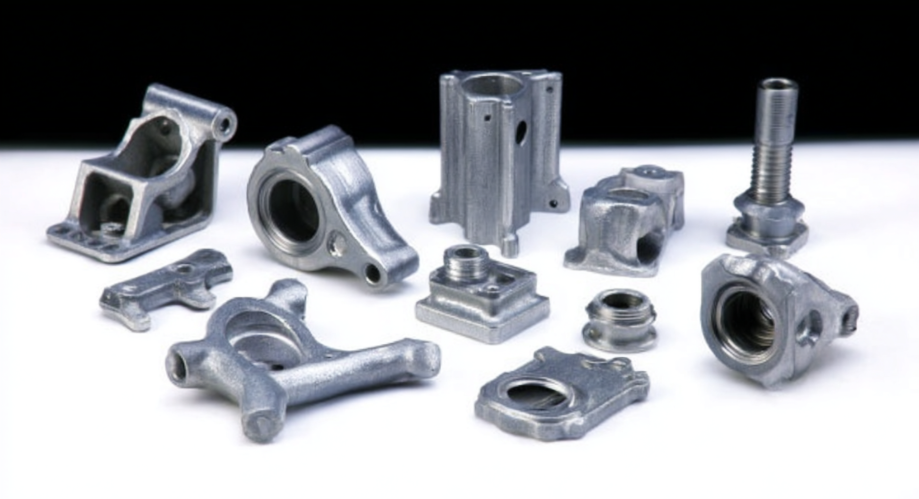
Aluminum die castings are increasingly used in the medical device industry for manufacturing durable and lightweight components. For example, companies like Medtronic and Boston Scientific utilize aluminum die castings for parts in diagnostic systems and surgical instruments. The biocompatibility and precision of aluminum castings ensure reliability in sensitive medical applications. Moreover, the lightweight nature of these components improves the usability of medical devices, making them easier to handle and operate in clinical settings.
In the consumer goods sector, aluminum die castings are used to produce a variety of products, including kitchen appliances, tools, and decorative items. Companies like Whirlpool and Bosch leverage aluminum die casting to create high-quality, durable products that meet consumer demands for performance and aesthetics. The versatility of aluminum allows for innovative designs that appeal to modern consumers, while its durability ensures that products withstand everyday use.
Aluminum die castings are also prevalent in the industrial machinery sector. Components such as housings, brackets, and gears are manufactured using this technique. Companies like Caterpillar and Siemens utilize aluminum die castings to produce robust and reliable machinery that can withstand demanding operational conditions. The strength and lightweight nature of aluminum components contribute to improved efficiency and performance in industrial applications, making them a preferred choice for manufacturers.
The telecommunications industry relies on aluminum die castings for various components, including enclosures for communication devices and infrastructure. Companies like Cisco and Nokia use aluminum die castings to ensure their products are lightweight yet durable, providing the necessary protection for sensitive electronic components. The ability to produce complex shapes and designs allows for the integration of advanced technologies in telecommunications equipment, enhancing connectivity and performance.
Aluminum die casting is a versatile manufacturing process that serves a wide range of industries, including automotive, aerospace, electronics, medical devices, consumer goods, industrial machinery, and telecommunications. The unique properties of aluminum, such as its lightweight nature, strength, corrosion resistance, and excellent thermal and electrical conductivity, make it an ideal choice for producing high-quality components. ANEBON, with its extensive experience and commitment to quality, is well-positioned to meet the growing demand for aluminum die castings across these industries. As we continue to innovate and expand our capabilities, we look forward to supporting our partners with superior manufacturing solutions that meet their evolving needs.
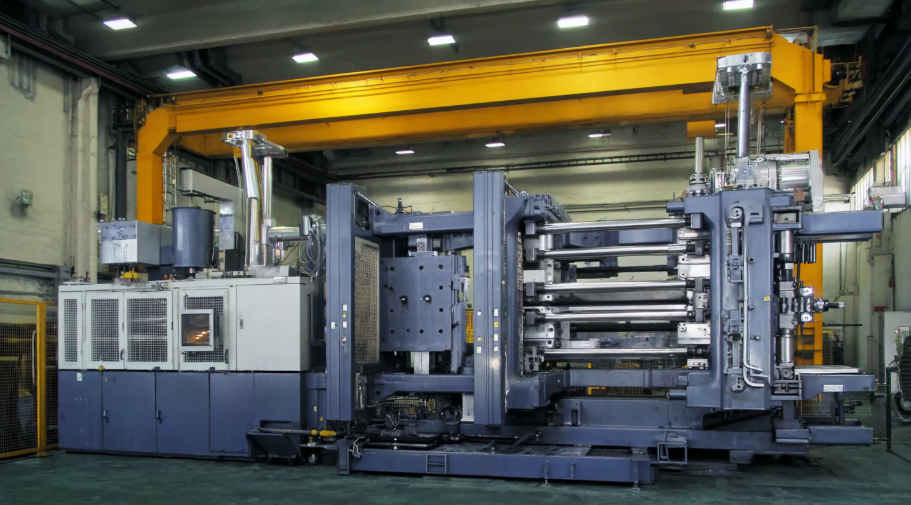
Recent advancements in aluminum die casting technology include the development of high-pressure die casting machines that enhance precision and reduce cycle times. Innovations such as robotic automation and advanced mold materials have improved production efficiency and component quality. Additionally, the integration of simulation software allows manufacturers to predict and optimize the casting process, reducing defects and waste.
Aluminum die casting is generally more cost-effective for high-volume production compared to other metal casting processes like sand casting or investment casting. It offers superior dimensional accuracy and surface finish, which reduces the need for secondary machining. However, the initial setup costs for die casting molds can be higher, making it more suitable for large production runs.
Environmental considerations include energy consumption during the melting and casting processes, as well as the management of aluminum scrap. Manufacturers are addressing these issues by implementing energy-efficient practices, such as using renewable energy sources and optimizing furnace operations. Additionally, recycling aluminum scrap is a common practice, significantly reducing the environmental impact of aluminum die casting.
Common aluminum alloys used in die casting include A380, A383, and A356. These alloys are favored for their excellent fluidity, strength, and corrosion resistance. Each alloy has specific properties that make it suitable for different applications, such as automotive parts, aerospace components, and consumer electronics.
Industries such as electric vehicles, renewable energy, and consumer electronics are expected to see significant growth in the use of aluminum die castings. The push for lightweight materials to improve energy efficiency and performance in electric vehicles, along with the demand for high-performance components in electronics, will drive the expansion of aluminum die casting applications in these sectors.


