


Content Menu
● Understanding Metal Stamping
>> Definition of Metal Stamping
● Applications of Metal Stamping
● Advantages of Metal Stamping
● Techniques in Metal Stamping
>> Deep Drawing
>> Blanking
>> Bending
● Quality Control in Metal Stamping
>> Importance of Quality Control
● Future Trends in Metal Stamping
>> Automation and Industry 4.0
>> Customization and Flexibility
● Frequently Asked and Questions regarding Metal Stamping
>> 1. What materials are commonly used in metal stamping?
>> 2. How does metal stamping differ from CNC machining?
>> 3. What are the key factors to consider when designing a part for metal stamping?
>> 4. What is the role of dies in the metal stamping process?
>> 5. What are some common applications of metal stamping in everyday products?
Metal stamping is a manufacturing process that involves the use of dies and stamping presses to convert flat metal sheets into specific shapes. This process is widely used in various industries, including automotive, aerospace, electronics, and consumer goods. ANEBON, a leading Chinese CNC online machining service provider with 15 years of experience, specializes in offering a wide range of custom parts processing services, including metal stamping. This article will explore the intricacies of metal stamping, its applications, advantages, and the various techniques involved.
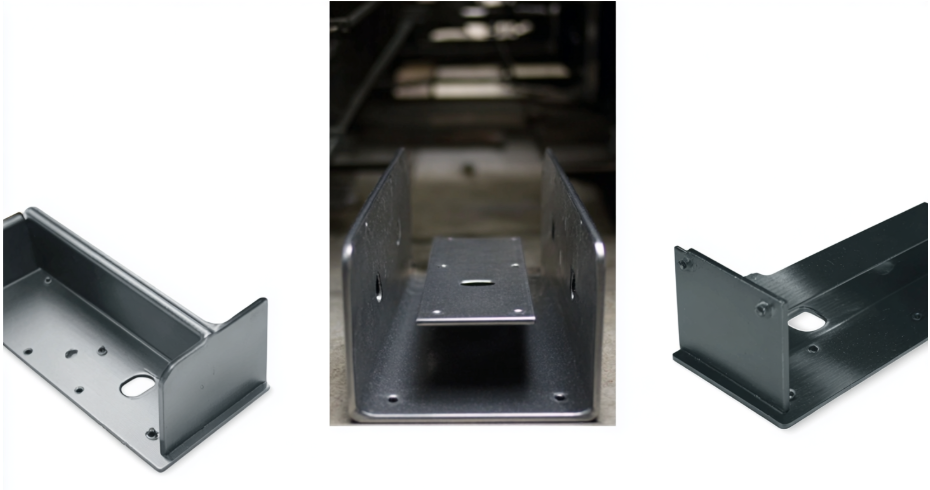
Metal stamping is a process that involves shaping metal sheets into desired forms using a combination of force and dies. The process can include various operations such as punching, bending, and embossing. The primary goal of metal stamping is to create precise and consistent parts that meet specific design requirements. This method is particularly advantageous for producing high volumes of parts with tight tolerances, making it a preferred choice in industries where precision is paramount. The ability to produce complex geometries and intricate designs further enhances the versatility of metal stamping, allowing manufacturers to meet diverse customer needs.
The metal stamping process typically begins with the design of the part to be manufactured. Engineers create detailed drawings and specifications that outline the dimensions, tolerances, and material requirements. Once the design is finalized, the next step involves creating the stamping dies, which are specialized tools used to cut and shape the metal. The design of these dies is critical, as they must be engineered to withstand the forces applied during stamping while ensuring the desired shape and finish of the final product.
The metal sheets are then fed into a stamping press, where the dies are used to apply force to the metal, shaping it into the desired form. This process can be performed in a single operation or through multiple stages, depending on the complexity of the part being produced. The efficiency of the stamping press, combined with the precision of the dies, allows for rapid production cycles, making it possible to produce thousands of parts in a short period.
One of the most significant applications of metal stamping is in the automotive industry. Companies like Ford Motor Company and General Motors rely heavily on metal stamping to produce various components, including body panels, brackets, and structural parts. The precision and efficiency of metal stamping make it an ideal choice for manufacturing high-quality automotive parts. In this sector, stamped parts must not only meet aesthetic standards but also adhere to strict safety regulations, which further emphasizes the importance of precision in the stamping process.
The electronics industry also benefits from metal stamping, particularly in the production of components such as connectors, housings, and heat sinks. Companies like Apple and Samsung utilize metal stamping to create intricate parts that require high precision and reliability. The ability to produce complex shapes and designs is crucial in the fast-paced electronics market, where innovation and rapid prototyping are essential. Metal stamping allows for the quick turnaround of prototypes, enabling companies to bring new products to market faster while maintaining high quality.
In the aerospace sector, metal stamping is used to manufacture components that must withstand extreme conditions. Companies like Boeing and Airbus use metal stamping to produce parts such as brackets, frames, and other structural components. The lightweight and durable nature of stamped metal parts is essential for ensuring the safety and performance of aircraft. Additionally, the aerospace industry often requires parts to be manufactured from specialized materials that can endure high temperatures and stresses, making the precision of the stamping process even more critical.
Metal stamping is also prevalent in the production of consumer goods. Companies like Procter & Gamble and Unilever use metal stamping to create packaging components, closures, and other parts for their products. The versatility of metal stamping allows for the production of a wide range of items, from simple containers to complex assemblies. In this sector, the aesthetic appeal of stamped parts can significantly influence consumer perception, making it essential for manufacturers to focus on both functionality and design.
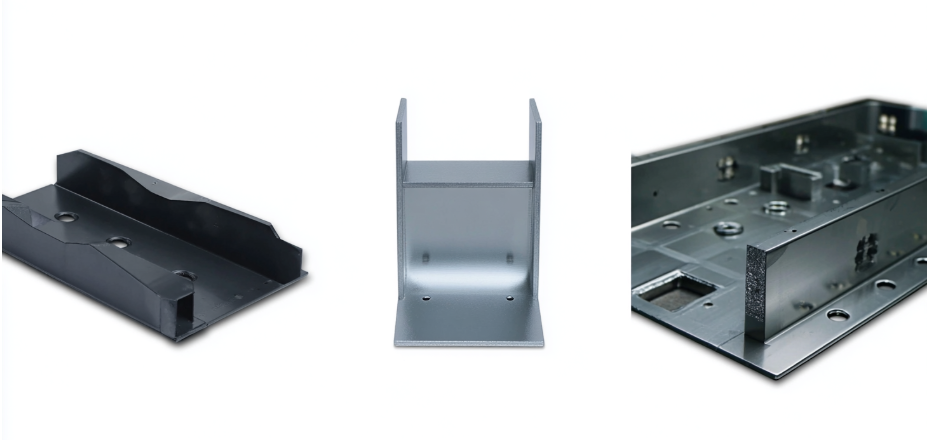
One of the primary advantages of metal stamping is its cost-effectiveness. The process allows for high-volume production, which reduces the cost per unit. Additionally, the use of automated stamping presses minimizes labor costs and increases efficiency. This cost advantage is particularly beneficial for manufacturers looking to scale production without compromising quality. The initial investment in tooling and dies can be substantial, but the long-term savings achieved through efficient production often justify this expense.
Metal stamping offers exceptional precision and consistency in the production of parts. The use of dies ensures that each part is manufactured to the same specifications, reducing the likelihood of defects. This level of accuracy is crucial in industries where tolerances are tight, such as aerospace and automotive. Furthermore, the repeatability of the stamping process means that manufacturers can produce large quantities of parts with minimal variation, which is essential for maintaining quality standards and meeting customer expectations.
Metal stamping can be performed on a variety of materials, including steel, aluminum, brass, and copper. This versatility allows manufacturers to choose the best material for their specific application, ensuring optimal performance and durability. Different materials can impart unique properties to the finished parts, such as corrosion resistance or enhanced strength, making it possible to tailor products to meet specific requirements. The ability to work with various materials also opens up opportunities for innovation in product design.
The speed of production is another significant advantage of metal stamping. Once the dies are created, parts can be produced rapidly, making it an ideal choice for high-volume manufacturing. This efficiency is particularly beneficial in industries where time-to-market is critical. The quick turnaround times associated with metal stamping allow companies to respond swiftly to market demands and changes in consumer preferences, giving them a competitive edge.
Progressive die stamping is a technique that involves multiple operations performed in a single press. The metal sheet is fed through a series of dies, each performing a specific operation, such as cutting, bending, or forming. This method is highly efficient and is commonly used for producing complex parts in high volumes. The ability to perform multiple operations in one cycle not only saves time but also reduces the need for additional handling and processing, further streamlining the manufacturing process.
Deep drawing is a metal stamping technique used to create deep, hollow shapes from flat metal sheets. This process involves pulling the metal into a die cavity, resulting in a part with significant depth. Deep drawing is often used in the production of items such as cans, automotive parts, and kitchen sinks. The technique requires careful control of the material flow and die design to prevent defects such as wrinkling or tearing, making it a specialized skill within the metal stamping industry.
Blanking is a metal stamping operation that involves cutting out a flat shape from a sheet of metal. The cut-out piece, known as a blank, can then be further processed or used as a finished part. This technique is commonly used in the production of washers, brackets, and other flat components. The precision of the blanking process is crucial, as any inaccuracies can affect the subsequent operations and the overall quality of the final product.
Bending is a metal stamping process that involves deforming the metal sheet along a straight line to create an angle or curve. This technique is often used to produce brackets, frames, and other structural components. Bending can be performed using various methods, including air bending, bottoming, and coining. Each method has its advantages and is chosen based on the specific requirements of the part being produced, such as the desired angle and material thickness.
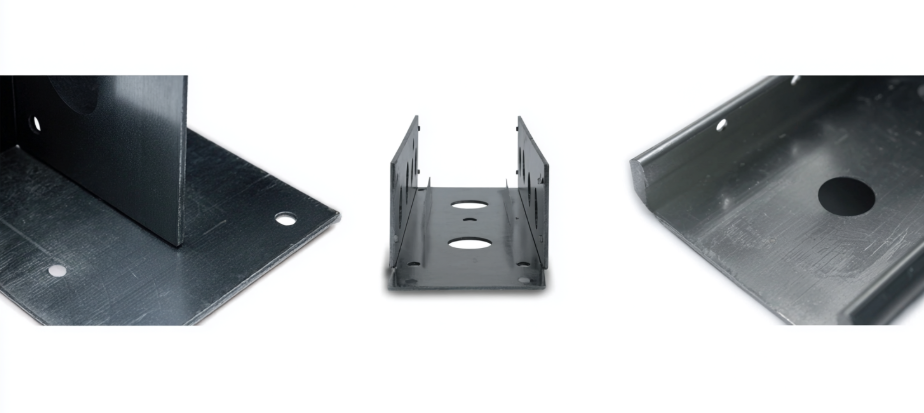
Quality control is a critical aspect of the metal stamping process. Ensuring that each part meets the required specifications is essential for maintaining the integrity of the final product. Companies like ANEBON implement rigorous quality control measures to guarantee that their stamped parts meet industry standards. This commitment to quality not only helps in reducing waste and rework but also enhances customer satisfaction and trust in the brand.
Various inspection techniques are employed in metal stamping to ensure quality. These can include visual inspections, dimensional measurements, and non-destructive testing methods. Advanced technologies such as laser scanning and computer-aided inspection systems are also used to enhance accuracy and efficiency. By integrating these technologies into the quality control process, manufacturers can quickly identify and address any issues, ensuring that only the highest quality parts are delivered to customers.
Continuous improvement is a fundamental principle in the metal stamping industry. Companies strive to enhance their processes, reduce waste, and improve product quality. This commitment to excellence is what sets leading manufacturers apart from their competitors. By fostering a culture of continuous improvement, organizations can adapt to changing market conditions and customer demands, ensuring long-term success and sustainability.
The future of metal stamping is closely tied to advancements in automation and Industry 4.0 technologies. The integration of smart manufacturing systems, robotics, and data analytics is expected to revolutionize the metal stamping process. Companies will be able to optimize production, reduce downtime, and enhance overall efficiency. This shift towards automation not only improves productivity but also allows for greater flexibility in production, enabling manufacturers to quickly adapt to new designs and specifications.
Sustainability is becoming increasingly important in the manufacturing sector. Metal stamping companies are exploring eco-friendly practices, such as reducing energy consumption, minimizing waste, and using recyclable materials. This shift towards sustainability is not only beneficial for the environment but also appeals to consumers who prioritize eco-conscious products. By adopting sustainable practices, manufacturers can enhance their brand reputation and meet the growing demand for environmentally friendly products.
As consumer demands continue to evolve, the need for customization and flexibility in metal stamping will grow. Manufacturers will need to adapt their processes to accommodate smaller production runs and unique designs. This trend will require innovative solutions and a willingness to embrace change. Companies that can offer customized solutions while maintaining efficiency will be well-positioned to thrive in the competitive landscape of metal stamping.
Metal stamping is a vital manufacturing process that plays a crucial role in various industries. With its cost-effectiveness, precision, and versatility, it is an ideal choice for producing high-quality parts. ANEBON, with its extensive experience in CNC online machining services, is well-positioned to meet the growing demands of the metal stamping market. As technology continues to advance, the future of metal stamping looks promising, with opportunities for innovation and sustainability at the forefront. By embracing these trends, manufacturers can ensure their relevance and success in an ever-changing marketplace.
Common materials used in metal stamping include steel, aluminum, brass, copper, and various alloys. Each material has unique properties that make it suitable for different applications, such as strength, weight, and corrosion resistance.
Metal stamping is primarily a high-volume production process that uses dies to shape metal sheets, while CNC machining is a subtractive manufacturing process that removes material from a solid block to create parts. Stamping is generally faster and more cost-effective for large quantities, whereas CNC machining offers greater flexibility for complex designs and lower production runs.
Key factors include material selection, part geometry, tolerances, and the type of stamping process to be used. Designers must also consider the capabilities of the stamping equipment and the need for secondary operations, such as finishing or assembly.
Dies are specialized tools used in metal stamping to cut, shape, and form the metal sheets. They are critical for achieving the desired part geometry and ensuring consistency across production runs. The design and maintenance of dies are essential for the efficiency and quality of the stamping process.
Metal stamping is used in a wide range of everyday products, including automotive parts (like brackets and body panels), electronic components (such as connectors and housings), kitchen appliances (like sinks and cookware), and packaging materials (such as cans and closures). Its versatility makes it integral to many industries.


