
Views: 203 Author: ANEBON Publish Time: 2025-11-19 Origin: Site


Content Menu
>>> Setup
>>> Machining
>>> Quality Control
>>> Finishing
>> Flexibility and Customization
>> Electronics
● Future Trends in CNC Turning
>> Integration of Automation and Robotics
>> Increased Use of Additive Manufacturing
● Frequently Asked and Questions regarding CNC Turning Manufacturing
>> 1. What are the latest advancements in CNC turning technology?
>> 2. How does CNC turning compare to other machining processes like milling?
>> 3. What are the best practices for maintaining CNC turning machines?
>> 4. What materials are commonly used in CNC turning?
>> 5. What industries benefit most from CNC turning?
In the modern manufacturing landscape, the transition to machinery has revolutionized production processes, enhancing efficiency, precision, and scalability. Among the various machining techniques, CNC turning stands out as a pivotal method that has transformed how manufacturers produce complex components. This article delves into the intricacies of CNC turning manufacturing, exploring its processes, advantages, applications, and future trends.
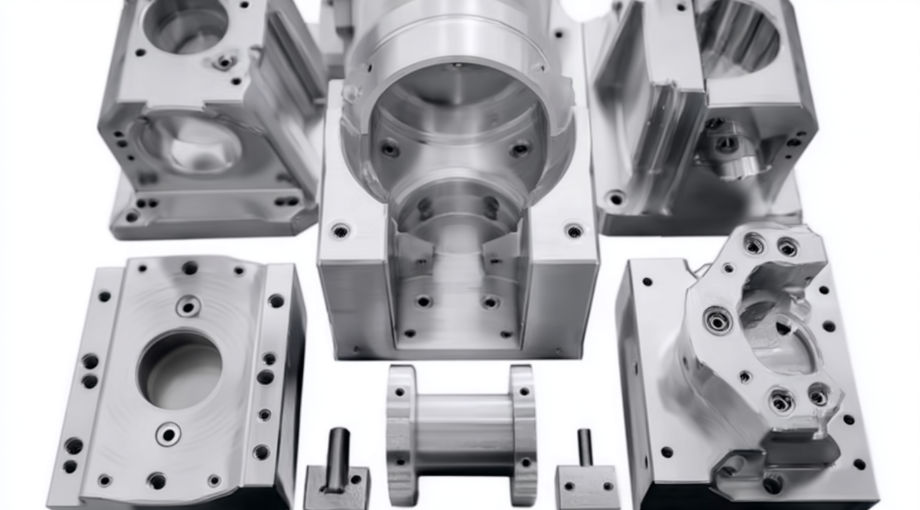
CNC turning is a subtractive manufacturing process that involves rotating a workpiece against a cutting tool to create cylindrical parts. The term "CNC" stands for Computer Numerical Control, which indicates that the machinery is operated through computer programming. This technology allows for high precision and repeatability, making it ideal for producing intricate designs and components. CNC turning is not just a method; it represents a paradigm shift in manufacturing, where traditional manual techniques are replaced by automated processes that significantly reduce human error and increase production speed.
At its core, CNC turning involves several key components: the lathe, the cutting tool, and the control system. The lathe is the primary machine tool that holds and rotates the workpiece. The cutting tool, which can be made from various materials such as carbide or high-speed steel, removes material from the workpiece to achieve the desired shape and dimensions. The control system, typically a computer, interprets the design specifications and directs the lathe's movements accordingly. This integration of hardware and software not only enhances the precision of the machining process but also allows for complex geometries that would be challenging to achieve with manual methods.
The CNC turning process can be broken down into several stages, each critical to achieving the final product. Each stage is designed to ensure that the final output meets the required specifications and quality standards.
The first step in CNC turning is the design of the part. Engineers use Computer-Aided Design (CAD) software to create a detailed model of the component. This model serves as a blueprint for the manufacturing process, allowing for visualization and modification before production begins. Once the design is finalized, it is converted into a format that the CNC machine can understand, typically using Computer-Aided Manufacturing (CAM) software. This programming phase is crucial as it dictates the tool paths, speeds, and feeds that the machine will follow during production. The ability to simulate the machining process in software before actual production can help identify potential issues, reducing the risk of errors and material waste.
After programming, the CNC lathe is set up for production. This involves securing the workpiece in the lathe's chuck and installing the appropriate cutting tools. The setup process also includes calibrating the machine to ensure that it operates within the specified tolerances. Proper setup is essential for achieving the desired accuracy and efficiency. Technicians must ensure that all components are aligned correctly and that the machine is configured to handle the specific material being processed. This attention to detail during setup can significantly impact the overall quality of the finished product.
With the machine set up, the actual machining process begins. The CNC lathe rotates the workpiece while the cutting tool moves along predetermined paths to remove material. This process can involve various operations, including facing, turning, drilling, and threading, depending on the complexity of the part being produced. The versatility of CNC turning allows manufacturers to create a wide range of components, from simple cylindrical shapes to intricate designs with multiple features. The ability to program different machining operations into a single run enhances productivity and reduces the need for multiple setups.
Quality control is an integral part of CNC turning manufacturing. Throughout the machining process, measurements are taken to ensure that the part meets the specified tolerances. Advanced CNC machines may include in-process measurement systems that automatically adjust the machining parameters to maintain quality. This real-time monitoring helps to catch any deviations from the desired specifications early in the process, minimizing waste and ensuring that only parts that meet quality standards proceed to the next stage. Implementing rigorous quality control measures not only enhances product reliability but also builds trust with customers who rely on precision-engineered components.
Once the machining is complete, the part may undergo finishing processes to enhance its surface quality. This can include polishing, coating, or additional machining operations to achieve the desired finish. Finishing is crucial in applications where surface integrity affects performance, such as in aerospace or medical devices. The finishing processes can also improve the aesthetic appeal of the components, which is increasingly important in consumer-facing products. Manufacturers often invest in advanced finishing technologies to ensure that their products not only function well but also meet the visual standards expected by customers.
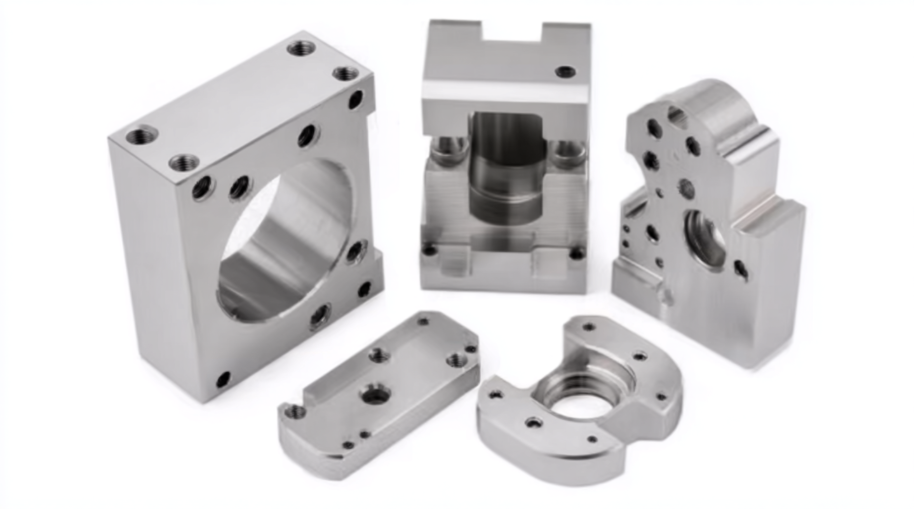
CNC turning offers numerous advantages over traditional machining methods, making it a preferred choice for many manufacturers. These benefits contribute to its widespread adoption across various industries.
One of the most significant benefits of CNC turning is its ability to produce highly precise components. The computer-controlled nature of the process minimizes human error, ensuring that each part is manufactured to exact specifications. This level of accuracy is particularly important in industries such as aerospace and medical devices, where even the slightest deviation can have serious consequences. The precision of CNC turning also allows for tighter tolerances, enabling the production of parts that fit together seamlessly, which is essential for complex assemblies.
CNC turning significantly reduces production time compared to manual machining. The automation of the process allows for continuous operation, enabling manufacturers to produce large quantities of parts in a shorter timeframe. Additionally, CNC machines can operate around the clock, further increasing productivity. This efficiency translates into lower production costs and faster turnaround times, which are critical in today’s fast-paced market. Manufacturers can respond more quickly to customer demands and reduce lead times, giving them a competitive edge.
CNC turning is highly adaptable, allowing manufacturers to produce a wide range of CNC turning parts with varying complexities. The ability to quickly change tooling and reprogram the machine means that manufacturers can easily switch between different projects without significant downtime. This flexibility is essential in today’s fast-paced market, where customization and rapid prototyping are increasingly in demand. Manufacturers can respond to specific customer requests and market trends, producing unique components that meet diverse needs.
While the initial investment in CNC machinery can be substantial, the long-term cost savings are significant. The efficiency and precision of CNC turning reduce material waste and labor costs, leading to lower overall production expenses. Furthermore, the ability to produce high-quality parts consistently can enhance customer satisfaction and reduce the costs associated with rework and returns. As manufacturers scale their operations, the cost per unit decreases, making CNC turning a financially viable option for both small and large production runs.
CNC turning is utilized across various industries, reflecting its versatility and effectiveness in producing complex components. Each application highlights the unique capabilities of CNC turning and its importance in modern manufacturing.
In the aerospace sector, CNC turning is employed to manufacture critical components such as turbine blades, landing gear parts, and structural elements. The high precision required in this industry makes CNC turning an ideal choice, as it ensures that components meet stringent safety and performance standards. The ability to produce lightweight yet strong parts is crucial in aerospace applications, where every gram counts. CNC turning allows for the creation of complex geometries that optimize performance while adhering to strict regulatory requirements.
The automotive industry relies heavily on CNC turning for producing engine components, transmission parts, and other critical elements. The ability to produce high volumes of parts with consistent quality is essential in this competitive market, where efficiency and reliability are paramount. CNC turning enables manufacturers to create intricate designs that enhance vehicle performance and safety. Additionally, the rapid prototyping capabilities of CNC turning allow automotive engineers to test new designs quickly, facilitating innovation in vehicle development.
CNC turning plays a crucial role in the production of medical devices, including surgical instruments, implants, and diagnostic equipment. The precision and customization capabilities of CNC turning allow manufacturers to create parts that meet the specific needs of healthcare professionals and patients. In the medical field, the reliability of components is vital, as they often play a critical role in patient outcomes. CNC turning ensures that these components are manufactured to the highest standards, contributing to the overall quality of medical devices.
In the electronics industry, CNC turning is used to produce housings, connectors, and other components that require intricate designs and precise dimensions. The ability to quickly adapt to new designs makes CNC turning a valuable asset in this rapidly evolving field. As electronic devices become smaller and more complex, the demand for precision-engineered components increases. CNC turning allows manufacturers to keep pace with technological advancements, producing parts that meet the evolving needs of the electronics market.
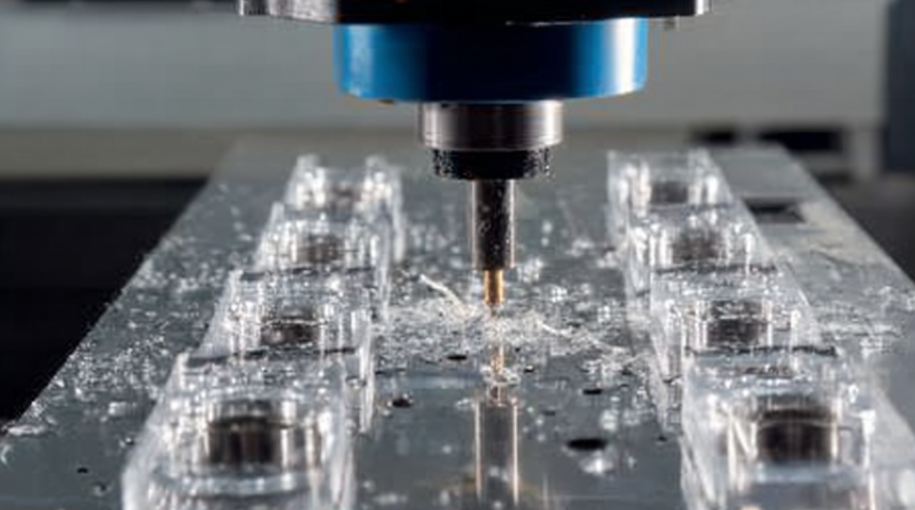
As technology continues to advance, the future of CNC turning manufacturing looks promising. Several trends are shaping the industry and influencing how manufacturers approach CNC turning. Staying ahead of these trends is essential for manufacturers looking to maintain a competitive edge.
The integration of automation and robotics into CNC turning processes is expected to increase significantly. Automated systems can handle material loading and unloading, reducing labor costs and improving efficiency. Additionally, robotic arms can assist in secondary operations, further streamlining the production process. This shift towards automation not only enhances productivity but also allows manufacturers to allocate human resources to more complex tasks that require critical thinking and problem-solving skills.
The development of more sophisticated CAD and CAM software is enhancing the capabilities of CNC turning. These advancements allow for more complex designs and improved simulation capabilities, enabling manufacturers to optimize their processes before actual production begins. Enhanced software tools can also facilitate better collaboration between design and manufacturing teams, ensuring that the transition from concept to production is seamless and efficient.
While CNC turning is a subtractive process, the rise of additive manufacturing is influencing its future. Hybrid machines that combine CNC turning with 3D printing capabilities are emerging, allowing manufacturers to create parts with complex geometries that were previously impossible to achieve. This convergence of technologies opens up new possibilities for innovation, enabling manufacturers to produce lightweight structures and intricate designs that enhance performance and reduce material usage.
As sustainability becomes a priority for many industries, CNC turning manufacturers are exploring ways to reduce waste and energy consumption. This includes optimizing machining parameters, recycling materials, and implementing energy-efficient practices in their operations. The push for sustainability not only helps manufacturers reduce their environmental impact but also appeals to consumers who are increasingly conscious of the ecological footprint of the products they purchase. By adopting sustainable practices, manufacturers can enhance their brand reputation and meet the growing demand for environmentally friendly products.
CNC turning manufacturing represents a significant advancement in the field of machining, offering unparalleled precision, efficiency, and flexibility. As industries continue to evolve, the adoption of CNC turning will likely expand, driven by technological advancements and the increasing demand for high-quality, customized components. By understanding the processes, advantages, and future trends of CNC turning, manufacturers can position themselves to thrive in an increasingly competitive landscape. Embracing these changes will not only enhance operational efficiency but also foster innovation, ensuring that manufacturers remain at the forefront of their industries.
Recent advancements in CNC turning technology include the integration of artificial intelligence for predictive maintenance, enhanced automation through robotics, and the development of hybrid machines that combine CNC turning with additive manufacturing. These innovations improve efficiency, reduce downtime, and allow for the production of more complex geometries.
CNC turning is primarily used for creating cylindrical parts by rotating the workpiece against a stationary cutting tool, while CNC milling involves moving the cutting tool against a stationary workpiece to create various shapes. Turning is generally faster for cylindrical components, whereas milling is more versatile for complex shapes and features.
Best practices for maintaining CNC turning machines include regular cleaning and lubrication, conducting routine inspections for wear and tear, calibrating the machine to ensure accuracy, and keeping software updated. Implementing a preventive maintenance schedule can help avoid costly breakdowns and extend the machine's lifespan.
Common materials used in CNC turning include metals such as aluminum, steel, brass, and titanium, as well as plastics like nylon and polycarbonate. The choice of material depends on the application requirements, including strength, weight, and corrosion resistance.
Industries that benefit significantly from CNC turning include aerospace, automotive, medical devices, electronics, and manufacturing. Each of these sectors requires high precision and reliability in their components, making CNC turning an essential process for producing critical parts.


