
Views: 243 Author: ANEBON Publish Time: 2025-09-30 Origin: Site


Content Menu
>> The Importance of Material Selection
● Common Materials for Small-Scale CNC Turning
>> Metals
>>> Aluminum
>>> Steel
>>> Brass
>> Plastics
>>> Acrylic
>>> Nylon
>>> Polycarbonate
>> Composites
>>> Carbon Fiber Reinforced Plastics
>>> Glass Fiber Reinforced Plastics
● Factors to Consider When Choosing Materials
>> Cost
● Frequently Asked and Questions regarding Small-scale CNC Turning
>> 1. What are the latest advancements in materials for CNC turning?
>> 2. How does material selection impact the cost-effectiveness of CNC turning projects?
>> 3. What are some innovative applications of composite materials in CNC turning?
>> 4. What factors should be considered when selecting a CNC turning tool?
>> 5. How can manufacturers ensure high-quality finishes in CNC turned parts?
Small-scale CNC turning has become increasingly popular in various industries, from prototyping to small batch production. The precision and efficiency of CNC (Computer Numerical Control) machines allow for intricate designs and high-quality finishes. However, the choice of material plays a crucial role in the success of any CNC turning project. This article explores the best materials suited for small-scale CNC turning, discussing their properties, advantages, and applications in greater detail.
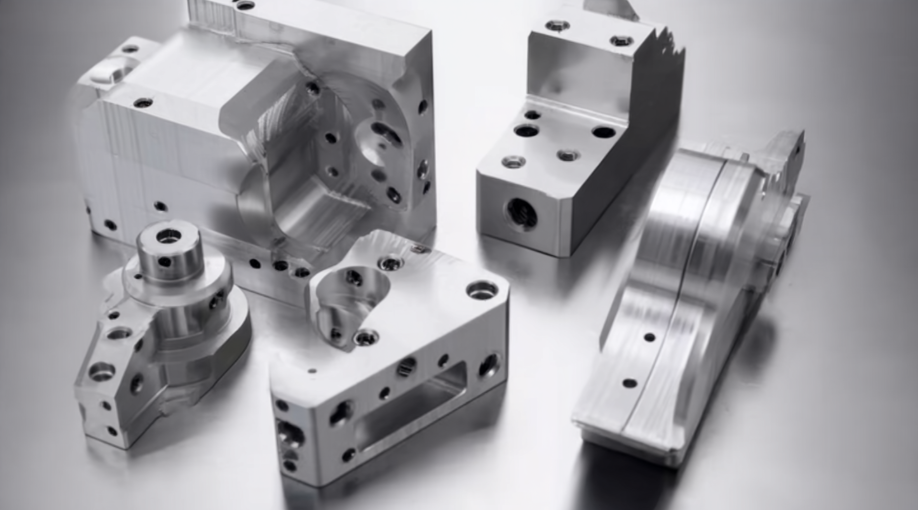
CNC turning is a manufacturing process that involves rotating a workpiece against a cutting tool to create cylindrical parts. The process is highly automated, allowing for consistent and repeatable results. CNC turning can be used on a variety of materials, including metals, plastics, and composites. The choice of material affects not only the machining process but also the final product's performance and durability. Understanding the fundamentals of CNC turning is essential for anyone looking to utilize this technology effectively. The process typically involves programming the CNC machine with specific parameters, including speed, feed rate, and tool selection, which are crucial for achieving the desired outcome.
Selecting the right material for CNC turning is essential for several reasons. The material's machinability, strength, and thermal properties can significantly influence the machining process and the quality of the finished product. Additionally, the intended application of the part will dictate the material choice, as different materials offer varying levels of performance in specific environments. For instance, materials that are too soft may wear out quickly, while those that are too hard may cause excessive tool wear. Therefore, a thorough understanding of the material properties and their implications on the machining process is vital for achieving optimal results.
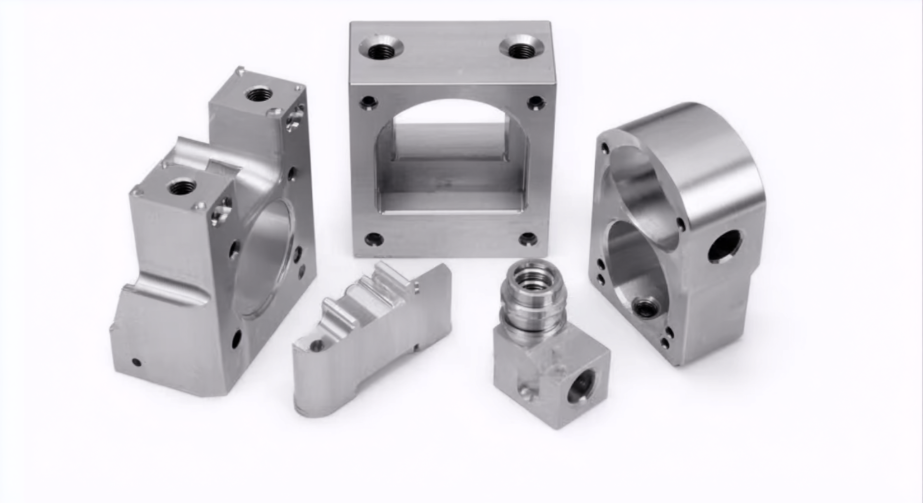
Metals are among the most commonly used materials in CNC turning due to their strength, durability, and versatility. Various types of metals can be used, each with unique properties that make them suitable for different applications. The choice of metal can also affect the machining parameters, such as cutting speed and tool selection, which are critical for achieving high-quality finishes.
Aluminum is a lightweight metal known for its excellent machinability and corrosion resistance. It is easy to cut and shape, making it ideal for small-scale CNC turning. Aluminum parts are often used in aerospace, automotive, and consumer electronics due to their strength-to-weight ratio and aesthetic appeal. The ability to anodize aluminum also allows for enhanced surface finishes and color options. Furthermore, aluminum's thermal conductivity makes it suitable for applications where heat dissipation is crucial, such as in electronic housings. Its recyclability also adds to its appeal, making it an environmentally friendly choice.
Steel is another popular choice for CNC turning, particularly for applications requiring high strength and toughness. Different grades of steel, such as stainless steel and carbon steel, offer varying properties. Stainless steel is known for its corrosion resistance, making it suitable for medical and food processing applications. Carbon steel, on the other hand, is often used for parts that require high wear resistance. The versatility of steel allows it to be used in a wide range of industries, from construction to manufacturing. Additionally, advancements in heat treatment processes have enhanced the performance characteristics of steel, making it an even more attractive option for CNC turning.
Brass is a copper-zinc alloy that is highly machinable and offers excellent corrosion resistance. It is often used in applications where electrical conductivity is essential, such as in electrical connectors and fittings. Brass parts can be polished to a high shine, making them aesthetically pleasing for decorative applications. The antimicrobial properties of brass also make it suitable for use in medical devices and fixtures. Moreover, brass's ability to withstand high temperatures and pressures makes it a reliable choice for plumbing and HVAC applications.
Plastics are increasingly being used in CNC turning due to their lightweight nature and versatility. They can be engineered to meet specific performance requirements, making them suitable for a wide range of applications. The advancements in plastic materials have expanded their use in industries that traditionally relied on metals, offering new possibilities for design and functionality.
Acrylic, also known as polymethyl methacrylate (PMMA), is a transparent thermoplastic that is often used as a lightweight alternative to glass. It is easy to machine and can be polished to achieve a clear finish. Acrylic is commonly used in signage, displays, and protective covers. Its UV resistance also makes it suitable for outdoor applications, where exposure to sunlight can degrade other materials. Additionally, acrylic can be easily colored or tinted, providing designers with a wide range of aesthetic options.
Nylon is a strong and flexible thermoplastic that offers excellent wear resistance and low friction properties. It is often used in applications requiring durability and impact resistance, such as gears, bearings, and bushings. Nylon can also be easily dyed, allowing for color customization in finished parts. Its chemical resistance makes it suitable for use in harsh environments, such as automotive and industrial applications. Furthermore, nylon's ability to absorb moisture can enhance its performance in specific applications, although this property must be considered during the design phase.
Polycarbonate is another durable thermoplastic known for its high impact resistance and optical clarity. It is often used in applications requiring transparency and strength, such as safety goggles and protective shields. CNC turning of polycarbonate can produce precise and intricate designs while maintaining the material's structural integrity. Its lightweight nature and resistance to shattering make it a preferred choice for safety equipment and protective barriers. Additionally, polycarbonate can be treated to enhance its scratch resistance, further extending its lifespan in demanding applications.
Composite materials combine two or more materials to achieve superior properties. They are increasingly being used in CNC turning for applications requiring lightweight and high-strength components. The unique characteristics of composites allow for innovative designs that can outperform traditional materials in specific applications.
Carbon fiber reinforced plastics (CFRP) are lightweight and strong materials that are often used in aerospace and automotive applications. The combination of carbon fiber and resin provides excellent stiffness and strength-to-weight ratios. CNC turning of CFRP requires specialized tooling due to the material's abrasive nature, but the results can yield high-performance components. The use of CFRP can significantly reduce the weight of components, leading to improved fuel efficiency in vehicles and aircraft. Additionally, the ability to tailor the fiber orientation during manufacturing allows for optimization of mechanical properties in specific directions.
Glass fiber reinforced plastics (GFRP) are another type of composite material that offers good strength and durability. They are often used in applications requiring resistance to chemicals and moisture. CNC turning of GFRP can produce intricate shapes and designs while maintaining the material's structural integrity. GFRP is commonly used in construction, automotive, and marine applications due to its lightweight nature and resistance to corrosion. The versatility of GFRP allows for the creation of complex geometries that would be challenging to achieve with traditional materials.
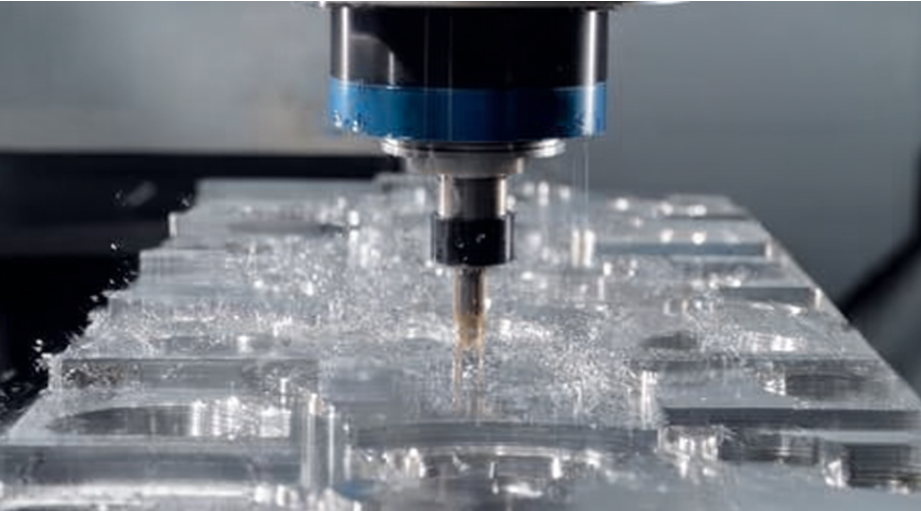
When selecting materials for small-scale CNC turning, several factors should be considered to ensure optimal results. Understanding these factors can help manufacturers make informed decisions that lead to high-quality products.
The machinability of a material refers to how easily it can be cut and shaped using CNC turning. Materials with high machinability can be processed quickly and efficiently, reducing production time and costs. It is essential to choose materials that are compatible with the capabilities of the CNC machine being used. Factors such as tool wear, cutting speed, and feed rate can all be influenced by the machinability of the material. Additionally, understanding the specific tooling requirements for different materials can help optimize the machining process and improve overall efficiency.
The intended application of the part will dictate the required strength and durability of the material. For example, CNC turning parts used in high-stress environments may require materials with high tensile strength and impact resistance. Understanding the performance requirements of the final product is crucial in selecting the appropriate material. Additionally, factors such as fatigue resistance and thermal stability should be considered, especially for components subjected to varying loads and temperatures. The right material choice can significantly enhance the longevity and reliability of the finished product.
Cost is always a consideration in manufacturing. While some materials may offer superior performance, they may also come with a higher price tag. It is essential to balance performance requirements with budget constraints when selecting materials for CNC turning. Evaluating the total cost of ownership, including machining costs, material waste, and potential rework, can provide a clearer picture of the overall financial impact. Additionally, considering the availability of materials and lead times can help manufacturers make more strategic decisions.
The desired surface finish of the final product can also influence material selection. Some materials, such as aluminum and brass, can achieve a high-quality finish with minimal effort, while others may require additional processing steps to achieve the desired appearance. The surface finish can affect not only the aesthetic appeal of the part but also its functionality, such as reducing friction in moving components. Understanding the finishing processes available for different materials can help manufacturers achieve the desired results while minimizing additional costs.
The choice of material is a critical factor in the success of small-scale CNC turning projects. Metals, plastics, and composites each offer unique properties that can enhance the performance and durability of the final product. By understanding the characteristics of different materials and considering factors such as machinability, strength, cost, and surface finish, manufacturers can make informed decisions that lead to high-quality results. As CNC technology continues to evolve, the range of materials available for small-scale turning will likely expand, offering even more possibilities for innovation and design. The future of CNC turning holds exciting potential, with advancements in material science paving the way for new applications and improved manufacturing processes.
Recent advancements in materials for CNC turning include the development of high-performance polymers, such as PEEK (Polyether Ether Ketone), which offers excellent thermal stability and chemical resistance. Additionally, advancements in composite materials, such as carbon fiber reinforced plastics, have improved strength-to-weight ratios, making them ideal for aerospace and automotive applications.
Material selection significantly impacts cost-effectiveness by influencing machining time, tool wear, and material waste. Choosing materials with high machinability can reduce production time and costs, while selecting durable materials can minimize rework and replacement expenses. Balancing performance requirements with budget constraints is essential for optimizing overall project costs.
Composite materials, such as carbon fiber reinforced plastics and glass fiber reinforced plastics, are increasingly used in applications like aerospace components, automotive parts, and sporting goods. Their lightweight and high-strength properties make them ideal for applications where weight reduction is critical without compromising performance.
When selecting a CNC turning tool, factors such as the material being machined, the desired surface finish, cutting speed, and feed rate should be considered. Tool geometry and coating can also affect performance, as they influence tool life and the quality of the finished part.
To ensure high-quality finishes in CNC turned parts, manufacturers should select appropriate materials with good surface finish characteristics, optimize machining parameters, and use the right tooling. Post-processing techniques, such as polishing or coating, can also enhance the final appearance and performance of the parts.


