
Views: 106 Author: Site Editor Publish Time: 2025-12-16 Origin: Site


Content Menu
● Common Sources of Waste in Daily Operations
● Starting with Design: Changes That Cut Waste Early
● Getting Nesting Right for Sheets and Plates
● Tuning Parameters on the Machine
● Tooling and Fixturing Choices That Matter
● Handling Coolant and Chips Better
● Wrapping It Up: Building a Leaner Operation
Scrap waste in CNC machining hits hard on costs. Material often makes up over half the expense of a finished part, and every chip pile or leftover offcut adds up fast. Shops dealing with aluminum, steel, or tougher alloys like titanium know this well—waste rates can climb quick if things aren't dialed in right. The good part is, targeted changes in design and machine setups can cut that waste down a lot, keeping more money in the operation.
Costs are rising for raw stock, and rules on sustainability are getting stricter. A shop turning out brackets or enclosures might see 15-25% of sheet material turn to scrap without good planning. Switch to better layouts, and that drops sharp. Same goes for bar stock jobs—start closer to final shape, and roughing waste shrinks. Real shops have cut scrap 10-20% just by tweaking how parts are designed or nested. In high-value work like aerospace or medical, where buy-to-fly ratios matter, getting waste low means big savings over a production run.
Waste comes from several spots. Overly generous stock allowances mean extra roughing passes. Toolpaths that cut air or overcut features pile on chips. Feeds and speeds not matched to the material cause tool breaks or bad finishes, leading to scrapped parts. Multiple setups for one part bring alignment issues and more trim waste. On the design side, features that force small tools or deep pockets drive up removal volume.
Shops running mills or lathes see this daily. Turning 4140 steel with poor chip control ends in stringy messes that wreck surfaces. Milling pockets in 7075 aluminum without enough radius leaves stress points and extra material to remove. Sheet work on lasers or routers leaves big skeletons if parts aren't packed tight.
Chips are part of subtractive work, but volume varies huge based on choices. Aggressive depths without good coolant make long chips that tangle and snap tools. In stainless turning, no chip breaker means nests that gouge the part.
Sheet nesting mistakes leave odd remnants hard to reuse. One fabricator cutting panels manually hit 28% waste; automated packing brought it under 12%.
Setup flips introduce errors. A part needing four ops might scrap 10-15% from misalignment. Moving to multi-axis cuts that in one hold.
Offcuts from bars add up in lathe work. Standard lengths mean end scraps if not planned.
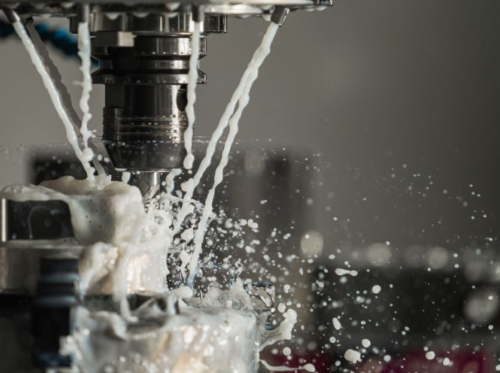
Best gains come before any chip flies—through smart part design. Apply manufacturability rules focused on waste.
Simplify geometry. Deep thin features need lots removed. One mold shop redesigned channels shallower, cut stock 18% and time less.
Consolidate parts. Machine as one piece instead of multiples assembled. An equipment builder combined covers and mounts, dropped material 22%.
Use near-net blanks. Castings or forgings close to shape slash roughing. Turbine parts from forgings hit 4:1 ratios versus 12:1 from bar.
Add radii where possible. Sharp corners need tiny tools, more passes. Aerospace frames with better radii saved 15% removal.
Standardize holes, threads, features. Allows batching, better stock use.
Nesting packs parts tight on material. Good software hits 85-95% utilization.
True-shape allows rotation and interlocking. Enclosure shop went from 20% scrap to 8%.
Common cuts share edges, less kerf loss.
Track remnants for later jobs. One operation saved 12% pulling leftovers.
For solids, tombstone fixtures load multiples per cycle.
Wood panel router shop with advanced nesting dropped waste from 24% to 9%, filling gaps with small parts.
Speeds, feeds, depths directly affect chips and defects.
Higher speeds with coolant break chips clean. HEM paths in nickel alloys cut forces, longer tools, less breaks.
MQL cuts fluid waste, better evacuation. Studies show 85% less lubricant, fewer distortions.
Adaptive paths adjust real-time, avoid overloads.
Hard turning stainless with optimized sets cut removal 18% for same outcome.
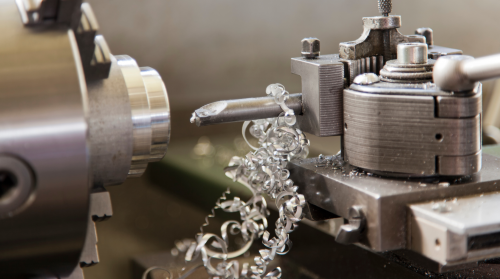
Long-life tools mean fewer swaps, less scrap from changes.
Zero-point systems speed setups 60%, cut error waste.
Through-coolant and conveyors stop recuts.
Gear work with better hold and lubrication dropped waste notable.
Filter coolant long-term, cut disposal.
Briquette chips, sell back metal. Shops recover 85-90% value.
One operation offset costs selling compacted swarf.
Auto supplier added lean flow and multi-axis, cut scrap 20% plus.
Blade maker optimized paths, lower impact.
Fabricators with heuristics saved 12-18% material.
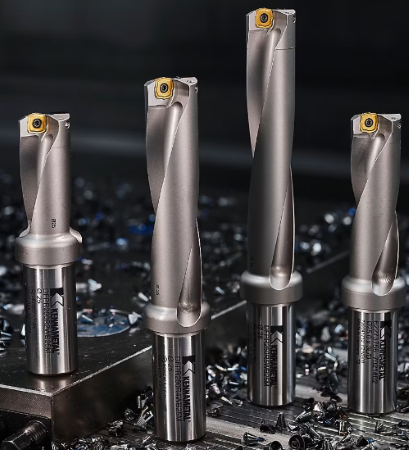
Tackling scrap in CNC means layered approaches—from design tweaks and nesting to parameter fine-tuning, solid tooling, and recycling. These steps lower waste, raise quality, trim costs, handle price hikes and rules.
Shops applying this see 20-35% less input for same output, fewer rejects, stronger margins. Begin with one problem part, test nesting or speeds, track gains. Build out.
Think whole process—design lean, setup tight, run clean. Profits improve, and it fits better practices.


