
Views: 228 Author: ANEBON Publish Time: 2025-12-10 Origin: Site


Content Menu
● Understanding Metal Stamping
>> The Process of Metal Stamping
>> Applications of Metal Stamping
● Other Methods of Processing Metal
>> Machining
>> Casting
>>> Types of Casting
>> Forging
● Frequently Asked and Questions regarding Metal Stamping
>> 1. What are the latest advancements in metal stamping technology?
>> 2. How does metal stamping compare to other metal forming processes in terms of cost and efficiency?
>> 3. What are some common defects in metal stamped parts and how can they be prevented?
>> 4. What types of materials are commonly used in metal stamping?
>> 5. What industries benefit the most from metal stamping?
ANEBON is a leading Chinese manufacturer with 15 years of experience in providing online CNC machining services. We offer a wide range of custom parts processing services, including die casting, 3D printing, sheet metal processing, CNC milling, and CNC turning. Our partners span the globe, with over 1,100 companies benefiting from our expertise. In this article, we will explore four primary methods of processing metal, with a particular focus on metal stamping, detailing its significance, applications, and advantages.
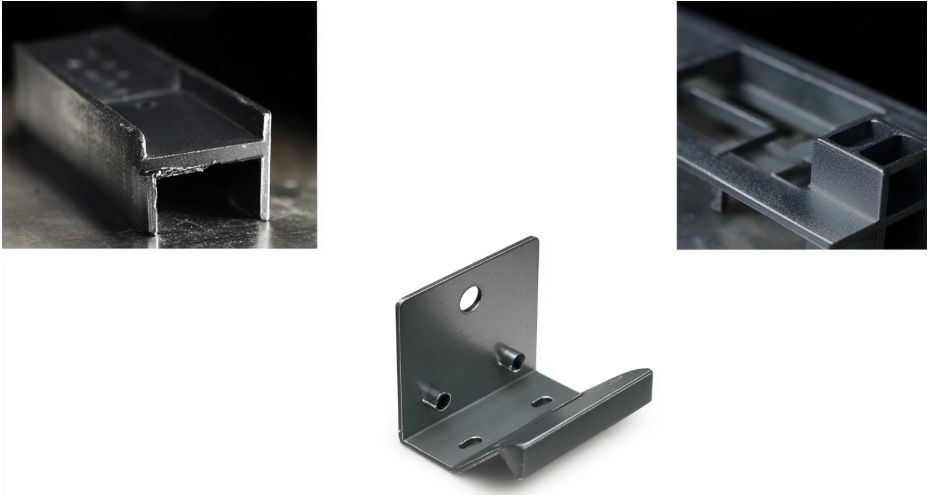
Metal stamping is a manufacturing process that involves the use of a die to shape and cut metal sheets into desired forms. This method is widely used in various industries due to its efficiency and precision. The process can produce complex shapes and designs, making it a preferred choice for many manufacturers. Metal stamping is not only about cutting metal; it also encompasses a variety of techniques that can create intricate designs and features, such as embossing and coining, which add functional and aesthetic value to the final product.
The metal stamping process typically involves several steps, including:
Material Selection: The first step is selecting the appropriate metal material, which can include steel, aluminum, brass, or other alloys. The choice of material depends on the final product's requirements, such as strength, weight, and corrosion resistance. For instance, aluminum is often chosen for its lightweight properties, making it ideal for automotive applications, while stainless steel is favored for its durability and resistance to corrosion in harsh environments.
Die Creation: A die is created based on the specifications of the desired part. This die is a critical component of the stamping process, as it determines the shape and dimensions of the final product. The die can be single-stage or multi-stage, depending on the complexity of the part. Advanced die design techniques, including computer-aided design (CAD) and computer-aided manufacturing (CAM), allow for greater precision and efficiency in die production, reducing lead times and costs.
Stamping Process: The metal sheet is placed in a stamping press, where the die is used to cut or shape the metal. This can be done through various techniques, including blanking, piercing, bending, and forming. The stamping press applies significant force to ensure precise shaping. Modern stamping presses are equipped with advanced controls and automation, which enhance production speed and consistency while minimizing human error.
Finishing: After stamping, the parts may undergo additional processes such as deburring, cleaning, and surface treatment to enhance their appearance and performance. Surface treatments, such as anodizing or powder coating, not only improve aesthetics but also provide additional protection against wear and corrosion, extending the lifespan of the components.
Metal stamping is utilized in a wide range of industries, including automotive, aerospace, electronics, and consumer goods. Some common applications include:
Automotive Parts: Companies like Ford and General Motors rely on metal stamping for producing components such as brackets, panels, and housings. These parts are essential for vehicle assembly and performance. The automotive industry benefits from metal stamping's ability to produce lightweight yet strong components, which contribute to fuel efficiency and safety.
Electronics: Manufacturers like Apple and Samsung use metal stamping to create intricate parts for devices such as smartphones and laptops. The precision of stamping ensures that components fit perfectly within the device. In the electronics sector, metal stamping is crucial for producing connectors, housings, and heat sinks, which are vital for the functionality and reliability of electronic devices.
Home Appliances: Companies like Whirlpool and GE utilize metal stamping for producing parts in appliances such as refrigerators, washing machines, and ovens. Stamped parts contribute to the overall functionality and design of these products. The ability to produce complex shapes and features through stamping allows manufacturers to create innovative designs that enhance user experience and energy efficiency.
While metal stamping is a significant method of processing metal, there are three other primary techniques worth exploring: machining, casting, and forging.
Machining is a subtractive manufacturing process that involves removing material from a workpiece to achieve the desired shape and size. This method includes various techniques such as turning, milling, drilling, and grinding.
Machining offers several benefits, including:
Precision: Machining can achieve tight tolerances and intricate designs, making it suitable for high-precision applications. This level of precision is essential in industries such as aerospace and medical devices, where even the slightest deviation can lead to significant issues.
Versatility: This method can be used on a wide range of materials, including metals, plastics, and composites. The versatility of machining allows manufacturers to adapt to different project requirements and material specifications.
Surface Finish: Machining can produce smooth surface finishes, which are often required in applications such as aerospace and medical devices. The ability to achieve high-quality surface finishes enhances the performance and aesthetic appeal of the final products.
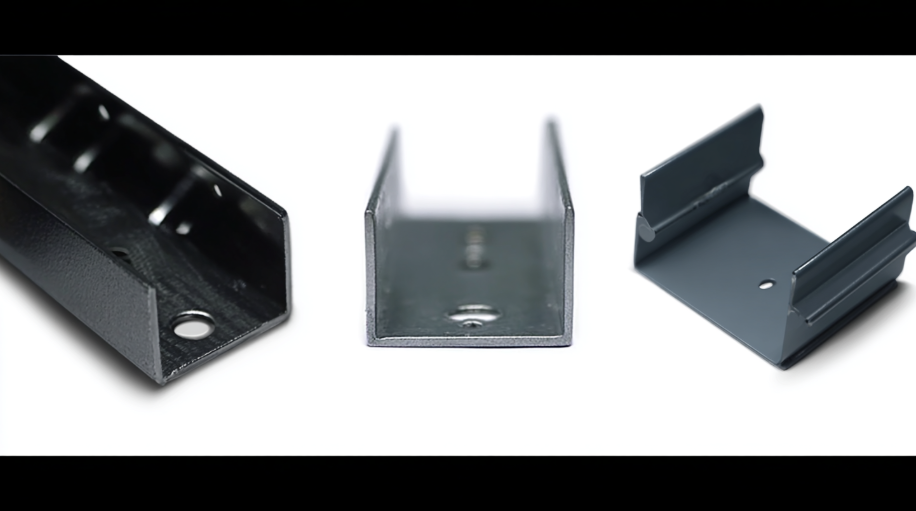
Casting is a manufacturing process where molten metal is poured into a mold to create a specific shape. This method is commonly used for producing complex parts that would be difficult to achieve through other means.
There are several types of casting processes, including:
Sand Casting: This is one of the most common casting methods, where sand is used to create the mold. It is suitable for producing large parts and is often used in the automotive industry. Sand casting is favored for its cost-effectiveness and ability to produce intricate designs.
Die Casting: In this process, molten metal is injected into a mold under high pressure. Die casting is ideal for producing small, precise parts and is widely used in the electronics and consumer goods industries. The high-pressure injection allows for excellent surface finishes and dimensional accuracy.
Investment Casting: Also known as lost-wax casting, this method involves creating a wax pattern that is coated in a ceramic shell. Once the shell hardens, the wax is melted away, and molten metal is poured into the mold. This technique is often used for producing intricate parts in aerospace and medical applications, where precision and detail are paramount.
Forging is a manufacturing process that involves shaping metal using compressive forces. This method can be performed hot or cold, depending on the material and desired properties.
Forging offers several advantages, including:
Strength: Forged parts typically have superior mechanical properties compared to cast or machined parts due to the alignment of the metal's grain structure. This results in components that can withstand higher stress and fatigue, making them ideal for critical applications.
Durability: Forged components are often more resistant to fatigue and wear, making them ideal for high-stress applications such as aerospace and automotive. The durability of forged parts contributes to the overall reliability and safety of the products they are used in.
Cost-Effectiveness: While the initial setup costs for forging can be high, the long-term benefits often outweigh these costs, especially for high-volume production. The efficiency of the forging process can lead to lower per-unit costs, making it an attractive option for manufacturers.
Metal stamping is a vital method of processing metal that offers numerous advantages, including precision, efficiency, and versatility. It plays a crucial role in various industries, from automotive to electronics. Alongside metal stamping, other methods such as machining, casting, and forging also contribute significantly to the manufacturing landscape.
At ANEBON, we are committed to providing high-quality CNC machining services, including metal stamping, to meet the diverse needs of our global partners. With our extensive experience and dedication to excellence, we continue to be a trusted source for custom parts processing. Our focus on innovation and quality ensures that we remain at the forefront of the manufacturing industry, ready to meet the challenges of tomorrow.
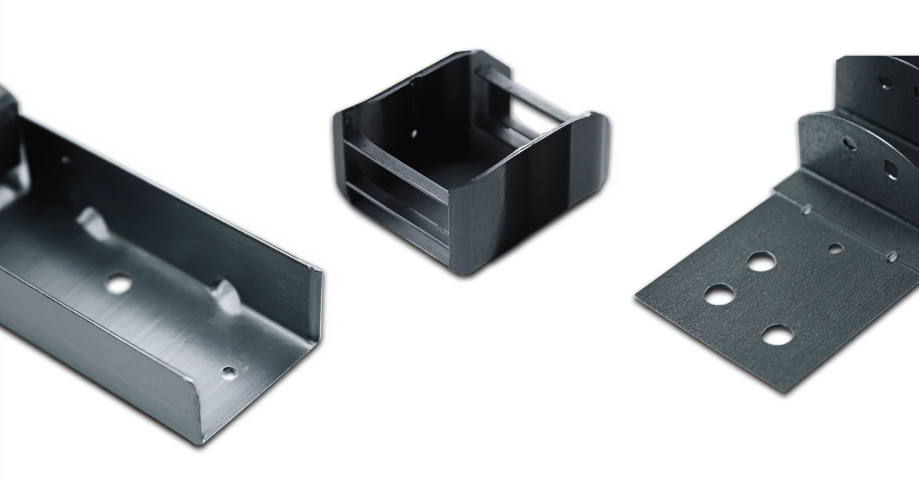
Recent advancements in metal stamping technology include the integration of automation and robotics, which enhance production efficiency and reduce labor costs. Additionally, the use of advanced materials and coatings has improved the durability and performance of stamped parts. Innovations in die design, such as progressive dies and quick-change systems, have also streamlined the stamping process, allowing for faster setup times and greater flexibility in production.
Metal stamping is often more cost-effective than other metal forming processes, especially for high-volume production runs. The initial setup costs for dies can be high, but the per-unit cost decreases significantly with increased production. In terms of efficiency, metal stamping can produce parts at a faster rate compared to machining and casting, making it ideal for industries that require large quantities of components.
Common defects in metal stamped parts include burrs, misalignment, and surface imperfections. To prevent these issues, manufacturers can implement quality control measures such as regular die maintenance, precise material handling, and thorough inspection processes. Additionally, using high-quality materials and optimizing the stamping parameters can help minimize defects.
Common materials used in metal stamping include various grades of steel (such as carbon steel and stainless steel), aluminum, brass, and copper. The choice of material depends on the specific application requirements, including strength, weight, corrosion resistance, and cost considerations. Each material offers unique properties that can enhance the performance of the final product.
Metal stamping is widely used across several industries, including automotive, aerospace, electronics, and consumer goods. The automotive industry relies on stamping for producing components like brackets and panels, while the electronics sector uses it for creating intricate parts for devices. Other industries, such as medical devices and home appliances, also benefit from the precision and efficiency of metal stamping processes.


